
How direct affiliate programs usually work
A direct or in-house affiliate program is managed by the company behind the product. Instead of joining a marketplace like CJ Affiliate, Impact, or ShareASale, the publisher applies through the brand’s own affiliate page, partner portal, or referral system.
That can be a good thing when the product is highly relevant to your audience. A direct program may offer clearer product context, closer support, better partner communication, or more flexible collaboration once your site starts sending qualified traffic. This is why many SaaS, ecommerce, and creator-tool programs run directly or through a branded partner portal.
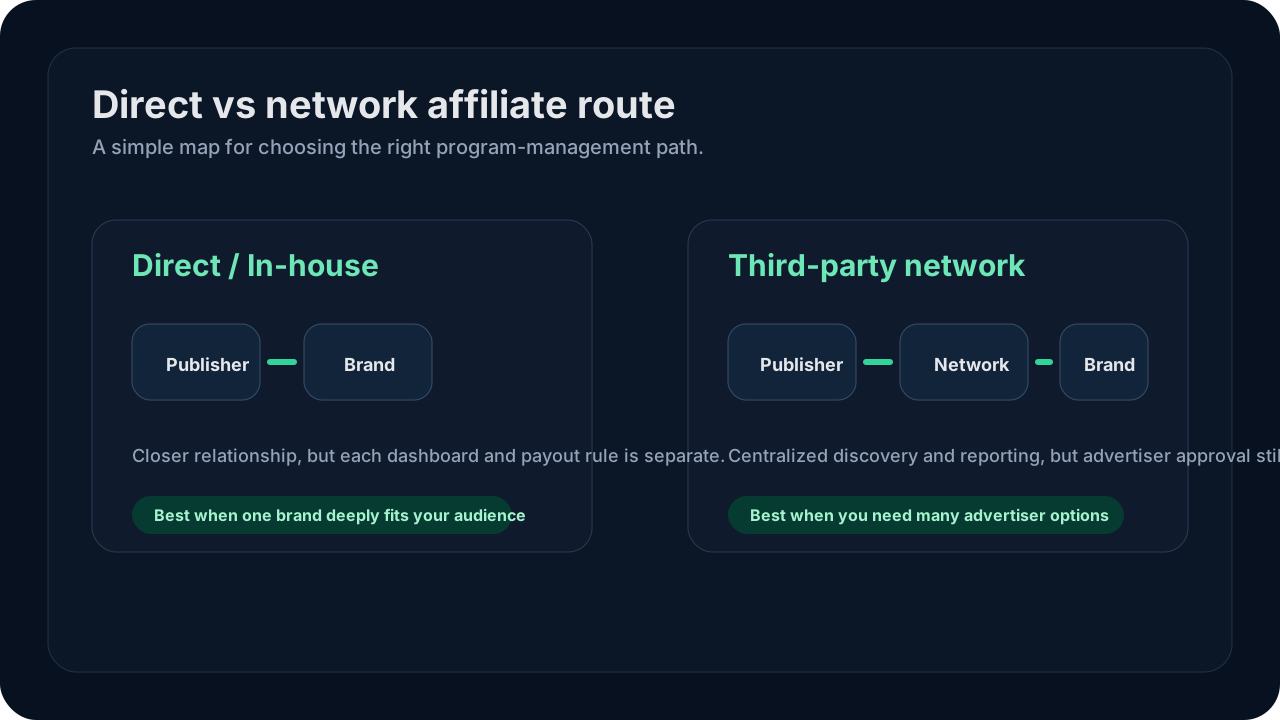
The tradeoff is consistency. A network gives you one familiar place to search, apply, and monitor programs. Direct programs rarely do that. One brand may use a clean partner dashboard, another may use a referral portal, and another may require manual approval with limited reporting.
That does not make direct programs bad. It just means you should be selective. One strong direct program that fits your content can be more valuable than ten random programs with better-looking commission numbers.
When a direct program is a smart choice
A direct program is strongest when the product sits naturally inside your content. If your site teaches ecommerce, a direct ecommerce platform or store-operations program can make sense. If your site teaches creator business, an email platform, course platform, or community tool can fit cleanly. If your content is about design systems, a website builder or no-code platform may convert better than a general marketplace offer.
The decision point is not only commission. You want a product that gives you repeat content angles: setup tutorials, pricing explainers, alternatives, comparisons, use cases, templates, and buyer checklists. Direct programs work especially well when readers need help understanding the product before they buy.
What to verify before applying
Start with the basics: commission, cookie window, payout threshold, payment schedule, and allowed traffic sources. Then look for the messy details. Does the program pay on trials or only paid customers? What happens if a buyer refunds? Are upgrades credited? Are coupon, trademark, email, or paid search campaigns restricted?
If the program page does not answer those questions, treat it as a note to verify before publishing strong claims. Your public content should not promise a payout path you have not confirmed.
A direct program can be excellent, but it rewards careful tracking. Keep one internal note for every program you join. Include approval status, dashboard URL, affiliate contact, last checked date, payout threshold, and any restrictions that affect your content plan.