- All
- Deals
- Coupons
- Sales
- Expired

Amazing Selling Machine (ASM): What It Is, Who It’s For, and What to Read Next
Amazing Selling Machine (ASM) is Amazing.com’s flagship Amazon FBA training program. In plain terms: it’s a structured, step-by-step course designed to help you launch (and then scale) a product-based business on Amazon—most commonly a private label brand with Amazon handling fulfillment through FBA.
This page is the “hub” for the entire ASM content cluster. It’s not a sales page rewrite, and it’s not trying to cram a full review into one scroll. The goal is simpler: help you figure out whether ASM matches your situation,
understand the moving parts that cause buyer regret (pricing structure, ongoing fees, and refund timing), and route you to the next page that answers your real question.
Quick navigation
- Fast fit check (best for / not for)
- At-a-glance snapshot (price, ongoing fees, guarantee)
- What ASM is (and what it isn’t)
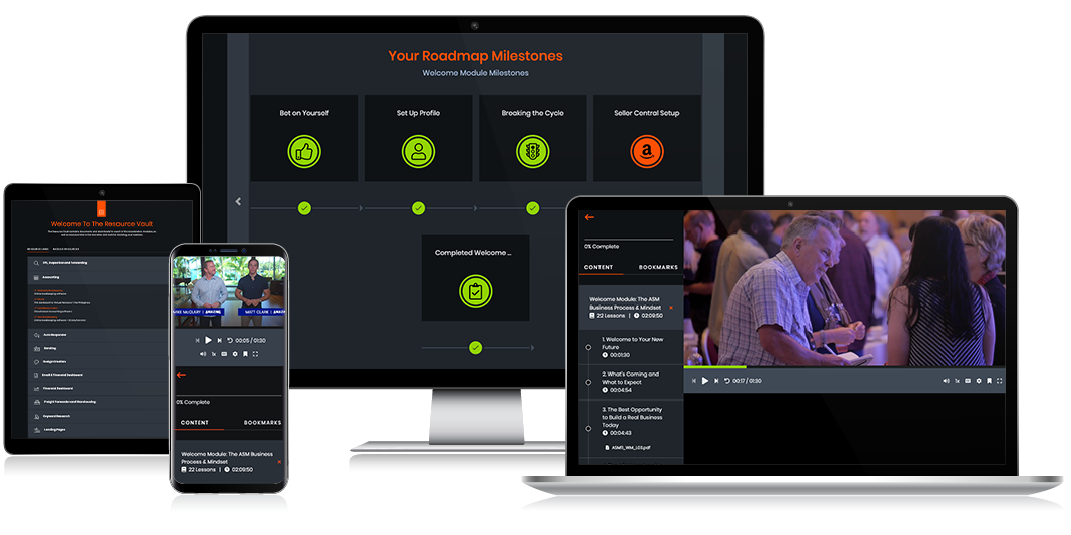
- What’s included (training, coaching, tools)
- Pricing: what people misunderstand
- Refund / guarantee: the plain-English version
- Top comparisons (best next reading paths)
- Common objections (time, budget, competition)
- Decision tree: pick your next page
Fast fit check: who ASM tends to be a good fit for (and who should skip it)
If you only read one section on this page, make it this one. Most “course disappointment” is a mismatch between (1) what someone thought they bought and (2) what they’re actually prepared to do.
Best for
- Beginners who want structure and a clear sequence (not just scattered tactics and tool tutorials).
- Early-stage sellers who want a repeatable workflow for product research → sourcing → listing/keywords → launch → PPC → scaling.
- People focused on private label / brand-building (as opposed to wholesale-only training).
- Buyers who will actually implement and use coaching/community for specific decisions—not just “consume content.”
Not for
- Anyone with no working capital for samples, inventory, freight, and early PPC testing. ASM is training—not inventory funding.
- People who want a tool subscription + light training (you’ll likely compare tool-first ecosystems first).
- People hunting for guaranteed results. Training can improve decisions; it can’t remove market risk.
- Anyone who dislikes process. Private label is process-heavy: suppliers, quality control, shipping timelines, reviews, and ad optimization.
If you’re new to Amazon FBA and want a more explicit “readiness checklist,” go to Amazing Selling Machine for beginners.
If you’re already close to buying and want the yes/no framework, go to
Is Amazing Selling Machine worth it?
At-a-glance snapshot (date-stamped)
Pricing and bonuses for courses like ASM change. The only honest way to publish numbers is to date-stamp what was
shown and tell readers to verify on the official offer page.

If you want the full verdict and trade-offs, start with
Amazing Selling Machine review.
If you’re here to confirm cost structure (including the “after 1 year” fee), go straight to
Amazing Selling Machine pricing.
What ASM is (and what it isn’t)
What it is
ASM is positioned as a guided Amazon FBA program with a step-by-step path: research a product opportunity, source it,
build the listing (including keyword work), launch, then learn to iterate with ads and operational systems. It’s meant to
be “implementation training,” not just theory.
What it isn’t
- Not done-for-you. You still make the product decisions, do supplier outreach, and manage execution.
- Not a replacement for capital. Private label requires real spend outside the course fee.
- Not a guarantee. Better process reduces mistakes; it doesn’t eliminate competition or uncertainty.
If your underlying question is trust—“is this legit or marketing?”—use
Is Amazing Selling Machine legit?
before you spend more time comparing.
What’s included (as positioned on the offer)
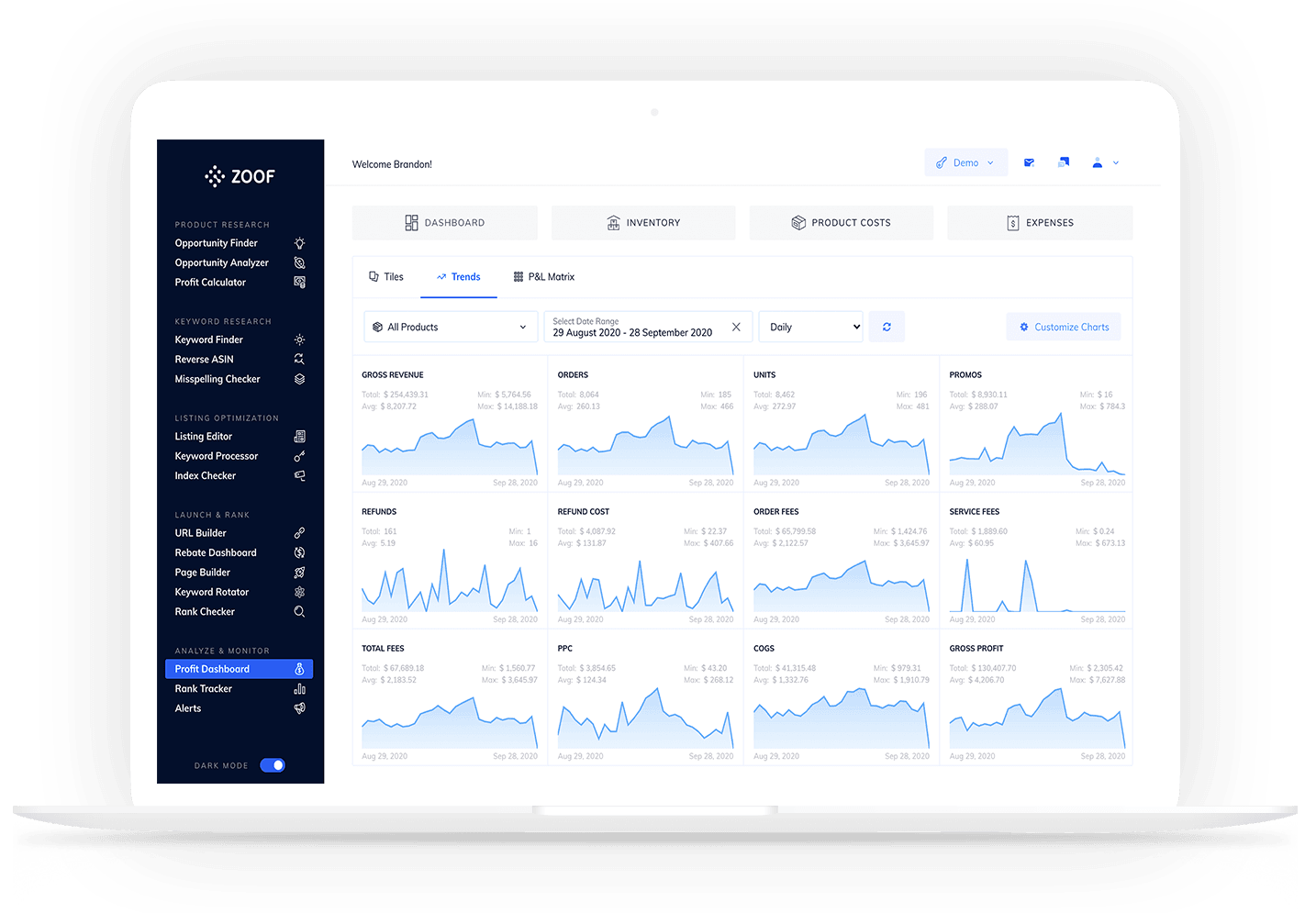
The official positioning is a combination of (1) a structured training library, (2) ongoing coaching calls, and (3) tools/software that support product research and execution. If you want the most practical breakdown (what you do week-by-week),
go to What is included in Amazing Selling Machine?
The instructors highlighted on the offer page

Matt Clark

Mike McClary

Devin Dorosh
What you should realistically expect to cover
- Product research: demand validation, competition analysis, and differentiation.
- Supplier sourcing: outreach, sampling, and basic quality checks.
- Seller setup + brand basics: account setup, brand assets, compliance basics.
- Listing + keywords: page structure, keyword research, and conversion fundamentals.
- Launch mechanics: early traction strategy and iteration.
- PPC: basic structure, optimization loops, and controlling spend.
- Scaling: inventory planning, operational systems, and expansion logic.
Coaching/community can matter if you’re the kind of person who shows up with specific questions and uses feedback to make decisions.
If you’re hoping coaching turns into a personal consultant who “fixes it for you,” most programs won’t meet that expectation.
Pricing: what people commonly misunderstand
The pricing question isn’t just “how much is ASM?” It’s “how much will it cost me to get to a real launch?”
Two points are consistently misunderstood:
- The course fee isn’t the total cost. Private label requires money for samples, inventory, freight, and initial PPC testing.
Your first launch is closer to a small project budget than a digital download. - The offer describes an ongoing fee later. As of the date-stamped snapshot above, the offer shows “$97/month after 1 year.”
That matters because it changes how you think about “one-time purchase” versus “ongoing access.”
If you want the clean breakdown (what you pay, when you pay, and what it includes), read
Amazing Selling Machine pricing.
One more point that trips people up: Amazing.com also promotes a broader membership with its own trial/plan pricing,
which is not always the same thing as buying ASM as a standalone program. If you’re comparing offers, make sure you’re
looking at the correct checkout flow and the correct “what’s included” list.
If you’re deal-checking (without chasing fake coupon codes), use
Amazing Selling Machine discount.
Refund / guarantee: the plain-English version
ASM highlights a 30-day money-back guarantee on the offer page. The key practical detail is timing:
refund windows for digital programs often begin when access starts, not when you “get around to using it.”
Before you buy, read Amazing Selling Machine refund policy.
That page is written to prevent the most common mistakes: misunderstanding when the refund clock starts, sending the request
to the wrong place, or waiting too long and hoping exceptions apply.
Top comparisons: the three directions most people evaluate next
Shoppers usually compare ASM in one of three ways:
(1) coached program vs tool-first ecosystem,
(2) structured training vs self-serve learning inside a tool subscription,
or (3) private label program vs a different business model focus.
ASM vs Freedom Ticket
Best if you’re deciding between a high-touch program versus a tools-first ecosystem where training may be bundled.
The real trade-off is usually coaching/accountability versus tool coverage and self-serve learning style.
ASM vs Jungle Scout
Best for beginners choosing between “structured program” versus “tools + Academy learning inside the platform.”
This comparison is less about features and more about how you learn and execute.
ASM vs Marketplace Superheroes
Best if you’re comparing program style, support vibe, and business model emphasis. Some programs lean harder into
wholesale; some lean harder into private label and brand-building.
If what you really want is “give me the best options by category (cheaper, tool-first, different model),” go to
Amazing Selling Machine alternatives.
Common objections (the ones that actually matter)
“Is Amazon too competitive now?”
“Competition” is often a proxy for a more specific problem: selling a commodity product with no real reason to choose you.
A good program should push you toward differentiation and positioning—not copying what’s already selling and hoping for the best.
“How long will this take?”
The honest answer: longer than people want. Product research takes time. Supplier sampling takes time. Shipping takes time.
Launch and PPC learning takes time. Courses can compress the learning curve, but they can’t compress reality.
“What if I buy and regret it?”
Then your first week matters. Treat week one as an audit: confirm what you get access to, map the first deliverable,
and decide early whether this is the right fit. Don’t wait until day 29 to start paying attention.
If that’s your concern, read Amazing Selling Machine refund policy first.
Decision tree: pick your next page
- If you want the full verdict by fit (worth it / not worth it), read
Amazing Selling Machine review. - If you’re price-checking or confused about ongoing fees, go to
Amazing Selling Machine pricing. - If risk and refunds are your main concern, read
Amazing Selling Machine refund policy. - If you’re comparing a coached program versus a tool-first path, start with
ASM vs Freedom Ticket. - If you want the best alternatives grouped by category, use
Amazing Selling Machine alternatives. - If you want the “yes/no checklist” without reading a full review, go to
Is Amazing Selling Machine worth it?. - If you’re only here for offers/promos (without fake codes), use
Amazing Selling Machine discount. - If you want the deliverables in plain English (what you get access to), read
What is included in Amazing Selling Machine?
One last editor’s note, because it matters: don’t decide based on how persuasive the marketing feels.
Visit Amazing Selling Machine Official
Decide based on fit—your budget, your time, your tolerance for uncertainty, and whether you want a coached implementation path or a tool-first learning path. If ASM fits, great. If it doesn’t, it’s better to know that before you spend four figures.