Amazing Selling Machine Alternatives (2026): 7 Real Options (By Business Model and Support Level)

People search for “Amazing Selling Machine alternatives” for one of three reasons: (1) ASM feels expensive, (2) they want tools-first learning instead of coaching-first learning, or (3) they’re not even sure private label is the business model they want.
This page is built to help you choose an alternative that matches your constraints—budget, time, and learning style—without pretending there’s a single “best course.” Most of the time, the best alternative isn’t the most famous program. It’s the one that fits how you’ll actually execute.

Amazing Selling Machine Alternatives: Quick map: pick the “type” of alternative you actually need
- If you want tools + training bundled: start with Helium 10 (Freedom Ticket) or Jungle Scout (Academy).
- If you want free, official baseline learning: Amazon Seller University.
- If you want a different model than private label: a wholesale-first program can be a better match.
- If you want a membership library: a subscription-based training archive can be enough (if you’re self-directed).
- If you want lower-cost stepping stones: shorter challenges can reduce upfront risk (but often come with heavier marketing).
- If you want custom guidance: 1:1 coaching can be great—or a money pit—depending on who you hire.
If you’re still unsure whether ASM is worth evaluating at all, start with the fit-based verdict: Amazing Selling Machine review.
1) Helium 10 + Freedom Ticket (tools-first bundle)
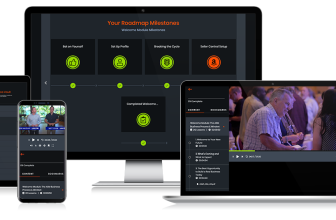
If your main goal is to learn while using professional research and optimization tools, Helium 10’s ecosystem is the most direct alternative. Freedom Ticket is positioned as a full Amazon FBA training course, and it’s commonly included with certain Helium 10 subscriptions while your subscription is active. It’s also sold as a standalone course in some offer versions.

Video: Helium 10’s overview of Freedom Ticket—useful for seeing how the course fits into their tools ecosystem.
If you’re specifically deciding between ASM’s coaching-first approach and Helium 10’s tools-first approach, read: ASM vs Freedom Ticket.
2) Jungle Scout + Academy (tools-first, beginner-friendly)
Jungle Scout is another tools-first ecosystem where training is built in. Their Academy content is designed to help beginners understand the end-to-end seller journey, and it’s typically available as part of an active subscription.

3) Amazon Seller University (free, official baseline training)
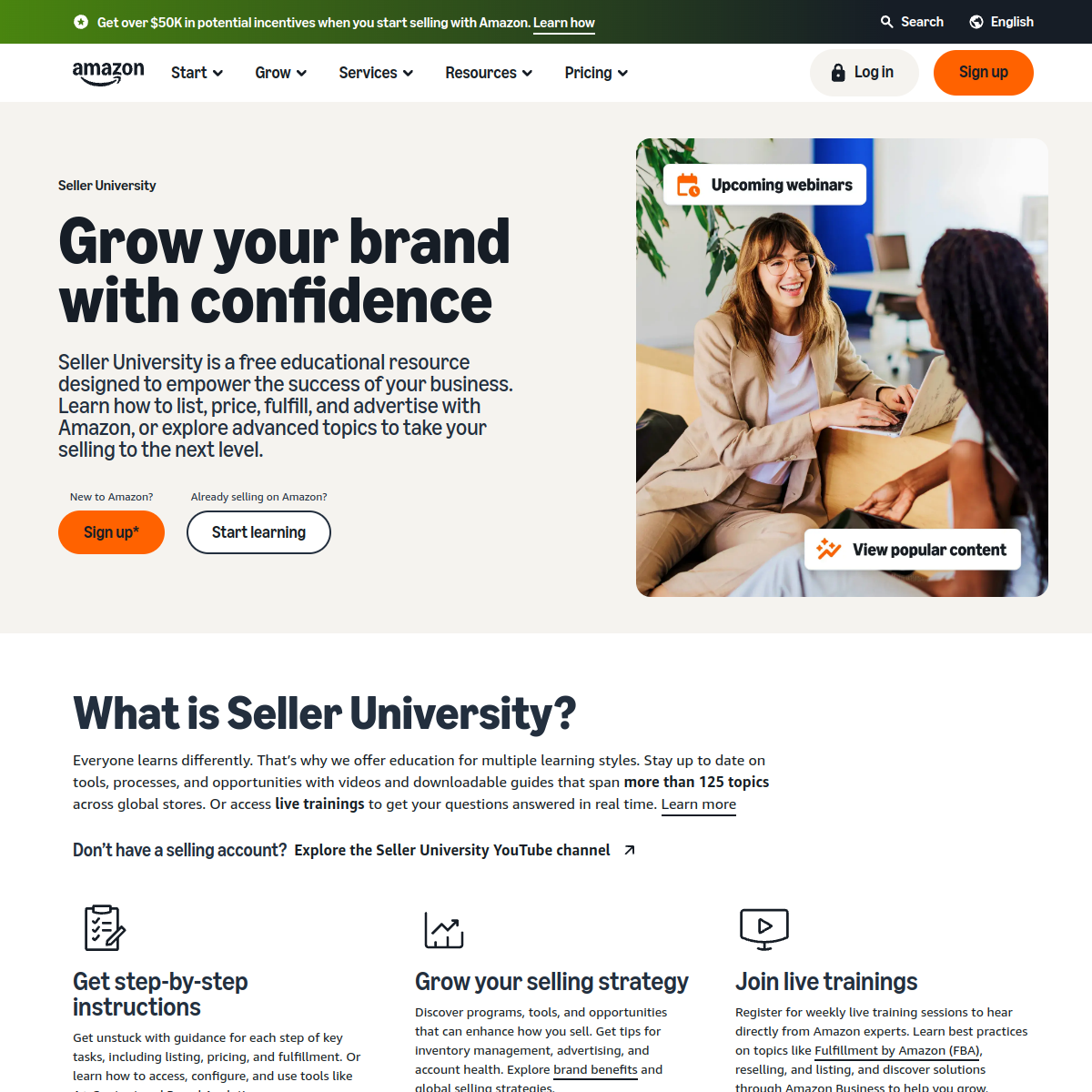
If your issue is budget—or you just want to reduce risk before paying for anything—Amazon Seller University is the most underrated alternative. It’s free, and it gives you official guidance on core topics like listing, fulfillment, and advertising.
Video: A quick official-style overview of how Amazon FBA works (helpful before paying for any training program).
The trade-off is obvious: free training won’t give you accountability. If your main problem is execution, not knowledge, free content can become a loop.
4) Marketplace Superheroes (wholesale-first alternative)
Some people don’t need a different course. They need a different business model. Marketplace Superheroes strongly positions a wholesale approach as an alternative to “inventing products” and private label risk. That can be a better fit if you want a faster start, simpler operations, and a model that doesn’t require product development.
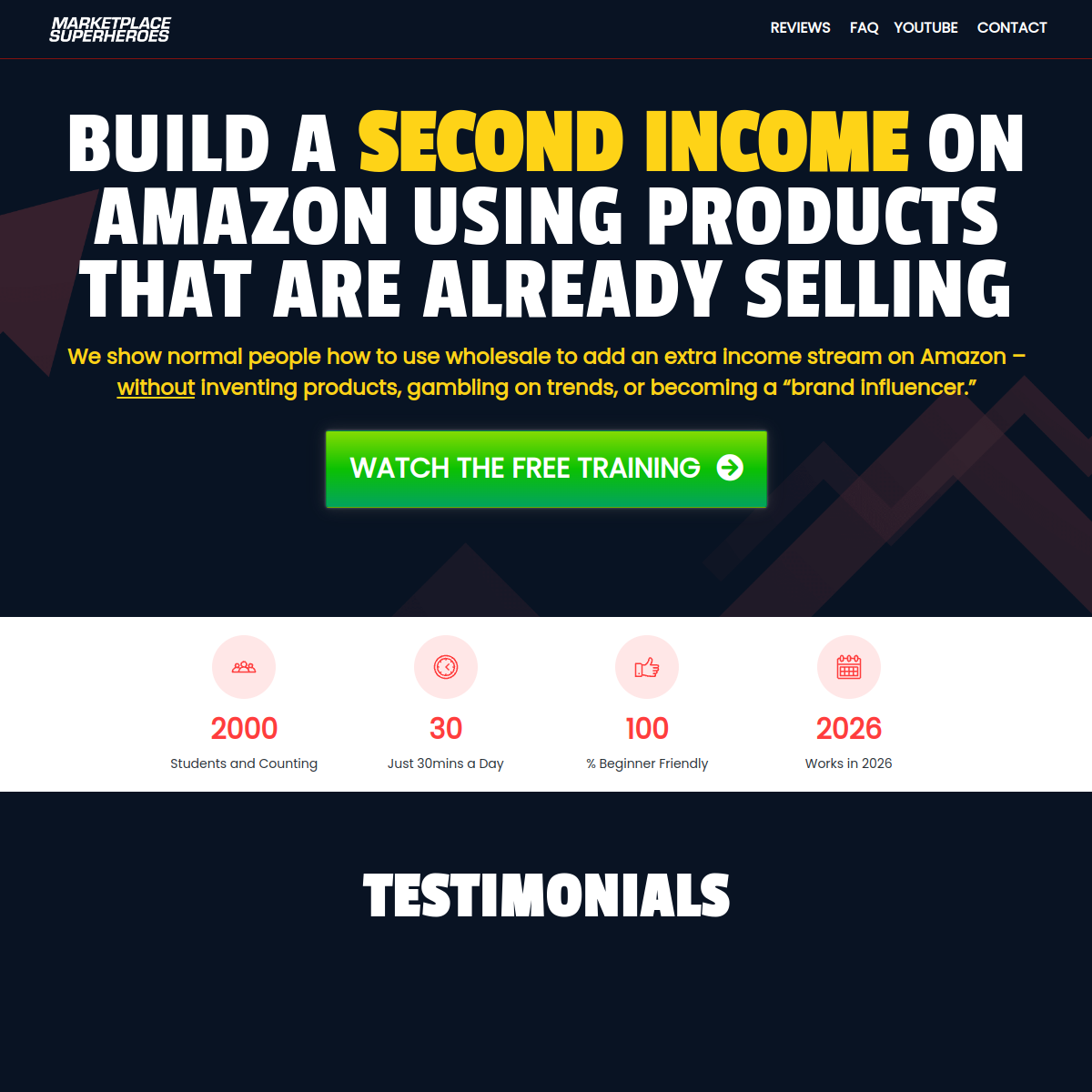
The trade-off: wholesale has its own constraints (supplier relationships, brand approvals, competition on shared listings). It’s not “easier,” it’s a different set of skills.
5) Proven Amazon Course (membership library)
If you prefer a subscription-style training library (recorded modules, webinars, community resources), membership-based programs can be a decent alternative— especially for self-directed learners who don’t need weekly coaching calls.

The trade-off is focus. Libraries can overwhelm beginners. If you choose a membership route, the winning move is to pick one model, one product plan, and one 30-day execution goal—then ignore everything else until you hit the milestone.
6) One Product Away Challenge (lower-cost stepping stone inside Amazing.com)
If you like the Amazing.com ecosystem but want a lower-cost, shorter commitment than ASM, their “challenge” format is positioned as a stepping stone. These programs typically focus on momentum—helping you move from “I’ve watched content” to “I’ve chosen a direction.”
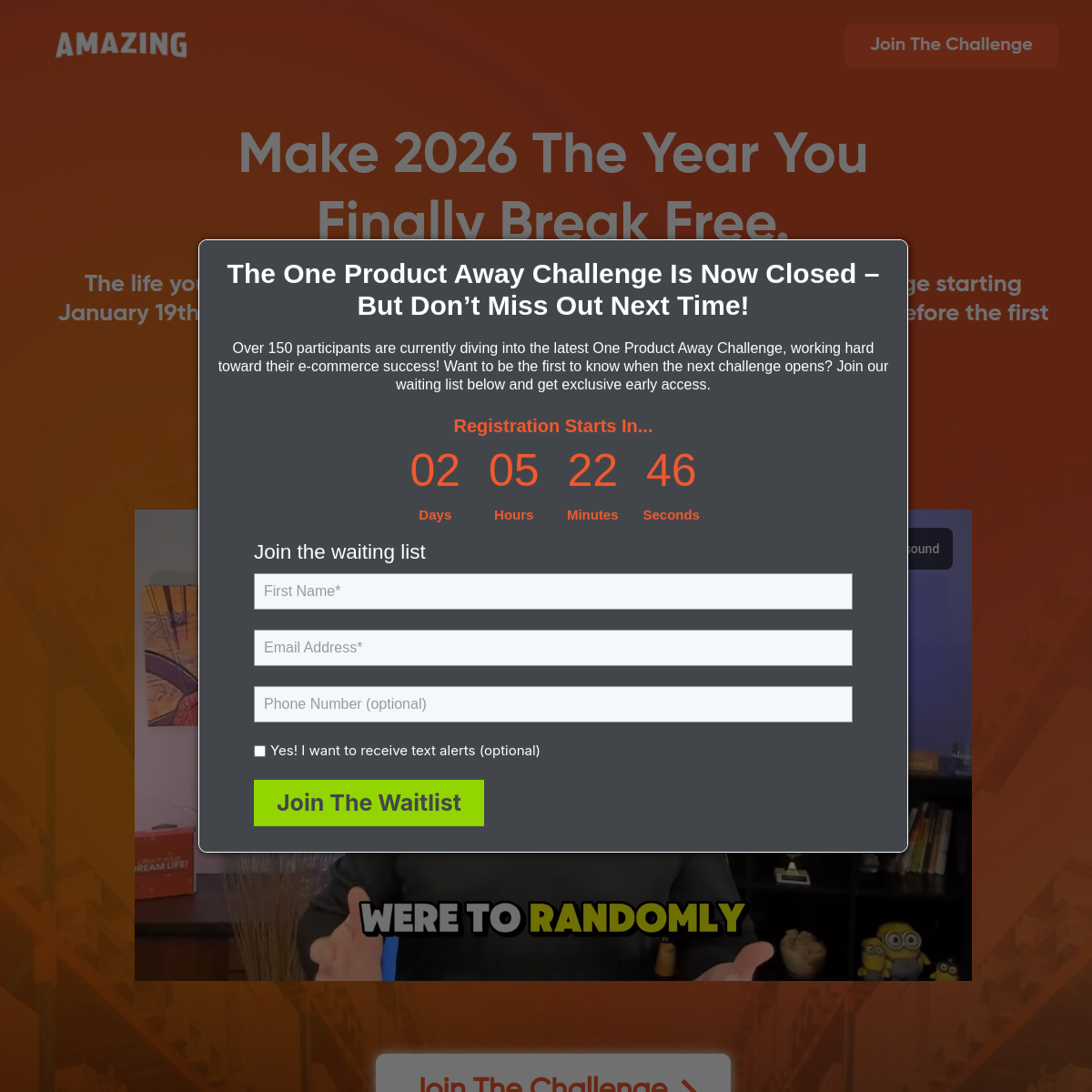
A blunt editorial note: challenge-style offers often use more aggressive marketing language than long-form training programs. If you’re allergic to hype, keep your expectations grounded and evaluate deliverables carefully at checkout.
7) 1:1 coaching / consulting (custom guidance, highest variance)
This is the “it depends” alternative. The right coach can save you months. The wrong coach can cost you thousands and still leave you confused.
If you consider 1:1 support, use a simple filter:
- Ask for a clear scope: what decisions will they help you with (product selection, listing, PPC, supplier strategy)?
- Ask how they work: weekly calls, async reviews, audits, templates, feedback loops.
- Ask for boundaries: what they won’t do, what they won’t promise.
- Run a short trial: one paid session before committing to a package.
When ASM still makes sense (even if you’re browsing alternatives)
Alternatives are great—when they match your situation. ASM still tends to make sense when:
- You want private label and you’re prepared for the real costs (inventory, freight, PPC testing).
- You want a structured sequence and you know you’ll use coaching/community accountability.
- You’d rather pay more for a guided implementation path than self-manage everything.
If you’re cost-checking ASM specifically (including any ongoing fee language), use: Amazing Selling Machine pricing.
How to choose the right alternative (a simple checklist)
- Pick your business model first: private label vs wholesale vs “still deciding.”
- Be honest about your learning style: coaching/accountability vs self-directed execution.
- Budget beyond the course: inventory, shipping, and PPC testing often matter more than the course fee.
- Choose your “first milestone”: product shortlist, supplier samples, listing draft, or launch plan.
- Stop “comparison shopping” once you have a plan: execution beats perfect research.
If you want the shortest fit-based decision framework for ASM itself, use: Is ASM worth it?
Next step
If you’re truly undecided, don’t bounce between 10 options. Pick the path that matches your constraints, then commit to 30 days of execution. If you want the full navigation hub for this topic (review, pricing, refunds, comparisons, and next steps), go here: Amazing Selling Machine (ASM).