 admin
admin 
“Amazing Selling Machine Worth it?” is the wrong question if you don’t define for whom. Amazing Selling Machine (ASM) can be a solid purchase for a very specific buyer: someone who wants a structured private label roadmap, will use coaching/accountability, and has the budget to actually launch a product.
It’s not worth it for people looking for cheap education, guaranteed outcomes, or a way to skip the messy parts of Amazon (inventory, reviews, PPC, supply chain). This page is a decision tool: a clear “worth it if…” / “not worth it if…” checklist, a realistic cost view, and the next best page to read depending on where you’re stuck.

Is Amazing Selling Machine Worth It in 2026? and The short answer
ASM is worth it if you want a coached, structured implementation path and you have enough capital to run the first real experiments (samples, inventory, shipping, and early PPC testing). ASM is not worth it if you’re hoping the course replaces capital, replaces execution, or replaces risk.
If you want the full review-style verdict with more context and trade-offs, read Amazing Selling Machine review. If you want the full navigation hub (comparisons, alternatives, what you get), go to Amazing Selling Machine (ASM).
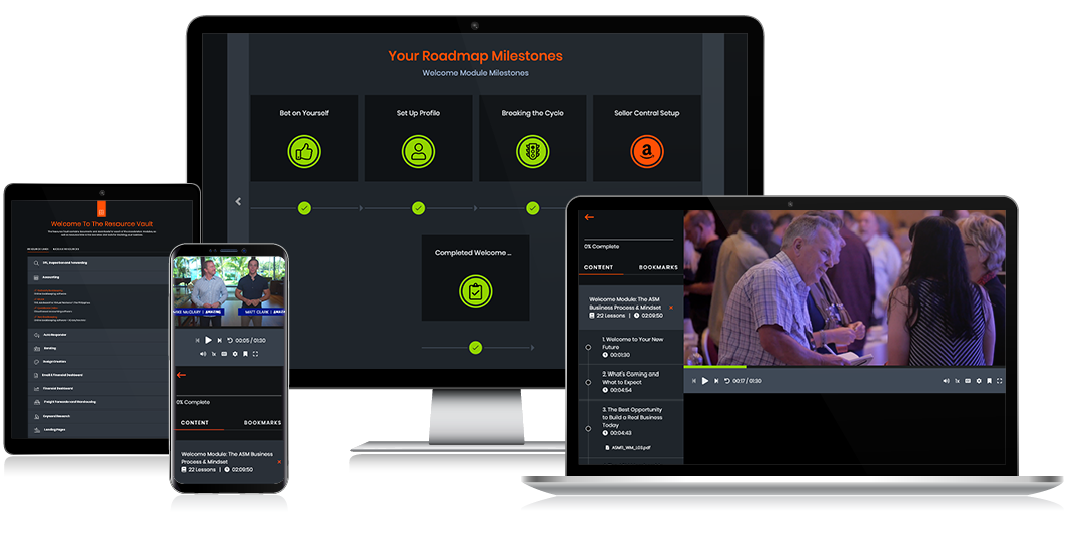
Worth it if… (the real checklist)
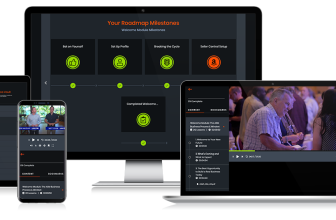
- You want a step-by-step roadmap for private label from research → sourcing → listing → launch → PPC → early scaling.
- You value accountability and will show up to coaching calls with specific questions and data.
- You have launch capital beyond the course fee (samples, inventory, freight/shipping, PPC testing).
- You can commit consistent time for 8–12 weeks of real execution (not just “watching lessons”).
- You can handle uncertainty (a product launch is an experiment; you iterate, not “set and forget”).
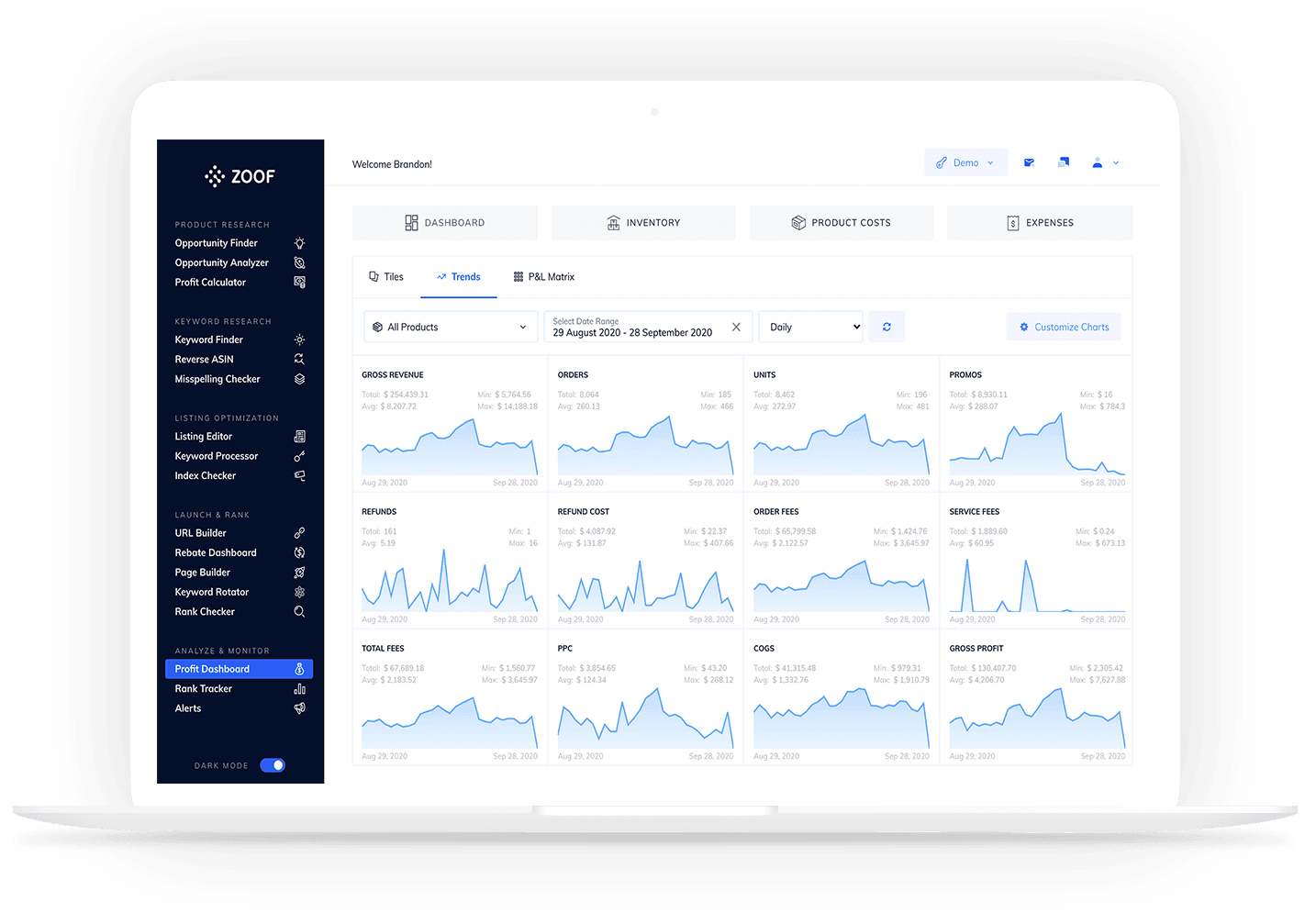
Not worth it if… (where people usually get burned)
- You’re under-capitalized. If you can’t fund inventory and testing, even great training will feel like a bad deal.
- You want the cheapest path to learn. You’ll resent a high-ticket program if you’re mainly shopping for information.
- You don’t want private label. If you’re leaning wholesale or another model, ASM may be the wrong fit.
- You won’t implement. The biggest “waste” in online courses is buying motivation instead of building a process.
- You want a guarantee. No course can guarantee product-market fit, reviews, or stable PPC performance.
If any of those hit home, your best move isn’t to keep comparing ASM to other high-ticket courses. It’s to choose a lower-risk path or a different model. Start here: Amazing Selling Machine alternatives.
What ASM solves vs what it doesn’t
What ASM can solve (if you use it)
- Sequencing: what to do first, second, and third (beginners waste months here).
- Decision frameworks: how to evaluate products, suppliers, and launch plans more consistently.
- Momentum: coaching/community cadence can reduce “stuck time” and keep you moving.
- Execution clarity: turning abstract tactics into concrete deliverables (shortlists, outreach scripts, listing drafts, PPC structure).
What ASM can’t solve (no course can)
- Capital constraints: training doesn’t pay for inventory or freight.
- Market reality: differentiation matters; commodity products get punished.
- Time: shipping timelines, review velocity, and PPC learning curves don’t bend because you bought a program.
- Personal follow-through: the course can guide you, but it can’t do the work for you.
Video: A quick overview of how FBA works. It’s basic, but it helps you evaluate any course with clearer expectations.
The “real cost” question (beyond the course fee)
Here’s the line most people avoid saying out loud: if you can’t afford to run real launch experiments, the course won’t feel worth it. The course fee is a fixed cost. Your launch costs are variable, and they’re where the business is actually learned.
Typical cost categories you should plan for:
- Samples: often more than one round before you’re satisfied
- Inventory: enough to test demand and avoid an immediate stockout
- Shipping/freight: timelines and costs can change; you need buffer
- PPC testing: early ad spend is partly “tuition” as you gather data
- Creative assets: images, packaging, listing creative (even if lean)

For the clearest explanation of what you pay and when (including the “after 1 year” fee language), read Amazing Selling Machine pricing.
Refund timing: the best way to avoid buyer regret
If you’re the kind of person who worries about getting stuck with a purchase you regret, do this before you buy: read the refund policy and understand when the refund clock starts.
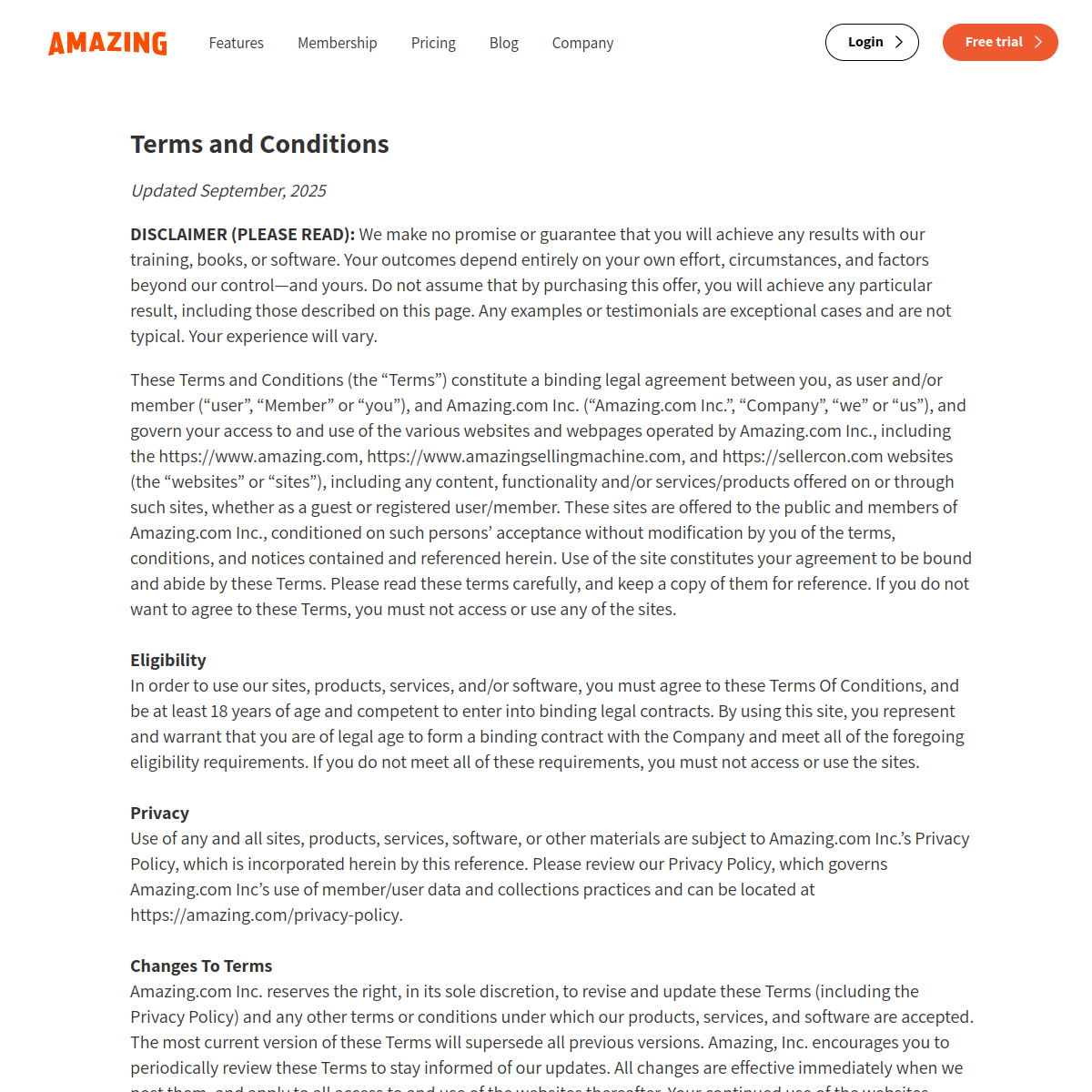
You can get the plain-English checklist here: Amazing Selling Machine refund policy.
A 15-minute decision process (so you stop doom-scrolling reviews)
- Confirm the business model: Are you actually committed to private label (not just curious)? If not, start with Amazing Selling Machine alternatives.
- Confirm capital reality: Do you have funds for samples, inventory, shipping, and PPC testing? If not, delay the purchase and choose a lower-risk learning path.
- Confirm learning style: Will coaching/accountability change your execution? If yes, a coached program can be worth it. If no, a tools-first or self-serve path may fit better.
- Confirm the offer terms at checkout: pricing, any ongoing fees, and guarantee language. Use Amazing Selling Machine pricing as your guide.
- Set a calendar reminder inside the refund window: if you buy, treat week one as an audit, not casual browsing.
Video: PPC is a common pain point for new sellers. Watching a practical walkthrough helps you judge whether you need coaching support here.
FAQs
Is ASM worth it for beginners?
It can be—if you want structure and will use coaching consistently. The biggest beginner mistake is buying training without enough budget to launch. If you want a beginner-specific fit guide, read Amazing Selling Machine review and focus on the “best for / not for” sections.
What’s the biggest reason ASM isn’t worth it?
Underestimating the real costs of private label (inventory, shipping, PPC testing) and then expecting the course fee to be the “main” expense. The business is learned through iteration, and iteration costs money.
Should I read pricing and refund terms before buying?
Yes. Pricing can include ongoing fee language and refund windows can depend on when access begins. Start with Amazing Selling Machine pricing and Amazing Selling Machine refund policy.
Final verdict (fit-based)
If you’re committed to private label, have working capital, and you know accountability will change your execution, ASM can be worth it. If you’re under-funded, uncertain about the model, or shopping for information rather than implementation, you’re usually better served by alternatives first.
If ASM fits and you’re ready to verify the current offer details, here’s the lowest-pressure next step: