What You Get in Amazing Selling Machine (ASM): Curriculum, Coaching, Tools + Week-by-Week Expectations
 admin
admin 
What You Get in Amazing Selling Machine? Most “what’s included” pages on the internet are just sales bullets in disguise. This one isn’t. The goal here is to translate ASM’s deliverables into something you can actually plan around: what you get access to, how coaching tends to work in practice, and what you should be producing in weeks 1–4, 5–8, and 9–12.
Quick reminder before we start: high-ticket course offers change. Modules get renamed, bonuses rotate, and software access terms can shift. So treat this as a practical map—and verify the exact deliverables you’ll receive inside the checkout flow. If you want the fit-based verdict first, start with Amazing Selling Machine review.
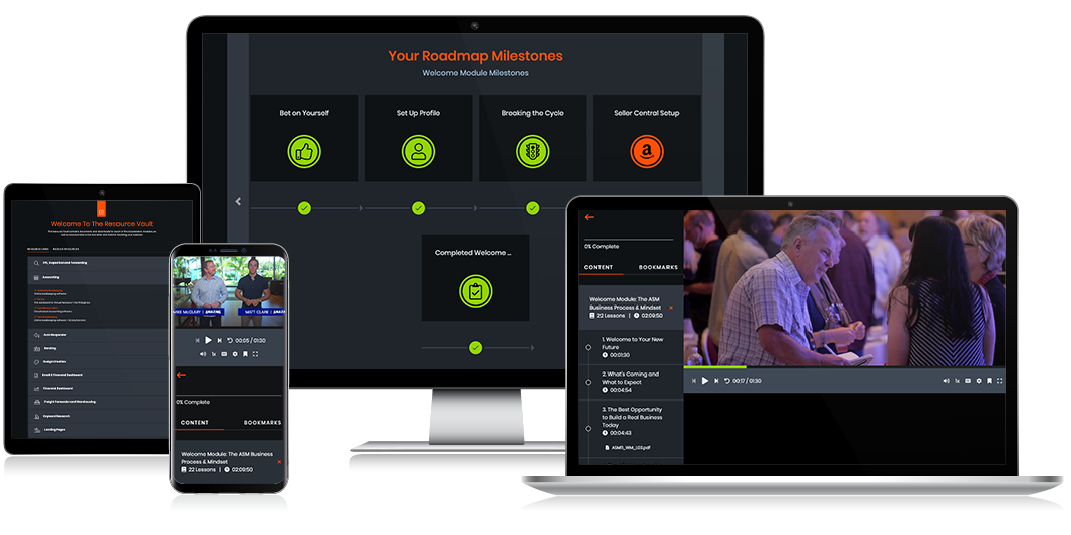
At a glance: the “shape” What You Get in Amazing Selling Machine (ASM)
Based on how ASM is positioned publicly, you should expect four layers:
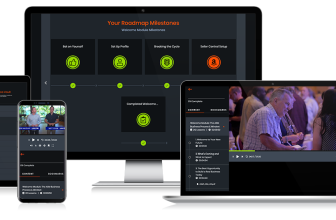
- Structured curriculum: a guided sequence covering research → sourcing → listing → launch → PPC → scaling.
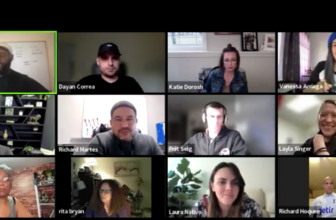
- Coaching cadence: live calls (promoted weekly) where you can get direction at decision points.
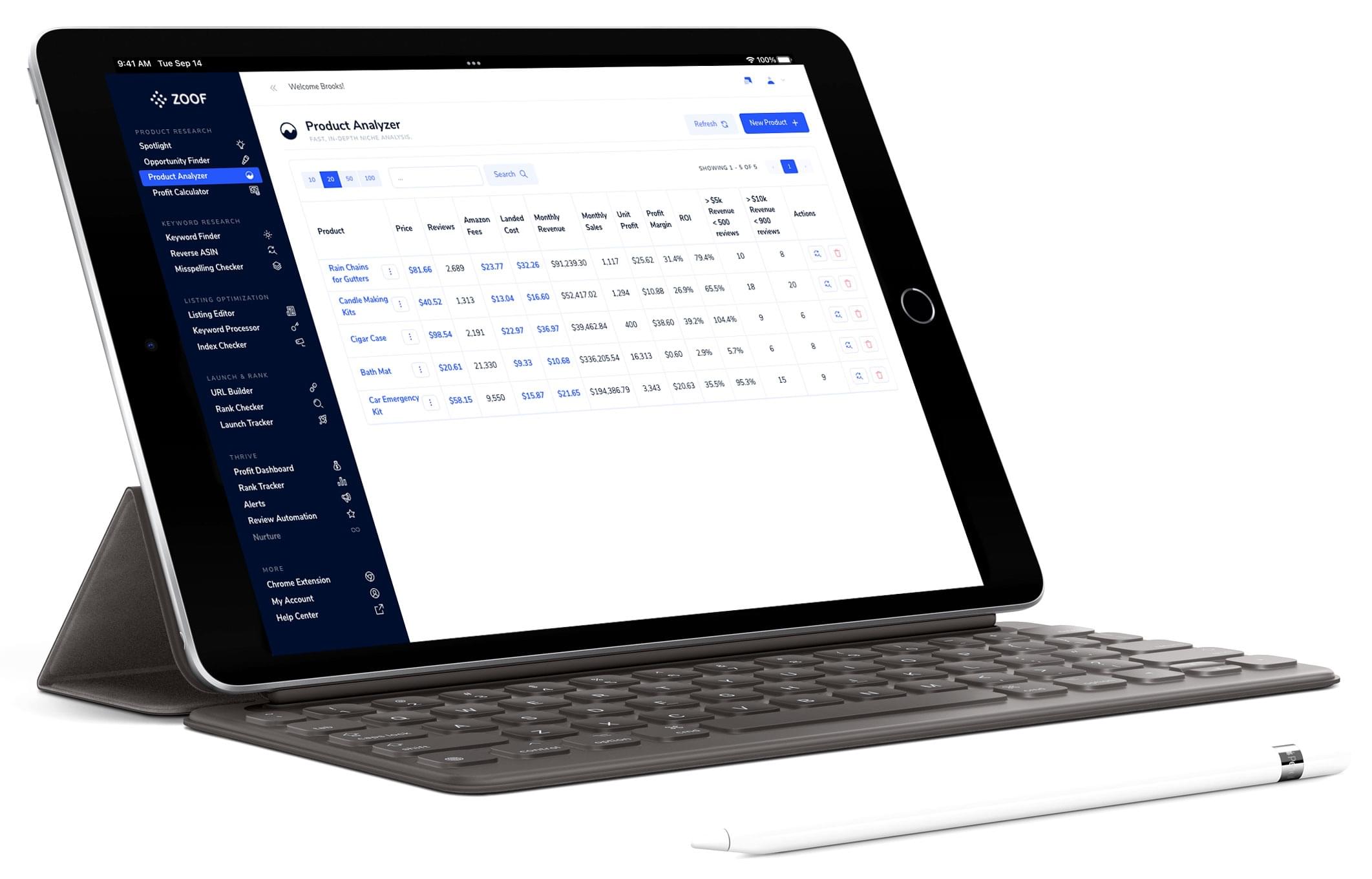
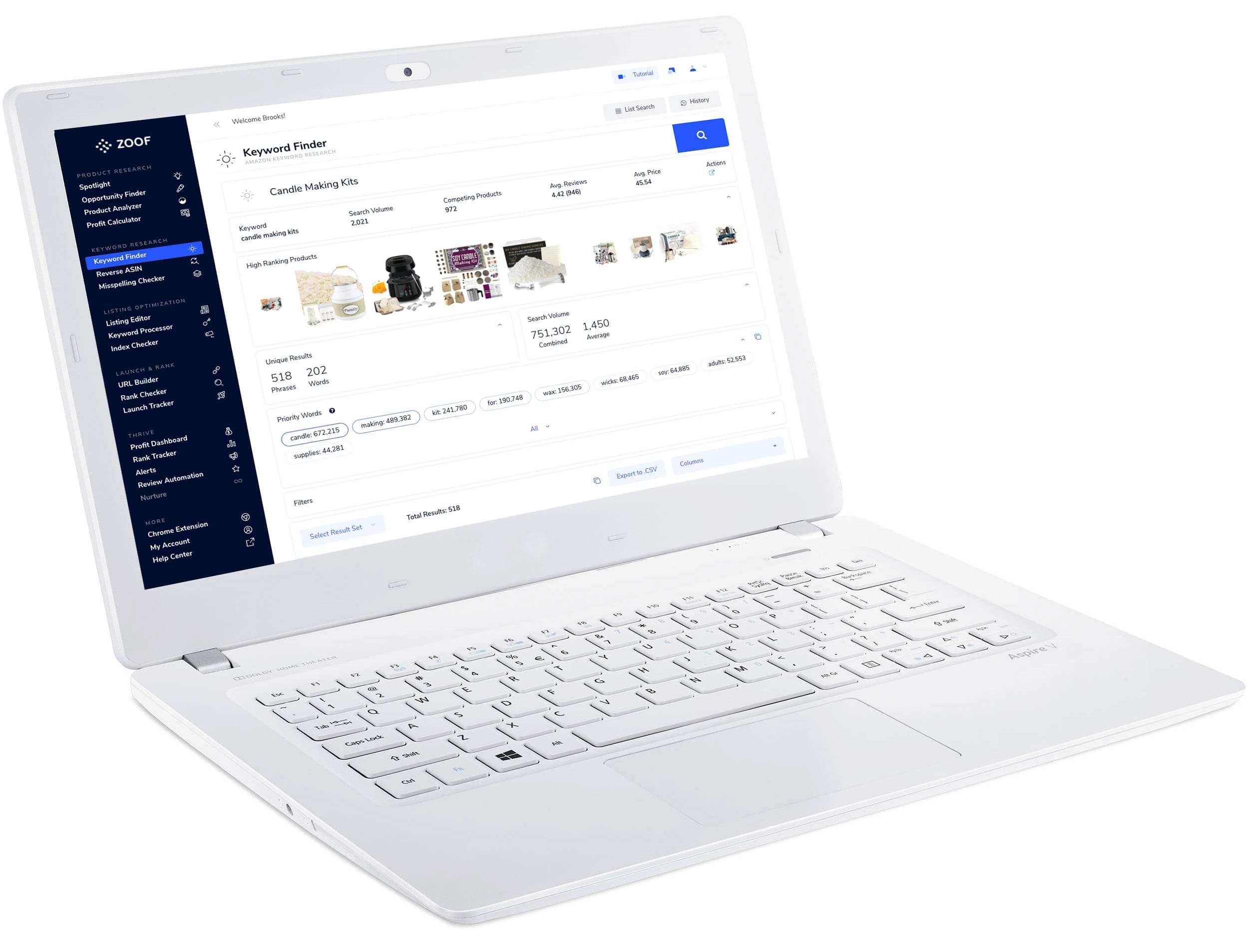
- Tools/resources layer: product and keyword research support, templates, and a resource vault angle.
- Community/accountability: a shared environment where questions and progress loops happen faster.
If you’re trying to understand total cost (including any “after 1 year” fee language), read Amazing Selling Machine pricing. And if you want the full navigation hub (comparisons, alternatives, next steps), go to Amazing Selling Machine (ASM).
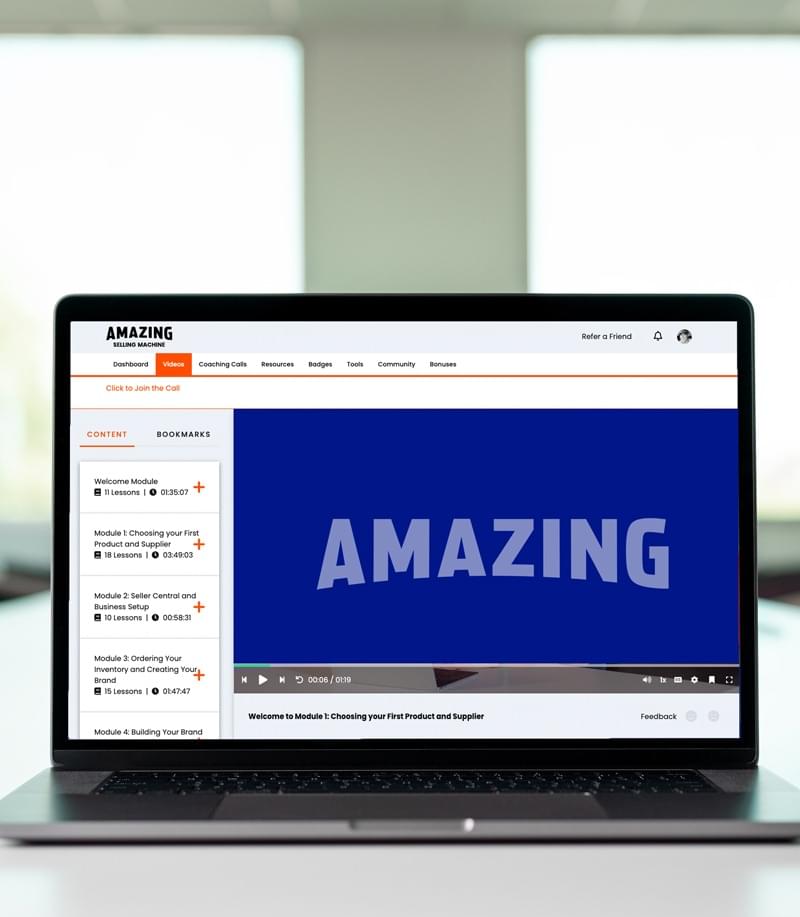
The curriculum, in plain English (what it’s trying to teach you to do)
ASM is fundamentally designed to move you through a private label launch workflow. That means the “modules” are not the point. The point is the sequence of decisions you’ll make:
- Pick a product you can realistically compete with (demand, competition, differentiation).
- Find and validate a supplier (samples, specs, quality checks).
- Build a listing that converts and aligns with search behavior (keyword work + copy + images).
- Launch and learn (initial traction, review strategy, conversion optimization).
- Run PPC with control (structure, negative keywords, measurement loops).
- Scale responsibly (inventory planning, ops, and repeatable systems).
Video: A quick overview of how FBA works. Useful context if you’re new to the operational side of Amazon.
Week-by-week expectations (a realistic 12-week first pass)
This is the part most course pages don’t tell you: your progress depends less on “watching modules” and more on producing concrete outputs. Here’s a realistic way to plan your first 12 weeks if you want momentum.
Weeks 1–4: research, selection, and the first irreversible decisions
The goal in the first month is not to “find the perfect product.” It’s to narrow to a small, defensible shortlist and begin supplier validation.
Primary outputs you should aim to produce
- A product criteria list (price range, size/weight limits, competition tolerance, differentiation plan)
- A shortlist of 10–20 product ideas → narrowed to 2–3 serious candidates
- A competitive notes doc (top listings, review themes, weak points you can improve)
- Supplier outreach scripts + a supplier shortlist (with replies and next steps)
- At least one round of sampling in motion (or imminent)
If you want a clean onboarding plan (first 7 days / first 30 days) that matches this phase, use How to use Amazing Selling Machine.
Weeks 5–8: sourcing, listing build, and launch preparation
This phase is where beginners usually slow down—because it becomes operational. Sampling, negotiating, packaging decisions, images, and listing structure are real work.
Primary outputs you should aim to produce
- A supplier decision (with quality/spec agreement and clear next steps)
- Your final product specs (materials, packaging, inserts, brand elements)
- A draft listing: title, bullets, description, A+ plan (if applicable), backend keywords strategy
- A photo brief (what images you need and why each one increases conversion)
- A launch plan: inventory timing, review strategy, and first PPC structure
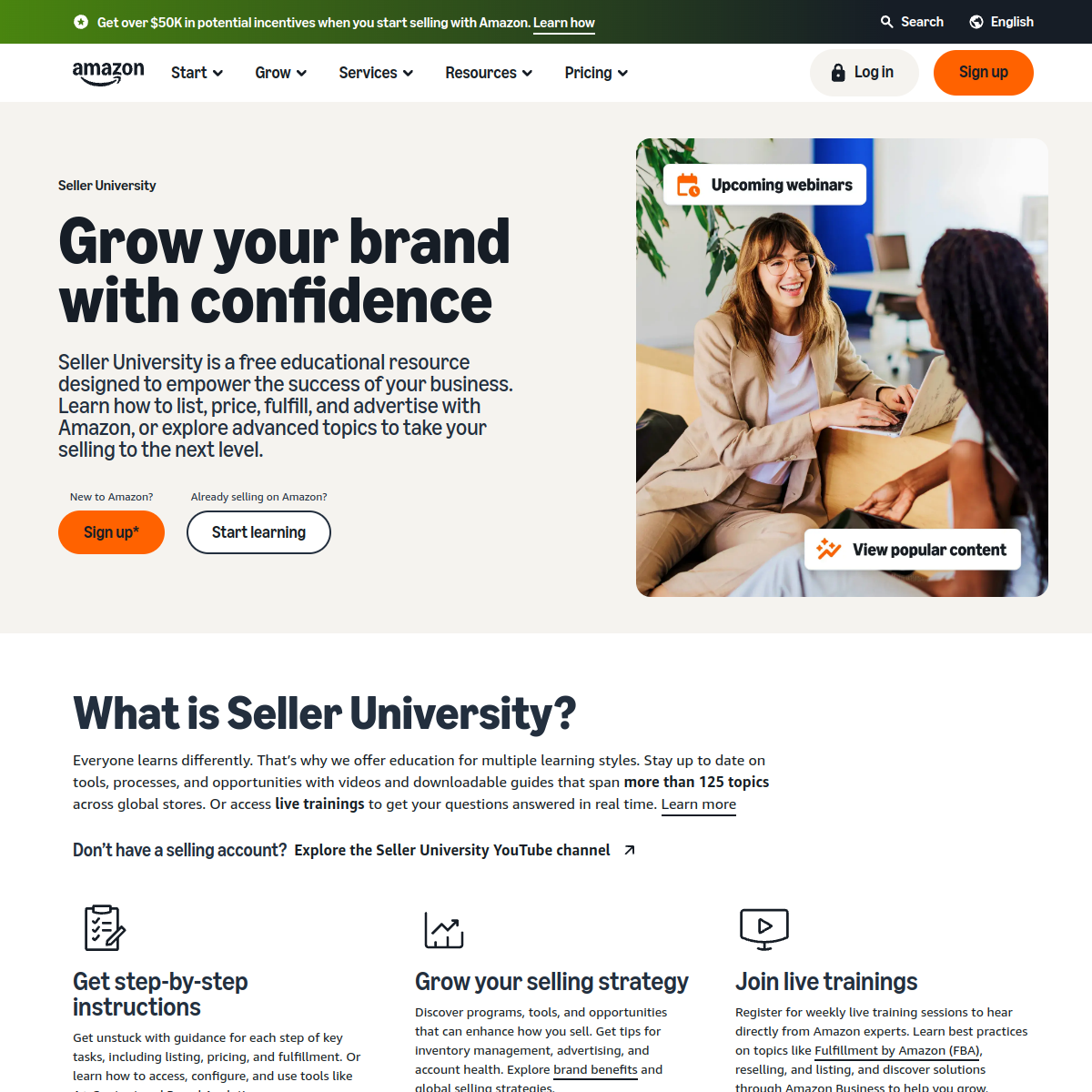
Outbound reference (opens a new tab): if you want a neutral, official baseline library, Amazon’s Seller University is worth bookmarking: Amazon Seller University.
Weeks 9–12: launch, PPC learning, and stabilization
This is where “course expectations” collide with real-world feedback: conversion rate, click-through rate, ad efficiency, and review velocity. The right mindset in this phase is iteration, not perfection.
Primary outputs you should aim to produce
- A live listing with clear tracking (what changes did you make and why?)
- A PPC structure you understand (not just “turn ads on”)
- Weekly optimization loop: search term review, negatives, bid adjustments, budget control
- A conversion improvement checklist (images, pricing strategy, messaging, offers)
- A restock plan (inventory projection, reorder triggers, safety stock buffer)
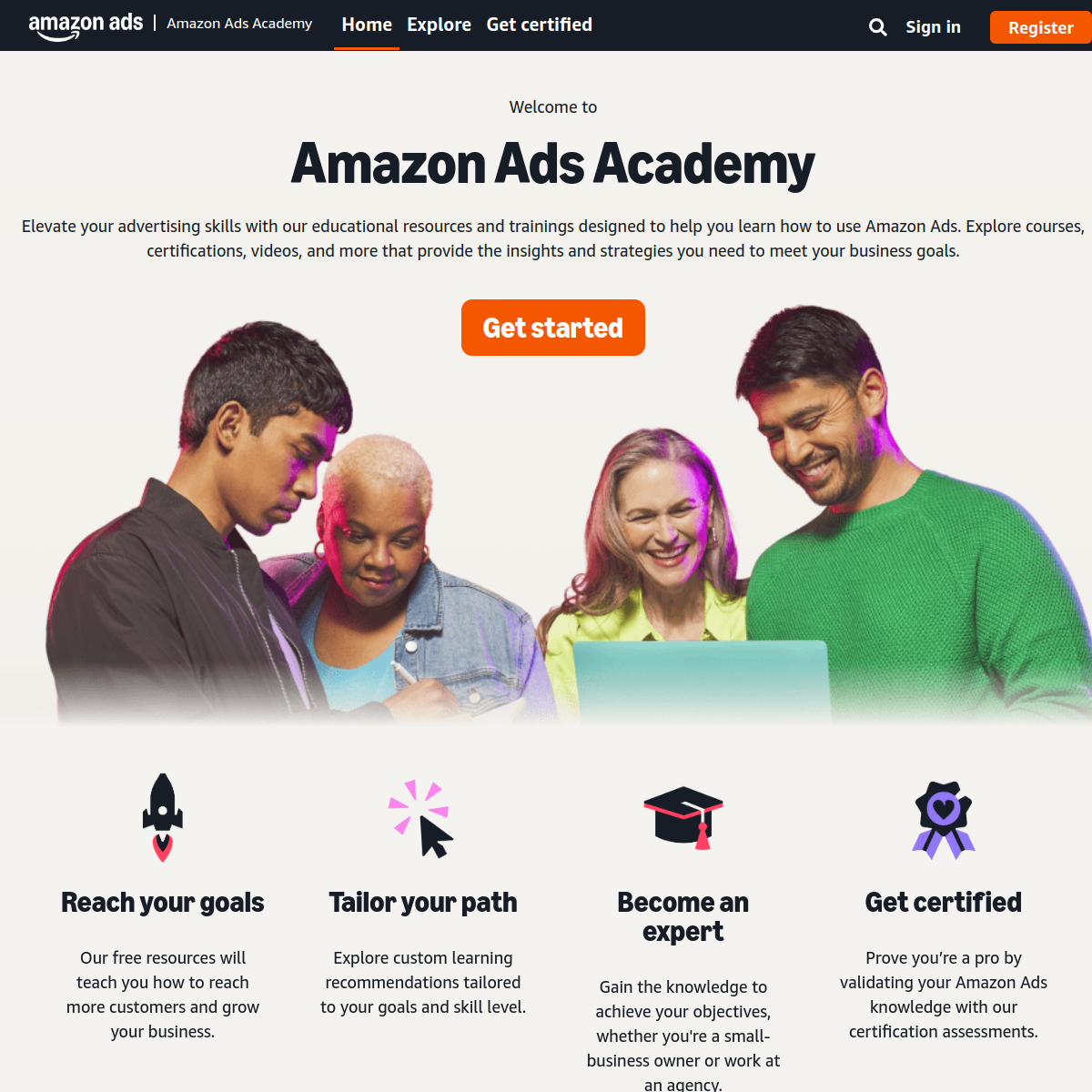
Outbound reference (opens a new tab): for PPC terminology and fundamentals, Amazon’s own learning resources are useful: Amazon Ads Learning Console.
Video: PPC is where many first launches overspend. A practical walkthrough helps you evaluate whether you want coaching support here.
Coaching and community: what to expect (and how to get value)
ASM is promoted with weekly coaching calls. Coaching can be genuinely valuable, but only if you treat it like a decision accelerator. The best way to use coaching is to show up with:
- two concrete options (product A vs product B, supplier X vs supplier Y),
- your reasoning and your data, and
- the exact decision you need help making.
The least useful way to use coaching is to ask vague questions like “What should I sell?” or “How do I get rich on Amazon?” Specific questions create specific answers.

What’s not included (the part that affects your budget)
This is where buyer regret comes from: confusing training with the operational costs of launching a product. ASM (like any course) is not:
- Inventory funding (you still need capital for your first order)
- Freight/shipping (costs and timelines are separate)
- Ad spend (PPC testing is real spend)
- A guaranteed outcome (training helps decisions; it doesn’t guarantee market response)
If you want the clean “pay what / pay when / what’s included” breakdown, use Amazing Selling Machine pricing.
FAQs
Does ASM include a complete A-to-Z curriculum?
ASM is positioned to cover the end-to-end private label workflow: research, sourcing, listing/keywords, launch, PPC, and scaling. The better question is whether it helps you produce outputs on a timeline—shortlists, supplier decisions, listing drafts, and a controlled launch plan.
How long does it take to get through ASM?
A realistic first pass is 8–12 weeks of consistent work to reach a true “launch-ready” plan. Real-world factors (sampling and shipping timelines) can extend that. The course doesn’t eliminate those constraints—it helps you navigate them.
What should I read next?
- Fit-based verdict: Amazing Selling Machine review
- Cost and fee structure: Amazing Selling Machine pricing
- Onboarding plan: How to use Amazing Selling Machine
- Back to the hub: Amazing Selling Machine (ASM)
Next step
If you’re the kind of buyer who likes structure, your best move is to treat ASM like a 12-week execution sprint: define your weekly outputs, use coaching for decision bottlenecks, and budget for the real costs (samples, inventory, shipping, PPC). Then you can judge the program on the only metric that matters: whether it helped you implement faster with fewer expensive mistakes.