
 admin
admin 
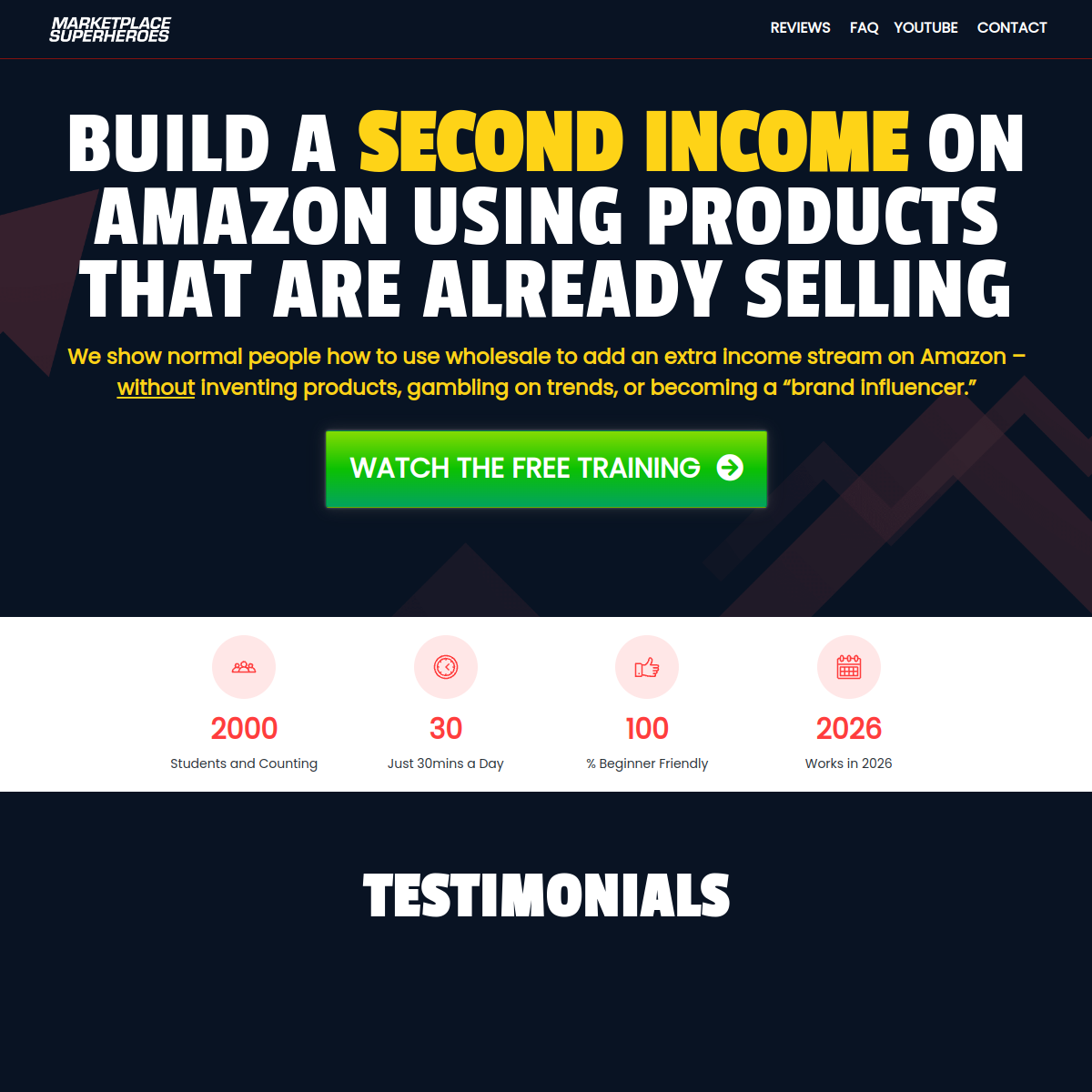
Most comparisons between Amazing Selling Machine (ASM) and Marketplace Superheroes (MPSH) go wrong in the first 30 seconds, because people assume they’re competing “courses.” They’re not, at least not in the way that matters.
ASM is positioned as a structured, coaching-forward program built around private label (build your own brand and product). Marketplace Superheroes publicly positions its approach around wholesale (selling established brands without inventing products). That single difference changes everything: your budget, your timeline, your risks, and the type of work you’ll be doing week to week.

ASM vs Marketplace Superheroes – Quick answer: which one fits you?
Choose ASM if you want…
- Private label brand-building (you own the listing and build a brand asset over time).
- Structure + coaching to help you execute: product research → sourcing → listing → launch → PPC → scaling.
- A program that’s designed around creating a differentiated product, not sourcing existing brands.
- You have enough budget to fund inventory + testing (samples, freight, early PPC).
Choose Marketplace Superheroes if you want…
- Wholesale-first (sell established brands without product development).
- A model that can feel more straightforward early on (no product design, no packaging decisions).
- A path where the key skill is supplier accounts + approvals, not branding and differentiation.
- Lower appetite for “inventing a product,” but willingness to learn the wholesale constraints.
If you want the full fit-based verdict on ASM (worth it vs not), start with Amazing Selling Machine review. If you want other options grouped by category (tools-first, wholesale-first, lower-cost), use Amazing Selling Machine alternatives.
The real difference: business model, not “course quality”
Here’s the cleanest way to think about it:
- Private label (ASM path): you develop (or adapt) a product, create a brand, and control your listing. Your advantage comes from differentiation, conversion, and long-term brand equity.
- Wholesale (MPSH path): you source existing brands from legitimate suppliers and compete mainly on availability, pricing, and operational execution (and sometimes relationships/approvals). You’re often selling on shared listings where you don’t control the page.
Neither is “easy.” They just push difficulty into different places. Private label is product and marketing heavy. Wholesale is sourcing, approvals, and operational discipline heavy.
ASM (private label): what you should expect to do
If you choose ASM, the work typically looks like this:
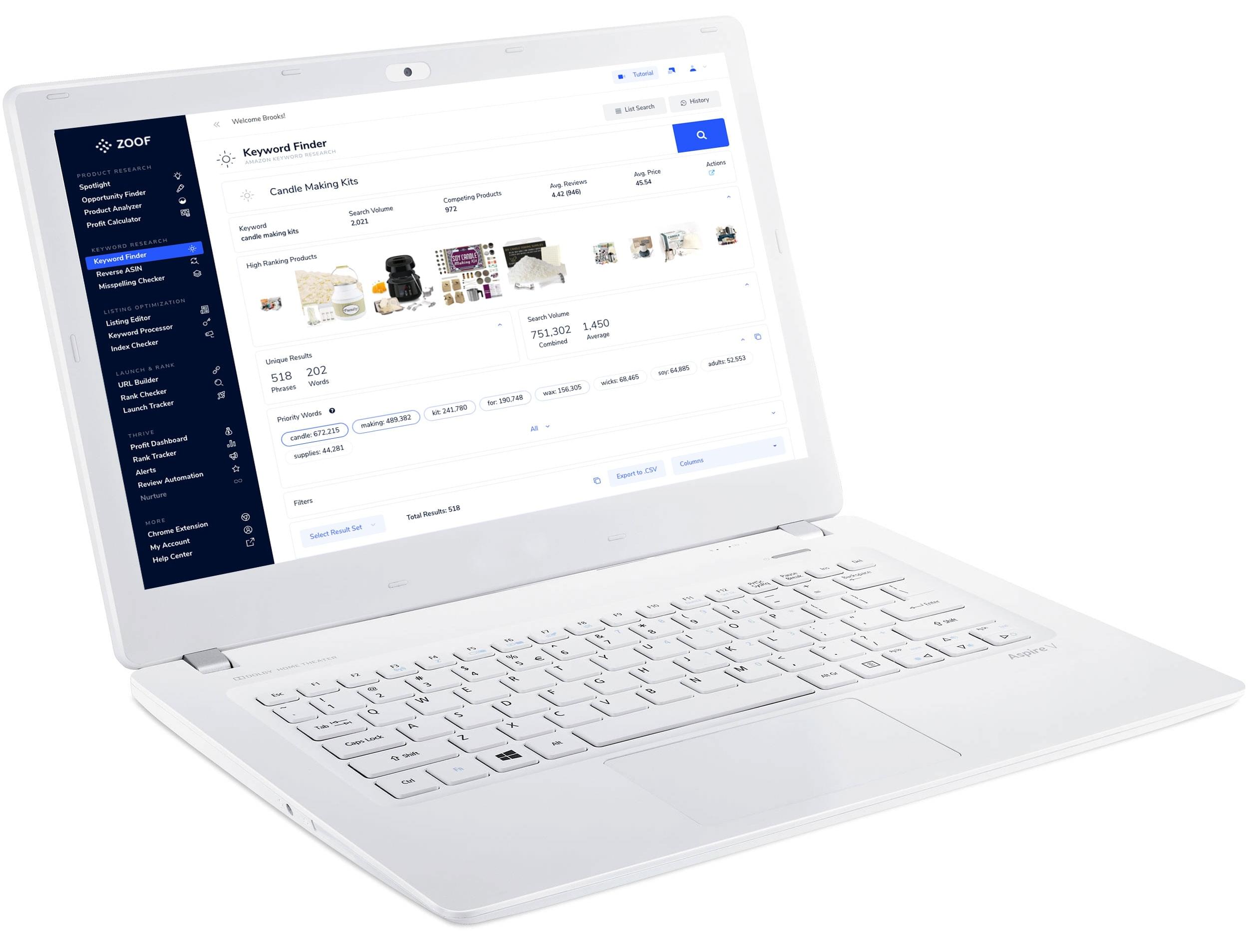
- Research products and pick a niche you can actually compete in
- Find suppliers, request samples, negotiate, and lock specs
- Create brand assets and build a listing that converts (images + copy + keyword intent)
- Launch, then learn PPC without overspending
- Scale: inventory planning, ops, and expansion
If you want the exact fee mechanics (including any “after 1 year” language), read Amazing Selling Machine pricing.
Marketplace Superheroes (wholesale): what you should expect to do
Wholesale is not “no work.” It’s different work. The center of gravity shifts to:
- Finding wholesale suppliers and opening accounts
- Getting approved to sell certain brands/categories
- Evaluating product profitability with realistic fees and competition
- Managing inventory and pricing on shared listings
- Operational consistency (reorder cycles, cash flow discipline)
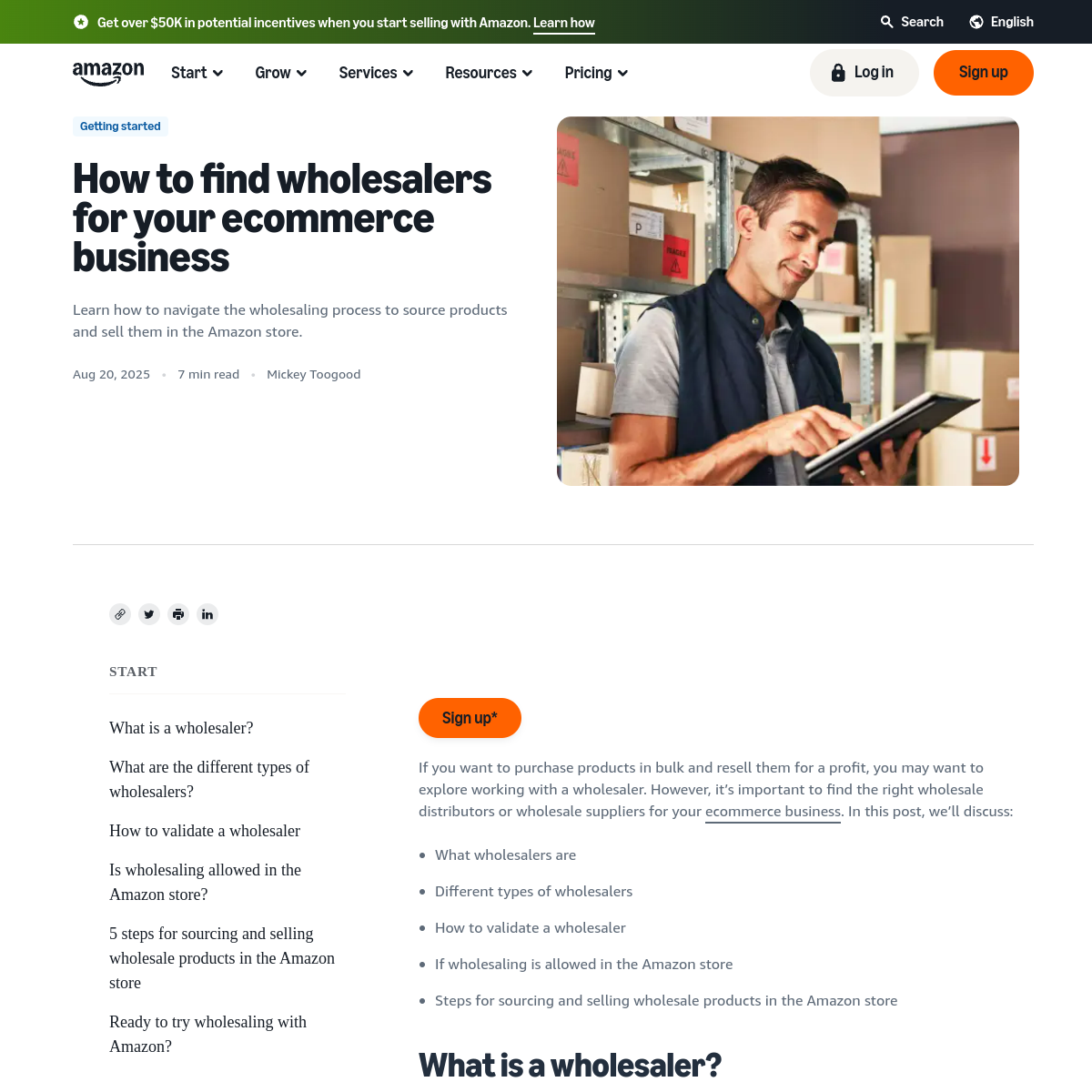
Video: A Marketplace SuperHeroes walkthrough on Amazon wholesale. Useful for understanding how they frame the model and the early-stage workflow.

Cost expectations: “cheaper” depends on what you mean
People often assume wholesale is automatically cheaper than private label. Sometimes it is. Sometimes it isn’t. A more honest way to compare costs is to compare what you must fund early:
Private label early costs (ASM path)
- Multiple sample rounds
- Packaging/creative assets (even lean versions)
- A first inventory order sized to test demand
- Freight/shipping timelines and buffer
- PPC testing budget (learning spend)
Wholesale early costs (MPSH path)
- Opening supplier accounts and meeting minimum order requirements
- Initial inventory buys across multiple SKUs (often smaller bets, but multiple lines)
- Cash flow discipline (reorders can come faster than you expect)
- Tools/process for pricing, repricing strategy (if you compete on shared listings)
Either way, the course price is rarely your biggest line item. Inventory and iteration are. This is also why “worth it” depends on fit and follow-through, not on the course sales page.
Risk profile: what can go wrong in each model
Private label risks
- Product-market mismatch: the product doesn’t convert, or competition is stronger than expected.
- Quality issues: supplier inconsistency creates returns and bad reviews.
- PPC learning curve: you overspend before you learn structure and negatives.
- Inventory mistakes: stockouts or dead stock (both expensive in different ways).
Wholesale risks
- Brand approvals: you can’t sell what you want without approval (or you lose approval later).
- Shared listing competition: you don’t control the page; other sellers can race price down.
- Supplier fragility: accounts can be harder to open than you think, and terms can change.
- Operational pressure: you win by consistent sourcing and cash flow discipline, not by one “great product.”
If your “scam” fear is really “I don’t want to get trapped,” read Is Amazing Selling Machine legit? before you buy any high-ticket program. It’s a verification checklist, not a rant.
Comparison table: what matters most
| Category | ASM (Private Label) | Marketplace Superheroes (Wholesale) |
|---|---|---|
| Core model | Build your own brand/product | Sell existing brands via suppliers |
| You control | Your listing and positioning | Your sourcing and pricing discipline (often not the listing) |
| Skill bottleneck | Differentiation + conversion + PPC learning | Supplier accounts + approvals + operational consistency |
| Best for | Builders who want a brand asset | Operators who prefer sourcing existing brands |
| Common failure mode | Choosing a commodity product and overspending on ads | Weak supplier pipeline or price wars on shared listings |
Five real-world scenarios (and the pick that usually makes sense)
1) “I want to build an asset I actually own.”
That’s a private label motivation. ASM tends to make more sense because the model is about building a brand and controlling a listing over time.
2) “I don’t want product development. I want to sell proven brands.”
That’s wholesale. Marketplace Superheroes is the more natural fit if you accept the sourcing/approvals constraints and you’re comfortable competing operationally.
3) “I’m early, budget-sensitive, and I want lower-risk learning first.”
Start with alternatives and tool-first paths before paying for any high-ticket program: Amazing Selling Machine alternatives. You can always move into a coaching-forward program later once you know the model fits you.
4) “My problem is execution and accountability.”
ASM tends to win if you will actually use coaching calls to shorten decision time. If you won’t show up and implement, don’t pay for coaching.
5) “I’m confused about costs and ongoing fees.”
Don’t guess. Read the ASM fee breakdown first: Amazing Selling Machine pricing.
What should you read next?
- Fit-based verdict on ASM: Amazing Selling Machine review
- ASM pricing and fee structure: Amazing Selling Machine pricing
- Legit / scam checklist: Is Amazing Selling Machine legit?
- Other options by category: Amazing Selling Machine alternatives
- Back to the hub: Amazing Selling Machine (ASM)
Final editor’s note: don’t force yourself into a model you don’t actually want. If you want to build a brand, accept private label’s complexity. If you want to operate a sourcing business, accept wholesale’s approval and competition realities. The best program is the one that matches your constraints and the type of work you’re willing to do consistently.