Amazing Selling Machine Review (2026): Worth It If You Want Structure + Coaching — Skip If You Don’t
 admin
admin 
Amazing Selling Machine (ASM) is Amazing.com’s flagship Amazon FBA training program. People usually find it when they’re past the “what is Amazon FBA?” stage and stuck on a tougher question: do I want a coached, structured program—or do I just need tools and some training videos?
This Amazing Selling Machine review is built for that decision. I’ll cover what ASM is, what you’re actually buying (as advertised), the trade-offs that matter in real life (time, capital, execution), and who should buy versus who should walk away. No income promises. No “anyone can do this.” Just fit.
Amazing Selling Machine review Quick verdict
ASM is likely worth it if you…
- Want a step-by-step roadmap you can follow without building your own plan from scratch.
- Learn best with accountability (coaching calls, community cadence, weekly momentum).
- Are serious about private label / brand-building (not purely wholesale or arbitrage).
- Have working capital for inventory, samples, shipping, and early PPC testing.
ASM is probably not worth it if you…
- Need the cheapest way to learn Amazon basics (you’ll resent the price).
- Want a tools-first subscription and prefer self-serve learning (tool ecosystems may fit better).
- Don’t have budget for inventory/launch costs (training can’t replace capital).
- Want guaranteed outcomes (no legitimate program can offer that).
If you want the shorter “yes/no checklist” version of this decision, use Is ASM worth the money? (same verdict logic, fewer details).
What Amazing Selling Machine (ASM) is ?
ASM is a guided training program designed around the typical private label workflow: you research a product opportunity, source it, build a listing (including keyword work), launch, and then learn to stabilize and grow with ads and operational planning.
Here’s the important nuance: at first glance, ASM looks like “a big course.” In practice, it’s positioned as implementation training with recurring support. That can be a real advantage for beginners—if you actually use it.
Video: Quick overview of how Amazon FBA works (useful context before comparing any FBA course).
If you’re looking for a broader hub with comparisons and next reading paths, go back to Amazing Selling Machine (ASM).
What you get (as advertised)
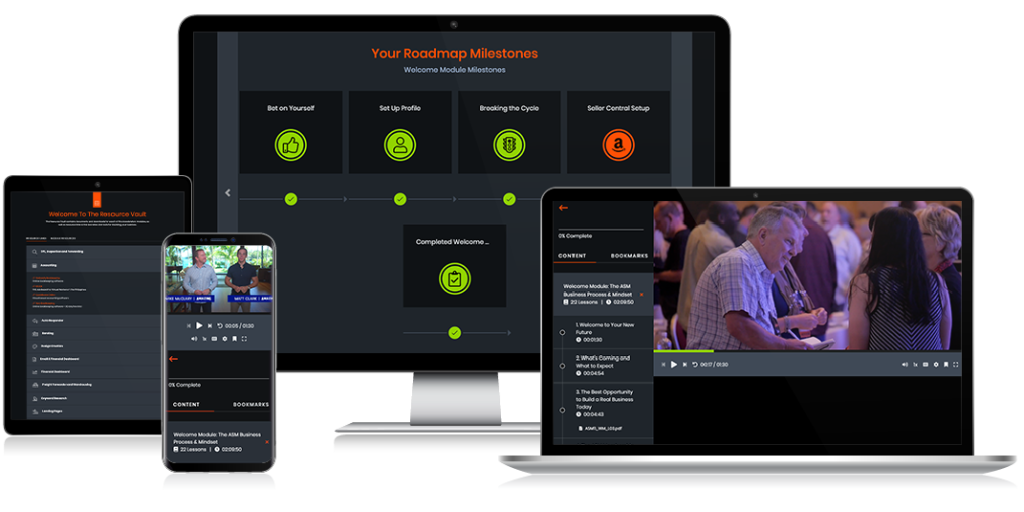
ASM is promoted as a structured library of training plus weekly coaching and a “resource vault / tools” layer. The offer messaging typically emphasizes:
- Training content: 12-module structure, 120+ lessons, 20+ hours (counts are as stated in the offer).
- Coaching: weekly live coaching calls (promoted as “52 weeks” of calls).
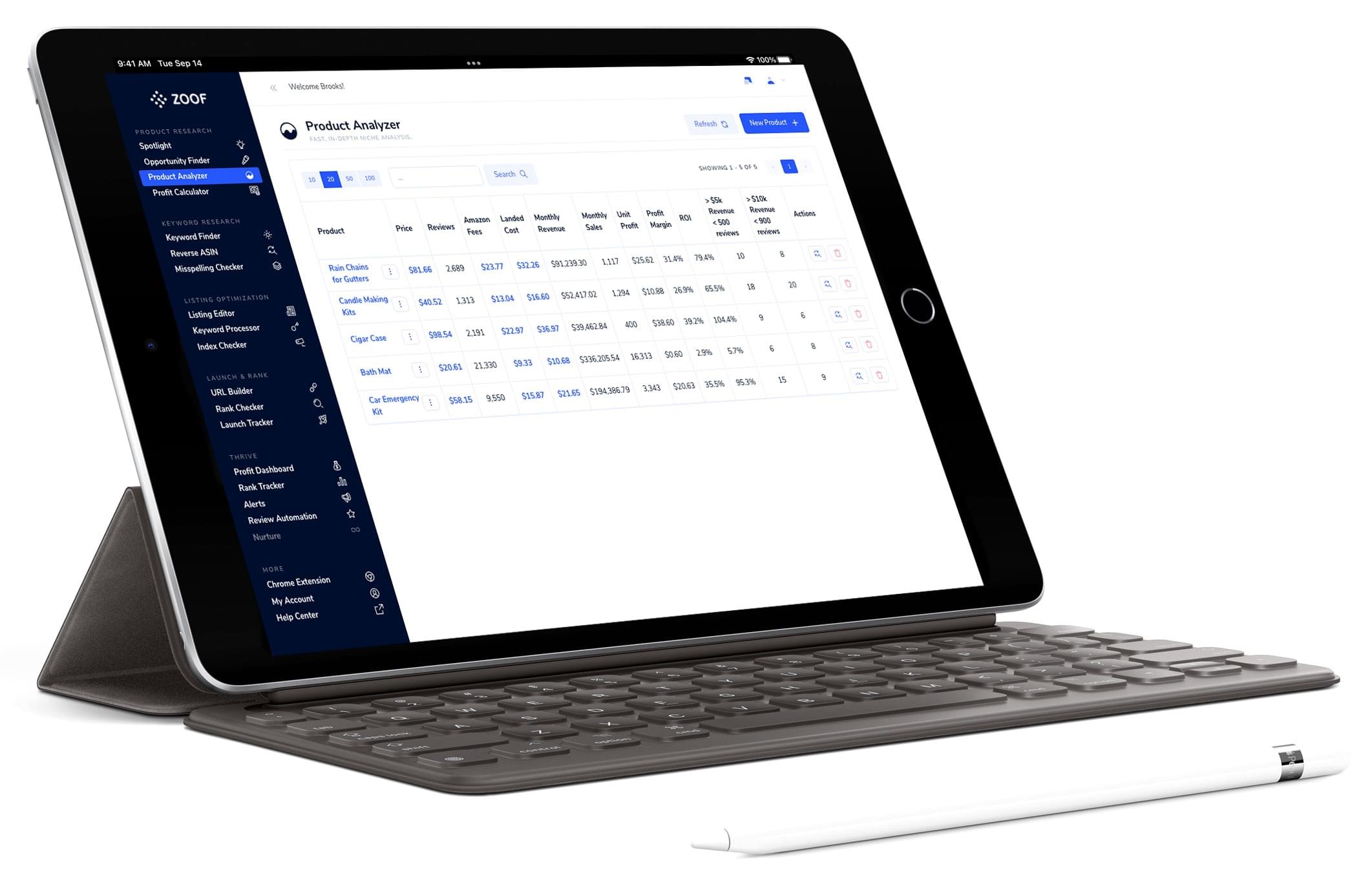
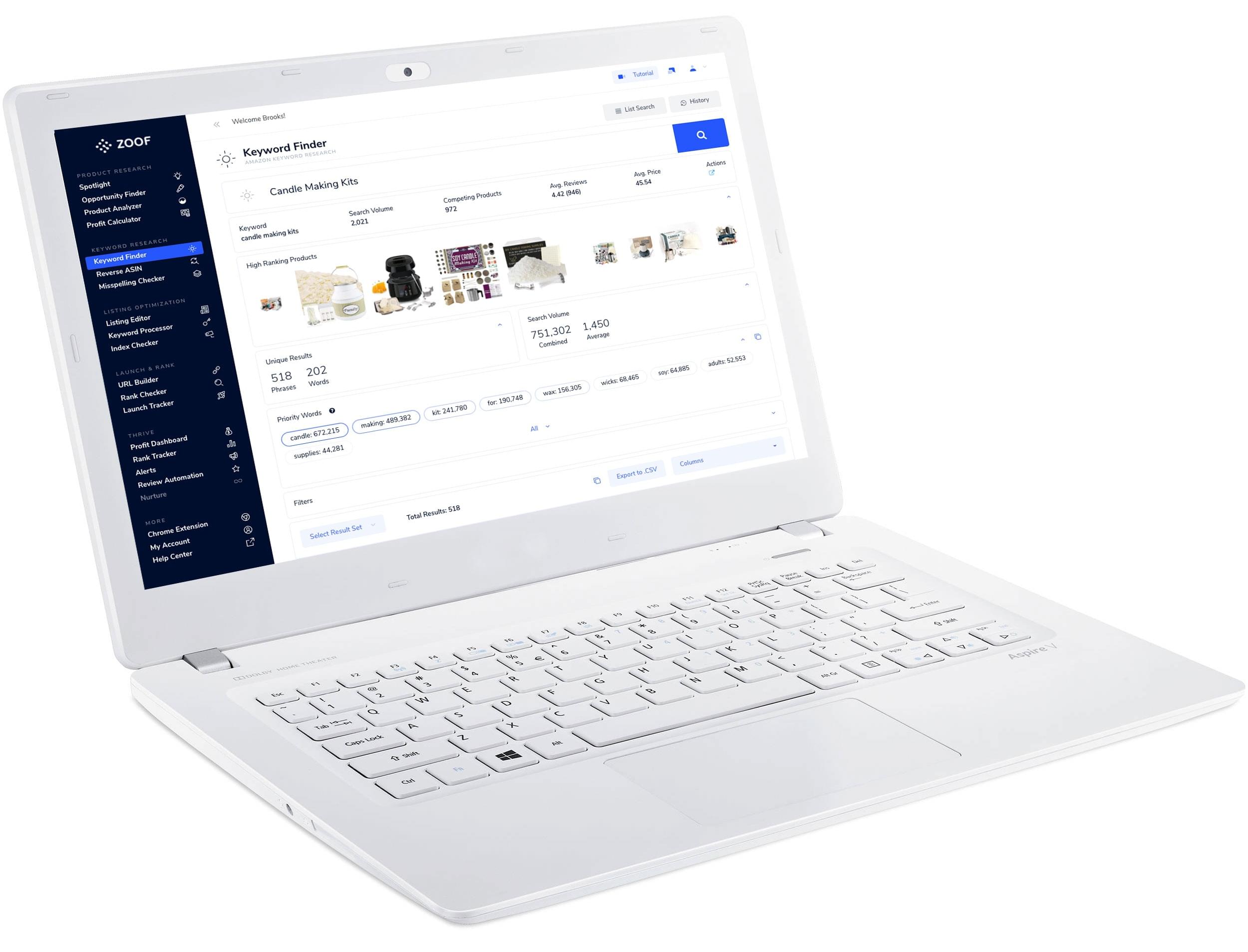
- Tools/software positioning: product/keyword research support and supporting resources.
- Private resource vault: vendor/resource angle (varies by offer version).
I’m calling this “as advertised” for a reason: the only safe way to treat course deliverables is as a list you verify at checkout. Programs change modules, tools, bonuses, and access terms over time. This is why a pricing page matters as much as a review.
Instructors shown on the ASM offer page



Instructor credibility is helpful—but it’s not the deciding factor. The real deciding factor is whether the program helps you execute the work you’re avoiding: choosing a viable product, negotiating with suppliers, creating a listing that converts, and learning PPC without setting money on fire.
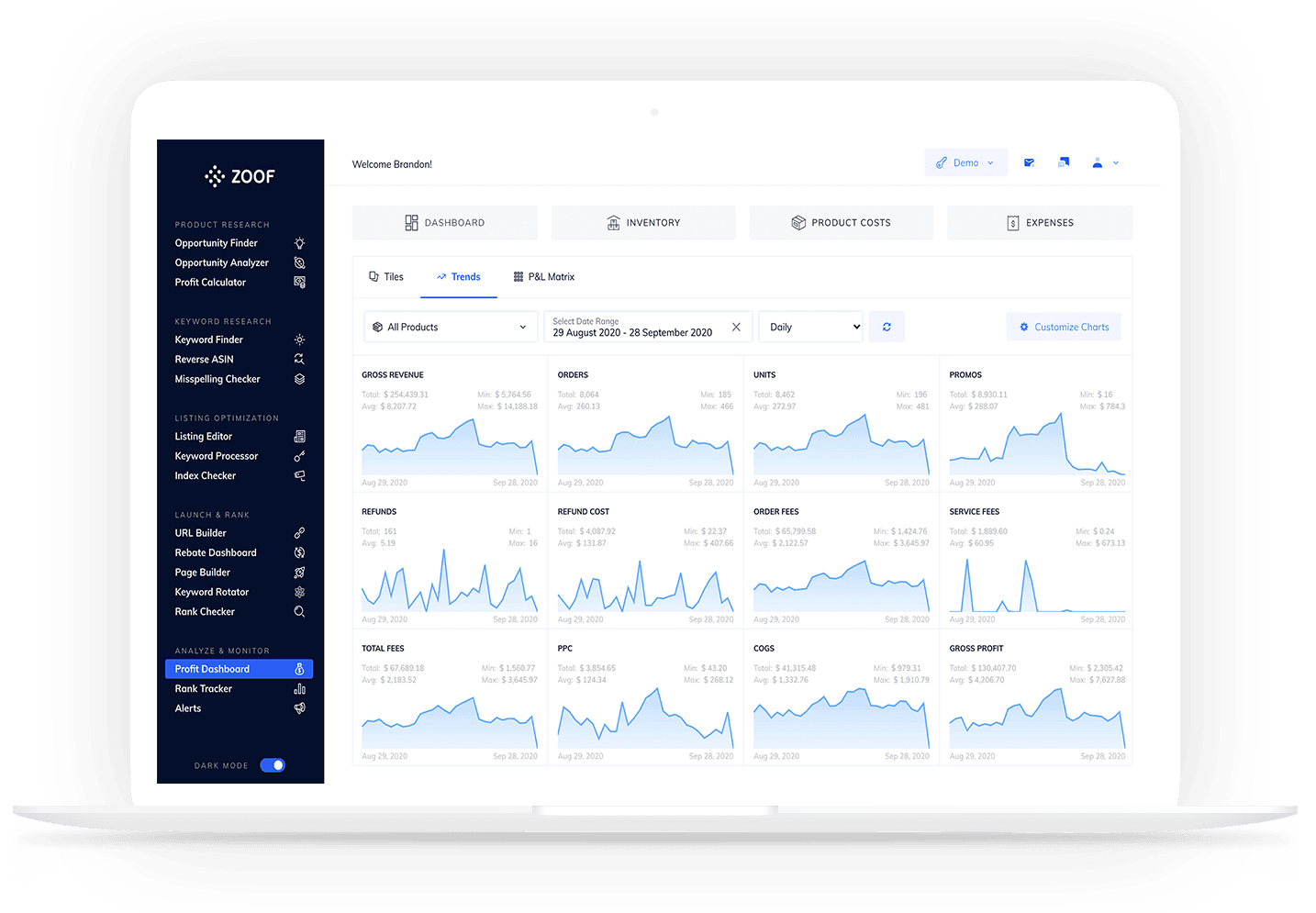
The tools/software angle (what that means in practice)
ASM’s offer messaging often highlights tools/software intended to support product research and keyword work. This is worth paying attention to because tool positioning is where course buyers get confused:
- Some programs use “tools” as a light bonus—nice to have, not essential.
- Others make tools part of the workflow—meaning you’re buying both a course and a tool layer (and sometimes that affects ongoing fees).
The practical question isn’t “are the tools good?” It’s: do they reduce your decision time, or do they just add more dashboards? If tools help you move from research to action, great. If tools become your new procrastination hobby, they’re a cost center.
Coaching: when it’s genuinely valuable (and when it isn’t)
Weekly coaching calls are a major part of ASM’s positioning, and they can be a real advantage—if you use them the right way. Coaching is usually most valuable when you’re at decision points:
- Product selection (where beginners overestimate demand or underestimate competition)
- Supplier selection and sampling (where small mistakes become expensive later)
- Listing and launch planning (where you need a realistic sequence, not a hype plan)
- PPC structure and optimization (where it’s easy to overspend early)
The less useful version of coaching is when you show up with vague questions like “what product should I sell?” A better approach is: show up with two options, your reasoning, your data, and ask for a decision critique. That’s how coaching becomes a multiplier.
Video: PPC is where many first launches get expensive. Use a walkthrough like this to judge whether a program’s ad training is “enough” for you.
The real cost of ASM (and why people underestimate it)
Here’s the part most reviews soften: the course fee is rarely the biggest cost in your first year on Amazon. The biggest costs usually come from inventory and iteration—because you don’t learn private label in theory. You learn it by ordering, listing, launching, and adjusting.
If you buy ASM, you should assume you’ll still need budget for:
- Samples: multiple rounds if the first batch isn’t right
- Inventory: enough to test demand without going out of stock immediately
- Shipping/freight: costs and timelines that don’t always behave
- PPC testing: learning spend while you gather data
- Brand assets: packaging, images, and listing creative (even if you keep it lean)
This is why “worth it” is not purely about course quality. It’s about whether ASM helps you avoid expensive mistakes and move faster through the messy middle. If you’re under-capitalized, the best course in the world won’t feel worth it— because you won’t be able to run the experiments the course expects.
Pricing (date-stamped) + the “after 1 year” fee
Offer snapshot checked: Feb 28, 2026. The ASM offer page showed an upfront price of $1,997, with language indicating $97/month after 1 year and “cancel anytime.”
ASM vs PAC – Side-by-Side Comparison
| Feature | ASM | PAC |
| ✅ Price | ~$4,997 | ~$499 (one-time) |
| ✅ Step-by-step system | ✔️ Very structured | ⚠️ Self-paced, less guided |
| ✅ Private-label focus | ✔️ Core method | ❌ Covers many models (not deep) |
| ✅ Support & mentorship | ✔️ Weekly calls, active group | ⚠️ Forum + email only |
| ✅ Tools & templates | ✔️ Built-in | ❌ Some resources, less actionable |
| ✅ Updates included | ✔️ Lifetime | ✔️ Lifetime |
Two practical notes:
- Pricing and bonuses change. Treat any blog price (including this page) as “accurate on publish date,” then verify on the official checkout.
- Recurring fees change how you should think about the purchase. If access becomes subscription-based after a year, your “total cost” depends on how long you keep access.
If you want the clean breakdown (what you pay, when you pay, what’s included, and what “after 1 year” means in real life), go to Amazing Selling Machine pricing.
Refund policy: what matters (without legal jargon)
ASM is advertised with a money-back guarantee window. The detail that matters most is timing: refund periods commonly start when access begins, not when you “start watching.”

If you’re risk-sensitive (which is smart), read ASM refund policy before purchasing. That page is written as a checklist so you don’t get surprised by timing, process, or expectations.
Pros and cons (the ones that actually matter)
Pros
- Structured roadmap: helpful for beginners who don’t know what to do first, second, and third.
- Coaching cadence: weekly calls can reduce “stuck time” if you use them properly.
- End-to-end coverage: research → sourcing → listing → launch → PPC → scaling is the right mental model.
- Tools positioning: if the tools are integrated into the workflow, they may speed up research and keyword decisions.
Cons
- High-ticket price point: if you’re budget-constrained, you may be better served by a tool-first learning path.
- Private label requires capital: the course fee is only part of what you’ll spend to launch responsibly.
- Execution burden: no course removes the work of supplier management, listing creation, and ad learning.
- Not for “business model tourists”: if you’re unsure whether you even want private label, this can be the wrong place to start.
Who should buy ASM (3 realistic scenarios)
Scenario 1: You’re a beginner and you want a coached plan
If you’ve tried piecing together free videos and you keep circling the same questions (“what product?” “how do I launch?”), ASM can make sense because you’re paying for structure and repeated decision support. You’re buying fewer unknowns, not fewer tasks.
Scenario 2: You have some capital and you want to avoid expensive mistakes
If you can actually fund a first product launch, a program that helps you avoid the obvious traps (bad supplier, poor listing structure, sloppy PPC) can pay back quickly. The value isn’t “secret tactics.” It’s decision quality.
Scenario 3: You want accountability to finish what you start
Some people don’t need more information—they need a weekly rhythm that forces implementation. If that’s you, coaching calls can be worth more than the curriculum itself.
Bonuses & Coupons (If You’re Ready to Join ASM)
If you’re going to invest nearly $5,000 into your future…Let’s make sure you get every possible advantage.
When you join Amazing Selling Machine through my affiliate link, you’ll get exclusive bonuses I’ve personally created to shortcut your launch and maximize ROI.
| Bonus | Value |
| 📘 FBA Niche Validation Sheet – 15+ profitable micro-niches ASM ignores | $197 |
| 📑 Amazon Listing Copy Template Pack – Plug-and-play headlines, bullets, emails | $147 |
| 📊 Launch Cost Calculator (pre-built) – Plan your entire first product budget | $97 |
| 🎥 Private Onboarding Call (30min) – 1-on-1 roadmap call to plan your next 90 days | $297 |
| 🔁 Bonus Vault Access – Swipe file of past product launches, supplier templates | $247 |
Who should skip ASM (and what to do instead)
You should strongly consider skipping ASM if you don’t have the budget to launch a product responsibly or if you don’t want private label. In those cases, you’re not failing—you’re choosing a path that matches your constraints.
If you want a structured list of other options (tool-first, lower-cost, different models), use Amazing Selling Machine alternatives
So… is Amazing Selling Machine worth it?
My honest take: ASM is “worth it” for a specific buyer—someone who wants private label, has working capital, and will use coaching and structure to execute. It’s not worth it for someone looking for a cheap education, a guaranteed outcome, or a business model that doesn’t match private label realities.
If, after that, ASM still fits your situation, here’s the lowest-pressure next step:
If you’re close to buying, do two things before you commit:
- Confirm the latest pricing/fee structure on Amazing Selling Machine pricing.
- Read ASM refund policy so you understand the guarantee clock and process.
Frequently Asked Questions about ASM
Is ASM really worth the $4,997 in 2025?
- If you’re serious about building a private label business and have working capital—yes.
- If you’re looking for a side hustle under $2,000—probably not.
It’s not a “get-rich” hack. It’s a guided business system.
Does ASM offer a money-back guarantee?
Try the course. If it’s not for you, just email them—no questions asked.
How much more money will I need beyond the course?
- Inventory (initial order)
- Amazon ads (PPC)
- Tools (Helium 10, email, etc.)
Total realistic launch cost: ~$7,000–$9,000
How long does it take to launch after joining?
Can I succeed without prior experience?
ASM was built assuming you know nothing about Amazon, sourcing, or branding.