
 admin
admin 
If you’re brand new to Amazon FBA, “Is Amazing Selling Machine good for beginners?” is a fair question—and it deserves a grounded answer. ASM is positioned as a structured, step-by-step program with ongoing support. That can be exactly what a beginner needs. But there’s a catch that most people learn too late: Amazon private label is not just learning. It’s execution, inventory, and iteration.
This page helps you self-qualify before you spend real money. We’ll cover what beginners typically get from ASM, what beginners commonly misunderstand, the minimum readiness checklist, and what to read next (pricing, refunds, onboarding).
The honest answer: yes, beginners can use ASM—if they meet the real prerequisites
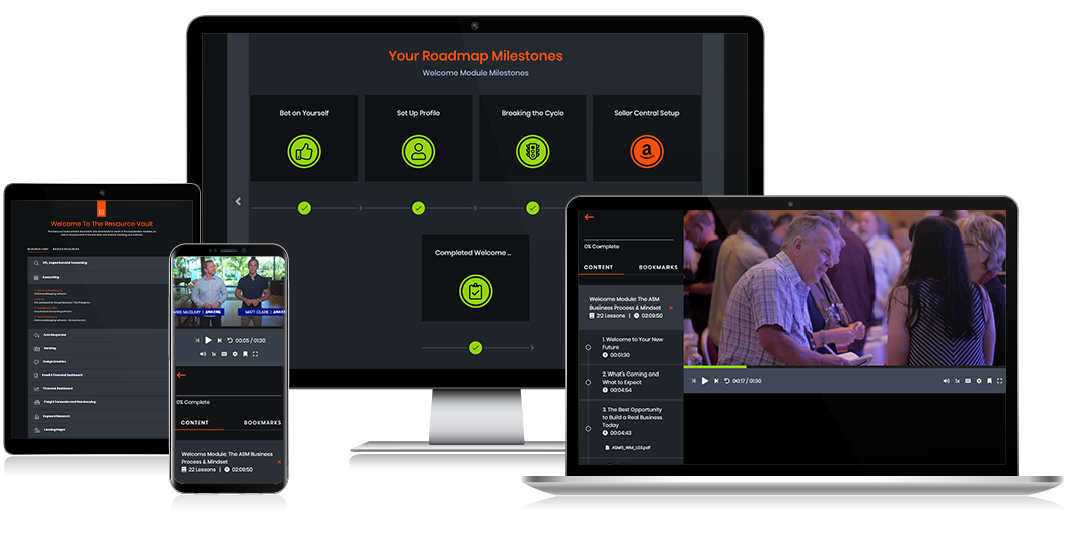
ASM can be beginner-friendly because it’s built around a sequence: research → sourcing → listing → launch → PPC → scaling. Beginners usually struggle with sequencing more than anything else. They don’t know what to do first, and they waste months in the wrong place.
But ASM is not beginner-cheap. Even if the training is excellent, you still need the budget and patience to launch responsibly. If you don’t have working capital for inventory and early testing, the program can feel “not worth it” even when the training itself is solid.
If you want a full fit-based verdict (worth it vs not), read Amazing Selling Machine review.
Beginner “fit” checklist (quick self-qualify)
You’re a decent fit if most of these are true
- You can commit consistent time for 8–12 weeks (not just weekends).
- You can fund samples, inventory, shipping/freight, and early PPC testing.
- You want to build a private label product/brand (not only wholesale/arbitrage).
- You learn better with structure and support than with random tutorials.
- You’re comfortable with uncertainty and iteration (launches are experiments).
You should pause if any of these are true
- You need a “guaranteed outcome” to feel safe.
- You can’t fund inventory or testing (you’re hoping the course replaces capital).
- You don’t want to deal with suppliers, samples, shipping, and operational detail.
- You’re not sure you even want private label as a business model.

The two pages that prevent the most beginner regret are: Amazing Selling Machine pricing and Amazing Selling Machine refund policy.
Beginner pitfalls ASM won’t magically remove
A structured program can reduce beginner mistakes, but it can’t remove the reality of the model. Here are the pitfalls that still apply.
Pitfall 1: Treating “research” as progress
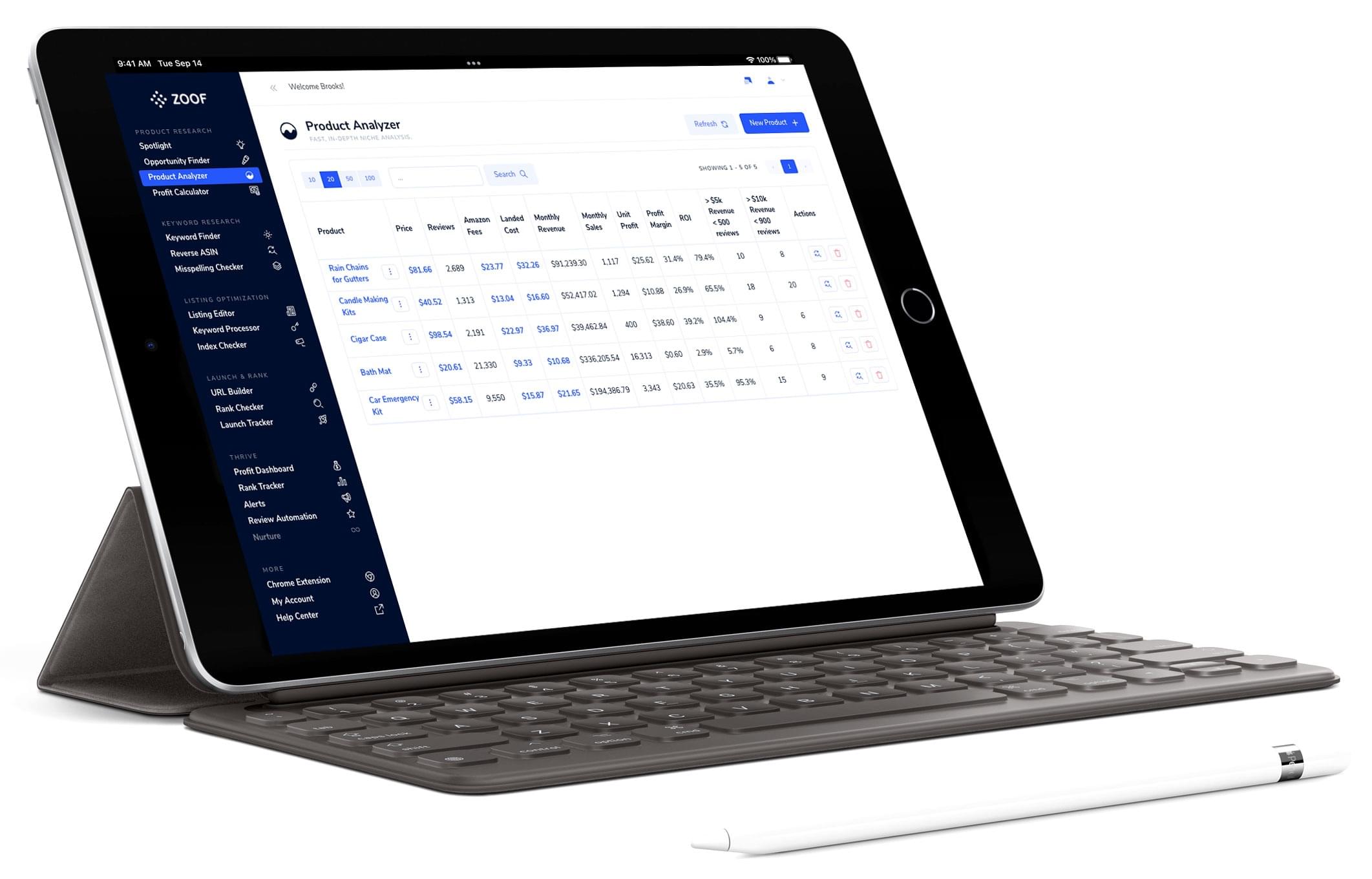
Beginners often spend weeks inside product tools without ever making a decision. Tools can help—especially for narrowing a shortlist—but they can also become avoidance. A strong program should push you toward outputs: shortlist, supplier outreach, samples, listing draft.
Pitfall 2: Underestimating supplier and quality friction
Beginners assume sourcing is a “pick a supplier” step. In reality it’s often a loop: outreach, samples, adjustments, new samples, negotiation, and then production. That’s not a reason to quit—it’s just the part you should expect.
Pitfall 3: Thinking PPC is optional
Some products can get traction organically, but most beginners will need to learn PPC at least at a basic level. PPC is also where beginners overspend. A program’s value is partly how well it helps you create a controlled testing process.
Video: A beginner-friendly PPC walkthrough. Watching a practical overview helps you understand the learning curve you’re buying into.
Pitfall 4: Confusing “course cost” with “launch cost”
This is the biggest beginner trap. If your budget only covers training, you’re not really funding a launch. You’re funding education without the experiments that make education useful.
Budget reality (beginner-friendly breakdown)
Your actual spend will vary wildly by product type, shipping method, and how aggressive your launch is. But beginners should think in categories, not single numbers:
- Samples: often multiple rounds
- Inventory: your first order (and potentially a reorder faster than you expect)
- Shipping/freight: costs and timeline buffer
- PPC testing: early ad spend is partly “tuition”
- Creative assets: images, packaging, listing creative
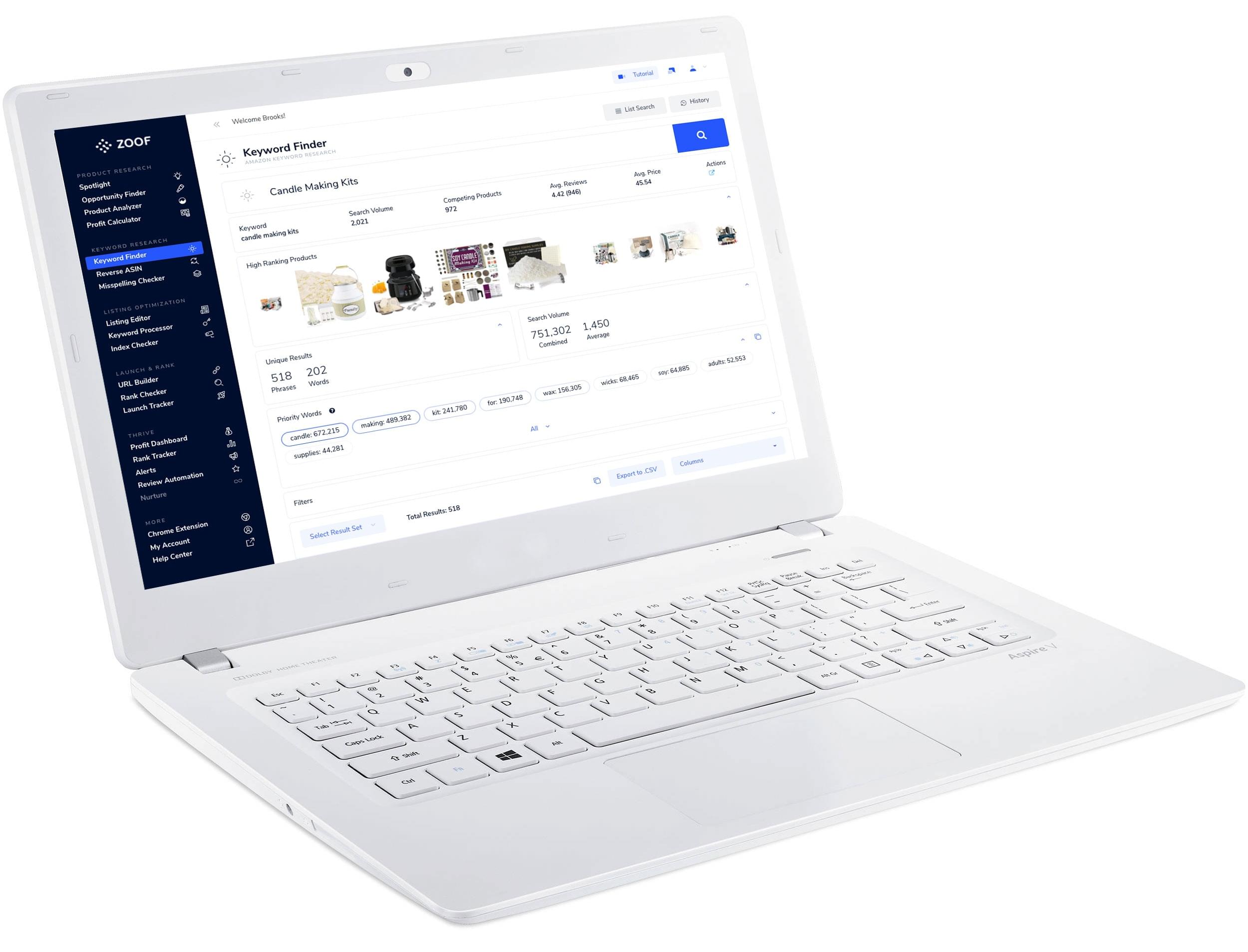
If you want a clear breakdown of what you pay (and when), including any “after 1 year” fee language, read: Amazing Selling Machine pricing.
Time reality: what a beginner “first pass” usually looks like
A realistic beginner timeline is not “weekend hustle → launch next week.” It’s closer to a 8–12 week execution sprint, plus shipping variables. What matters is consistency:
- Weeks 1–4: research + shortlist + supplier outreach + sampling begins
- Weeks 5–8: sourcing decisions + listing build + creative assets + launch plan
- Weeks 9–12: launch + PPC testing + optimization loop + inventory planning
If you want a simple onboarding plan (first 7 days / first 30 days) to reduce overwhelm, use: How to use Amazing Selling Machine.

Video: A clear overview of how FBA works. Helpful context if you’re still new to Amazon operations.
Refund timing: beginners should read this before buying
Beginners often buy a program, don’t log in for a week or two, and then realize the refund window is already moving. Refund windows commonly begin when access begins, not when you feel ready.
Read this checklist before you purchase: Amazing Selling Machine refund policy.
If you’re still unsure: use the “legit vs fit” framework
Many beginners search “scam” when they really mean “I’m scared of wasting money.” That fear is valid. The best response is to verify what’s verifiable, and then make a fit decision based on constraints.
If you want the calm verification checklist, read: Is Amazing Selling Machine legit?
What to do next (pick one path)
- If you want the full verdict: Amazing Selling Machine review
- If you’re price-checking: Amazing Selling Machine pricing
- If you want the refund checklist: Amazing Selling Machine refund policy
- If you want onboarding steps: How to use Amazing Selling Machine
- If you want the full hub: Amazing Selling Machine (ASM)
Final note for beginners: don’t buy ASM as a motivation purchase. Buy it if it will change your execution. If your budget or time reality isn’t there yet, start with lower-risk learning and come back when you can fund a real launch.