
 admin
admin 
The word “scam” gets used loosely in the online course world. Sometimes it means “fraud.” More often, it means “I paid a lot and didn’t get the outcome I expected.” Those are not the same problem.
This page is a legit-check for Amazing Selling Machine (ASM) that stays in the useful lane: what you can verify, what you can’t, the red flags that matter (for any Amazon FBA course), and a concrete process to decide whether ASM is a reasonable purchase for you. No drama. No accusations. No income promises.

The short answer
ASM appears to be a real commercial training product with a defined program, official support contact, and published terms. That said, “legit” does not mean “right for you,” and it definitely does not mean “guaranteed results.”
In practice, most people who feel burned by a course like ASM fall into one (or more) of these buckets:
- They underestimated the non-course costs (inventory, freight, PPC testing).
- They expected a course to remove business-model risk (it won’t).
- They bought during a high-pressure moment and didn’t audit the offer early.
- They misunderstood refund timing or waited too long to act.
If you want the fit-based verdict (worth it vs not), read Amazing Selling Machine review. If your main concern is “what if I regret it?”, start with the refund checklist on ASM refund policy.
First, separate two kinds of risk
1) Provider risk (is the offer real?)
Provider risk is about whether the company exists, whether terms are published, whether support channels are real, whether refund policy language is present, and whether the offer is consistent at checkout.
2) Business-model risk (will private label work for me?)
Amazon private label is not risk-free. Product selection, supplier quality, differentiation, reviews, and advertising are all real constraints. A course can teach a workflow and reduce mistakes. It cannot guarantee product-market fit.
Many “ASM scam” searches are actually business-model fear. That’s understandable. But it’s important to name it correctly, because the solution is different: a different business model, a different budget, or a different learning path—not necessarily a different course.
What you can verify (hard signals)
If you want an evidence-first approach, focus on verifiable signals. These don’t prove you’ll succeed—but they do reduce “provider risk.”
1) Official pages, on official domains
- Official ASM offer page exists and is accessible.
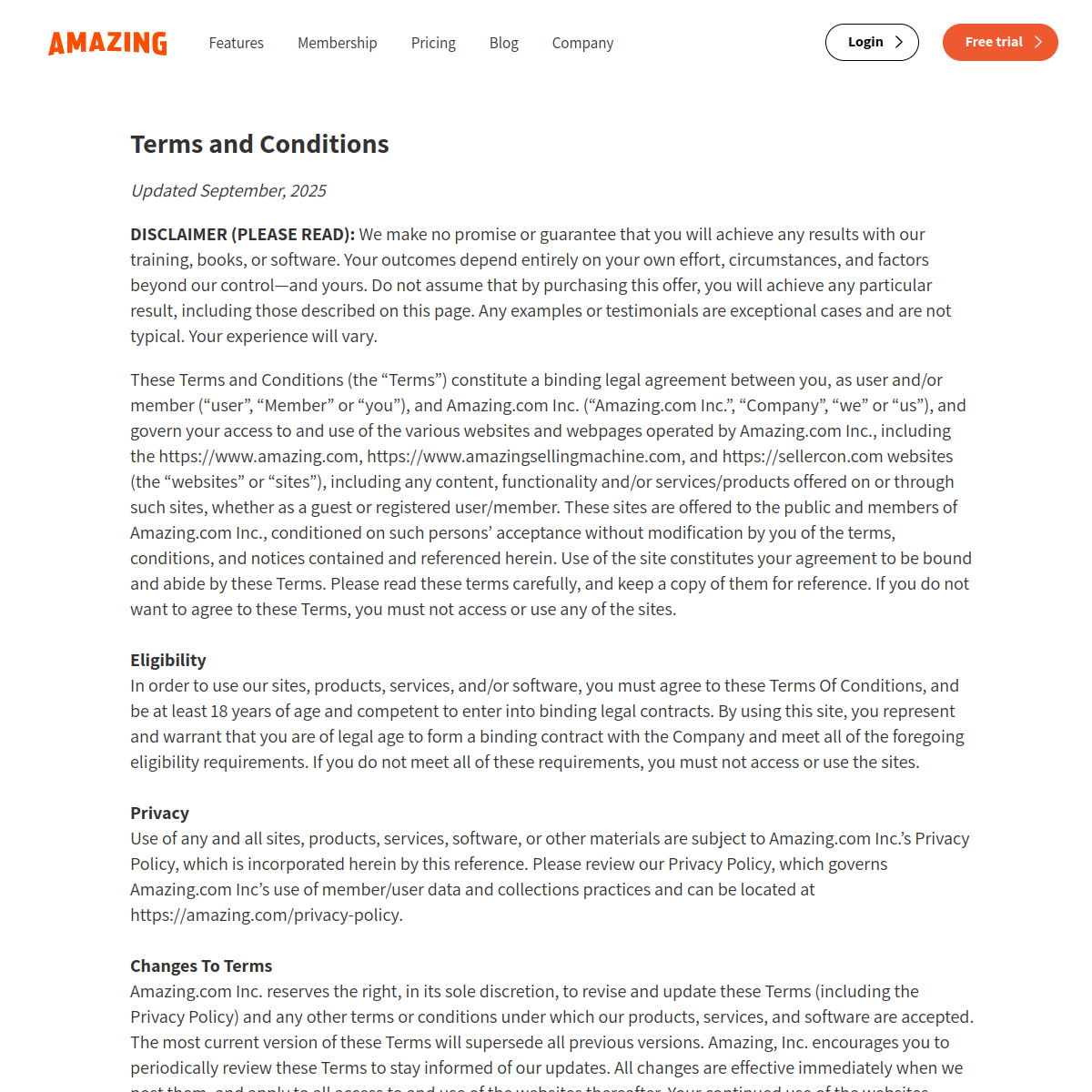
- Amazing.com publishes a Terms of Service page.
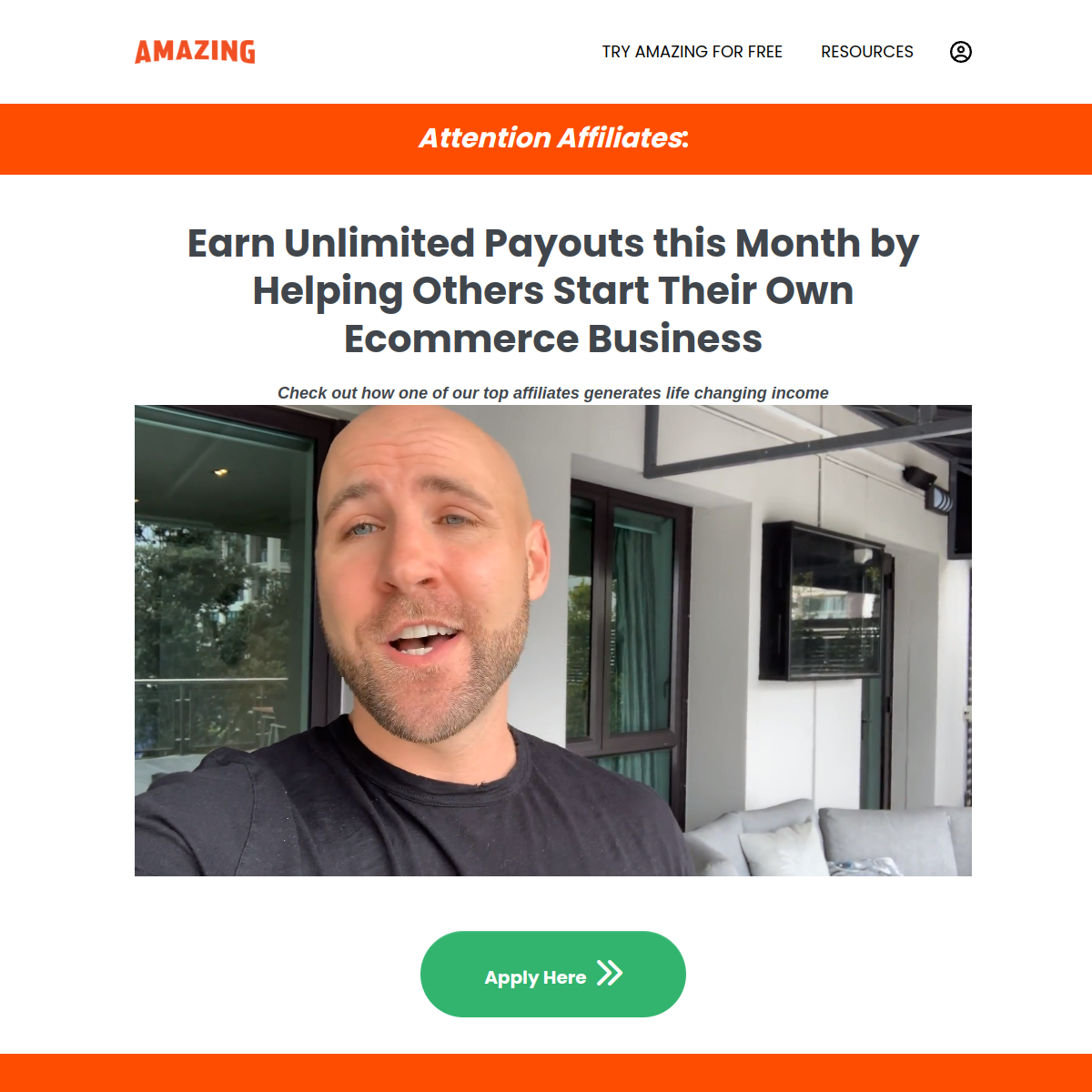
- Amazing.com publishes affiliate program information (which also helps you interpret biased reviews).
2) Refund timing is explicitly described
One of the clearest signs a company expects refunds (and has a process) is detailed language about refund timing and how requests are handled. The operational detail that matters most is typically: when the refund window starts. If the clock begins when access begins, that can be earlier than people assume.

3) Affiliate incentives exist (and are disclosed by the provider)
Amazing.com runs an affiliate program and publishes commission information. This is not automatically a red flag—affiliate programs are common— but it does matter for how you read “reviews” on the internet.
What you cannot verify (and what you should never buy on)
These are the claims that are either inherently unverifiable or too easy to manipulate:
- Income screenshots (even when real, they don’t prove “typical results”).
- “Students made X” testimonials without context (budget, timing, category, ad spend, experience).
- Short-term success stories presented as if they’re stable businesses.
- Hype claims that ignore the real constraints: differentiation, reviews, advertising, supply chain.
A good rule: if the decision depends on believing a result story, you’re already in a weak decision position. Better decisions come from understanding deliverables, terms, and whether you will implement the workflow consistently.
Why people call ASM a scam (the common patterns)
When people say “ASM is a scam,” it usually maps to a few repeating issues:
1) The price is high, and expectations drift
High-ticket programs create a dangerous psychological shortcut: “If it costs a lot, it must solve a lot.” But no Amazon FBA course can remove market risk. Paying more can buy structure and support—not certainty.
2) Heavy marketing creates distrust
Aggressive marketing doesn’t prove fraud, but it can create a trust gap. The practical response is simple: ignore the vibe, and verify the terms.
3) Affiliate-driven content makes reviews unreliable
Affiliate commissions can motivate “reviews” that are basically a sales funnel. The fix isn’t to distrust everyone. The fix is to weigh evidence: offer terms, refund policy language, and independent discussions—while still remembering that independent discussions can be biased in the opposite direction.
4) Refund timing misunderstandings
A lot of refund frustration comes down to the clock. If someone assumes the refund window starts when they “really start the course,” but the terms treat access as Day 1, you get conflict. This is why I recommend reading the refund checklist before you purchase: ASM refund policy.
Red flags checklist (for any Amazon FBA course)
If you only want one “scam defense” tool, use this checklist. The more of these you see, the more cautious you should be:
- Guaranteed income claims or “risk-free profits” messaging.
- Vague deliverables (“you’ll get everything you need”) with no clear program outline.
- Hidden fees or unclear recurring charges.
- Unclear refund timing or a refund policy that’s hard to find.
- Pressure tactics that discourage reading terms (“don’t overthink it—just join”).
- No working examples of support (no clear email, no clear process).
Video: FTC guidance on business coaching scams and how to protect a small business. Useful framework—even when a program is “real.”
How to vet ASM specifically (a 10-minute process)
If you want to evaluate ASM quickly and calmly, here’s a practical process:
- Verify the official offer page and domain. Make sure you’re not on a look-alike page.
- Screenshot the pricing and fee language. Especially anything like “$97/month after 1 year” and “cancel anytime.”
- Read refund timing and cancellation steps. Don’t just read “30-day guarantee.” Read when the clock starts and how to request. Use: ASM refund policy.
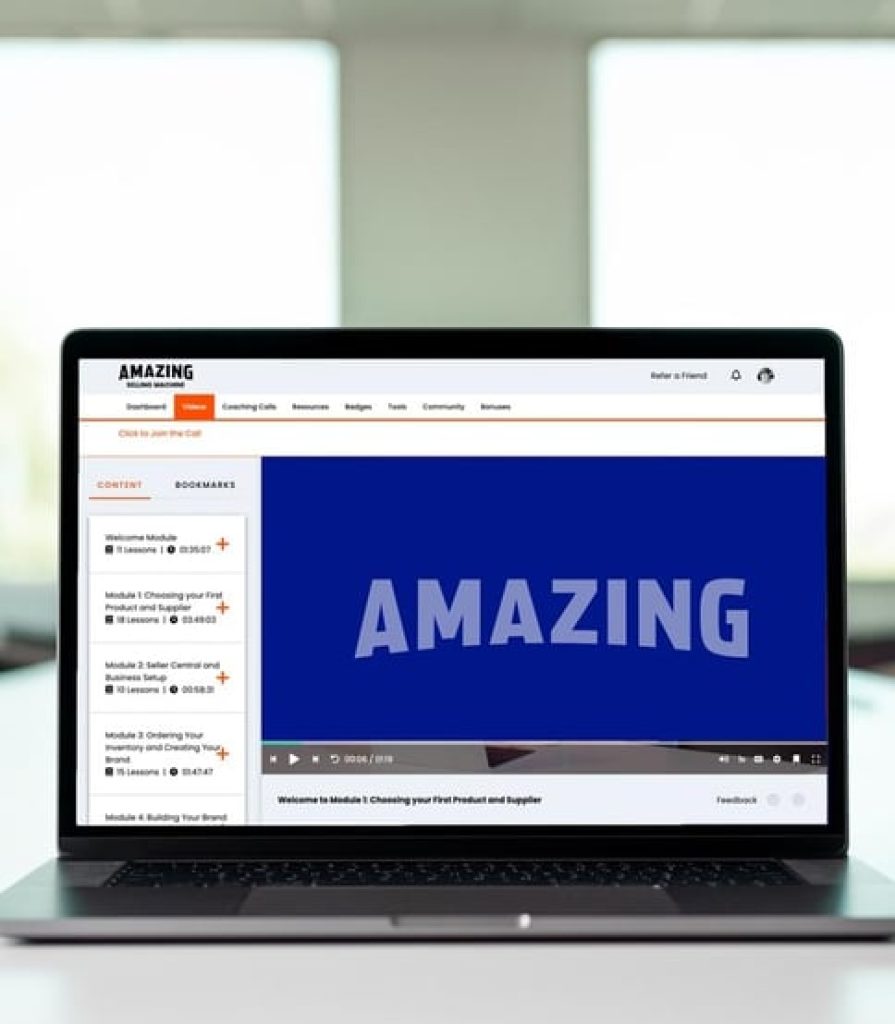
- Confirm what you’re actually getting access to. Training, coaching, software, vault—make sure it matches what you think you’re buying.
- Search for independent commentary—then adjust for incentives. Treat affiliate reviews as promotional, treat angry posts as anecdotal, and look for repeated patterns rather than one-off stories.
What if you’re still not comfortable?
If the provider checks out but you still feel uneasy, that’s usually a “fit” signal, not a “fraud” signal. In that case, your best move is not to keep doom-scrolling reviews. It’s to choose a lower-risk learning path.
Start here: Amazing Selling Machine alternatives. Tool-first ecosystems and free official training can reduce upfront risk while you learn whether you even like this business model.
If you’re still considering ASM but want the numbers and fee structure clarified, read: Amazing Selling Machine pricing.
FAQs
Is ASM a scam?
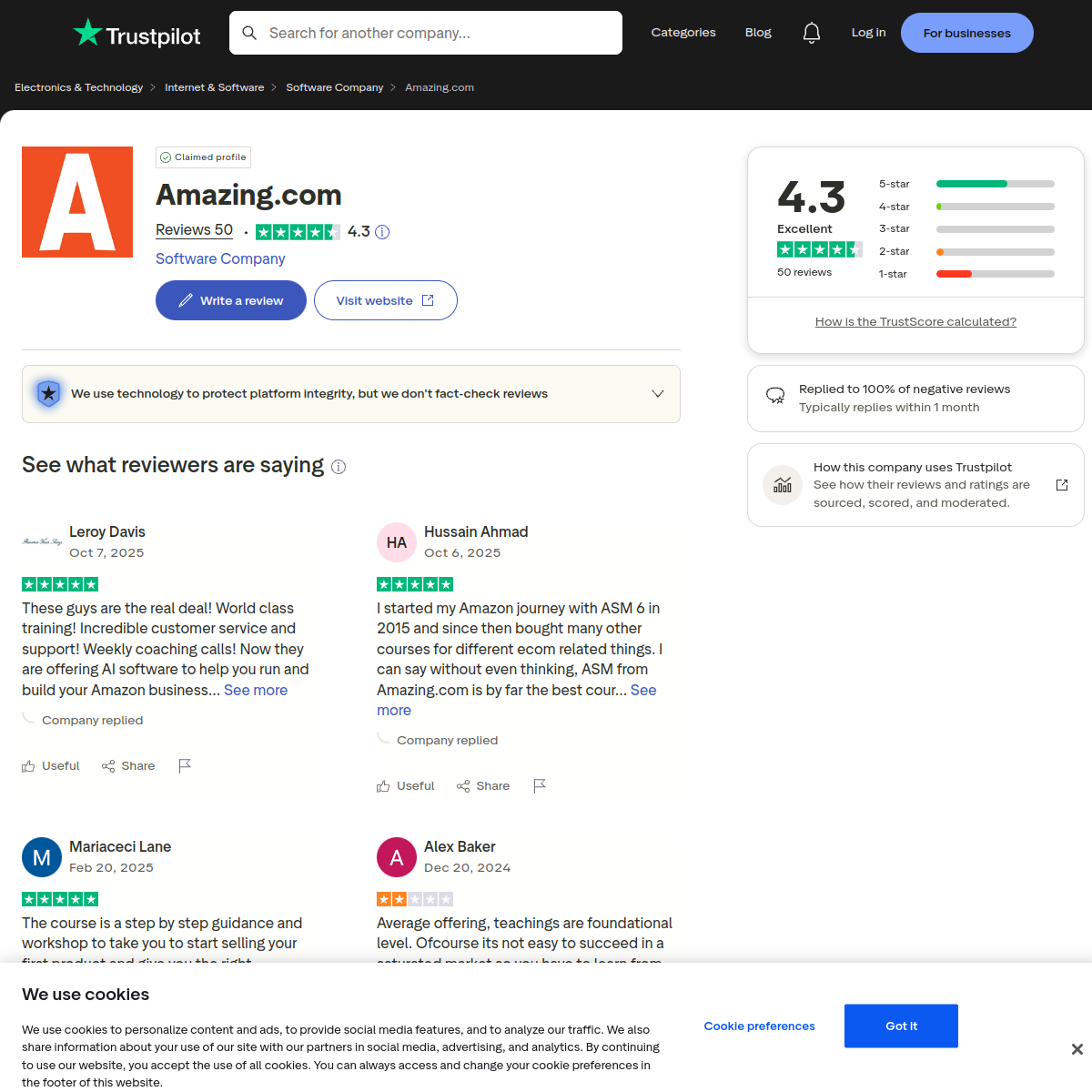
ASM appears to be a real commercial training offer with published terms and support channels. The more useful question is whether it’s a fit: budget, business model risk, and whether you will implement consistently.
Why are there complaints?
Most complaints around high-ticket programs fall into predictable buckets: price vs expectations, marketing fatigue, affiliate bias in reviews, and refund timing misunderstandings. That’s why you should read refund timing and fee language before buying.
How do I reduce risk if I buy?
Treat week one as an audit. Screenshot the offer terms, set calendar reminders inside the refund window, and decide early. Use the refund checklist on ASM refund policy.
What should I read next?
- Fit-based verdict: Amazing Selling Machine review
- Cost and “after 1 year” fee explained: Amazing Selling Machine pricing
- Other paths (tool-first, wholesale, free): Amazing Selling Machine alternatives
- Back to hub: Amazing Selling Machine (ASM)
Final note: you don’t need perfect certainty to make a good decision—you need clear terms, realistic expectations, and a plan you will execute. If you can’t get those three, it’s okay to choose a lower-risk path first.