
 admin
admin 
If you’re comparing Frase vs Clearscope in 2026, you’re probably not asking “which tool has more features?” You’re asking something more expensive: which one will actually improve our content output without turning the process into a scoring contest?
That’s the right framing. Both tools live in “content optimization,” but they tend to win for different reasons:
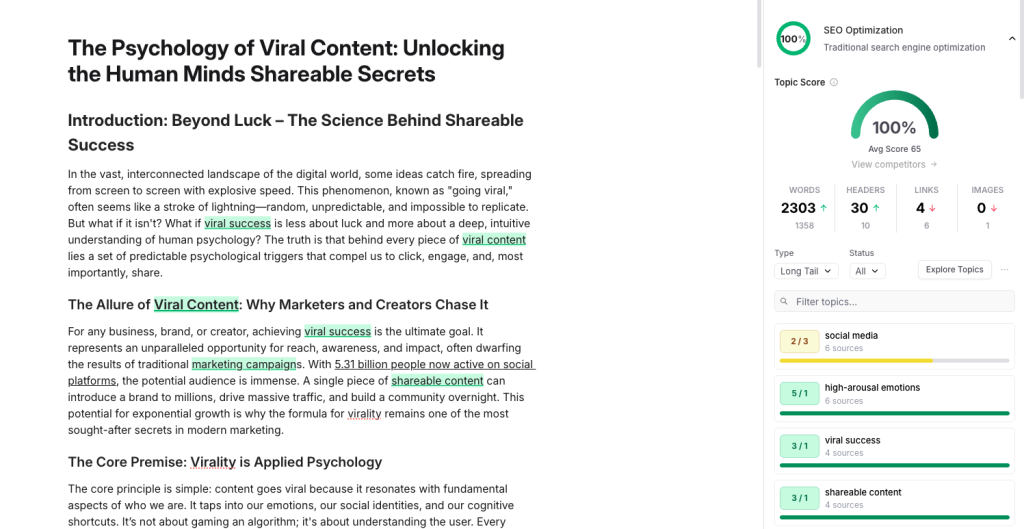
- Frase often wins on workflow value: research, briefing, outlining, and “coverage QA” that helps teams ship consistently.
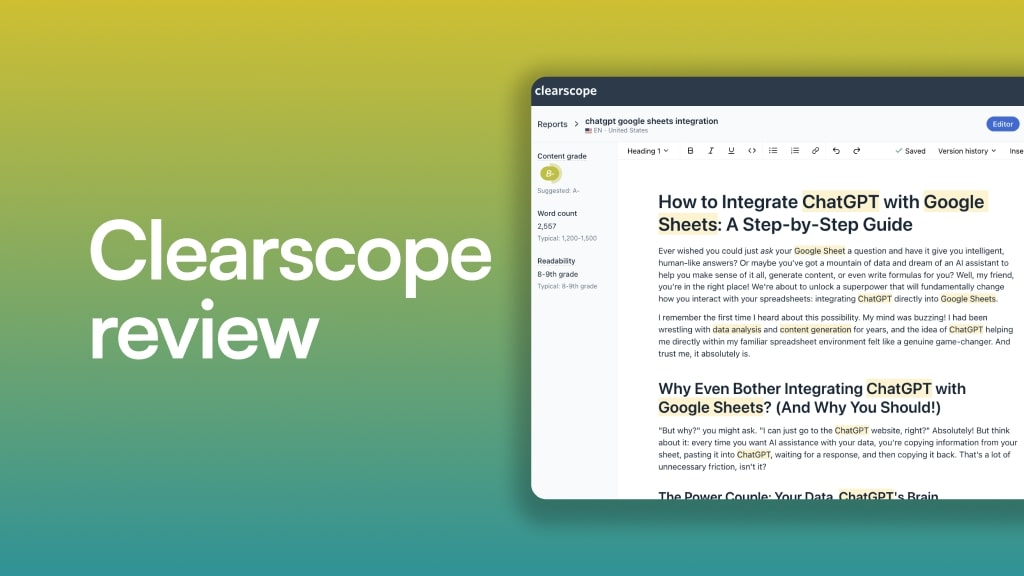
- Clearscope often wins on editorial precision: a more premium optimization experience for teams that care deeply about consistent, high-quality coverage.
One observed reality: as content production scales, the biggest risk isn’t that you’ll miss a keyword—it’s that you’ll publish a lot of pages that feel technically “optimized” but not meaningfully helpful. The tool you choose should raise your baseline, not flatten your voice.
Quick verdict: when Frase is enough vs when Clearscope is worth paying more for
Choose Frase if you want value and repeatability
- You need better briefs fast (or you manage writers and want more consistent briefing).
- Your main bottleneck is upfront research and structure, not editorial polishing inside a premium editor.
- You refresh content regularly and want a systematic way to spot gaps and update opportunities.
- You run lean content ops and you’d rather have one tool that covers “brief + optimize” than build a more expensive stack.
Choose Clearscope if you’re paying for precision and consistency
- You have an editorial team and a real content standard you need to enforce consistently across many writers.
- Your content competes in tough SERPs where small improvements in clarity, completeness, and on-page execution matter.
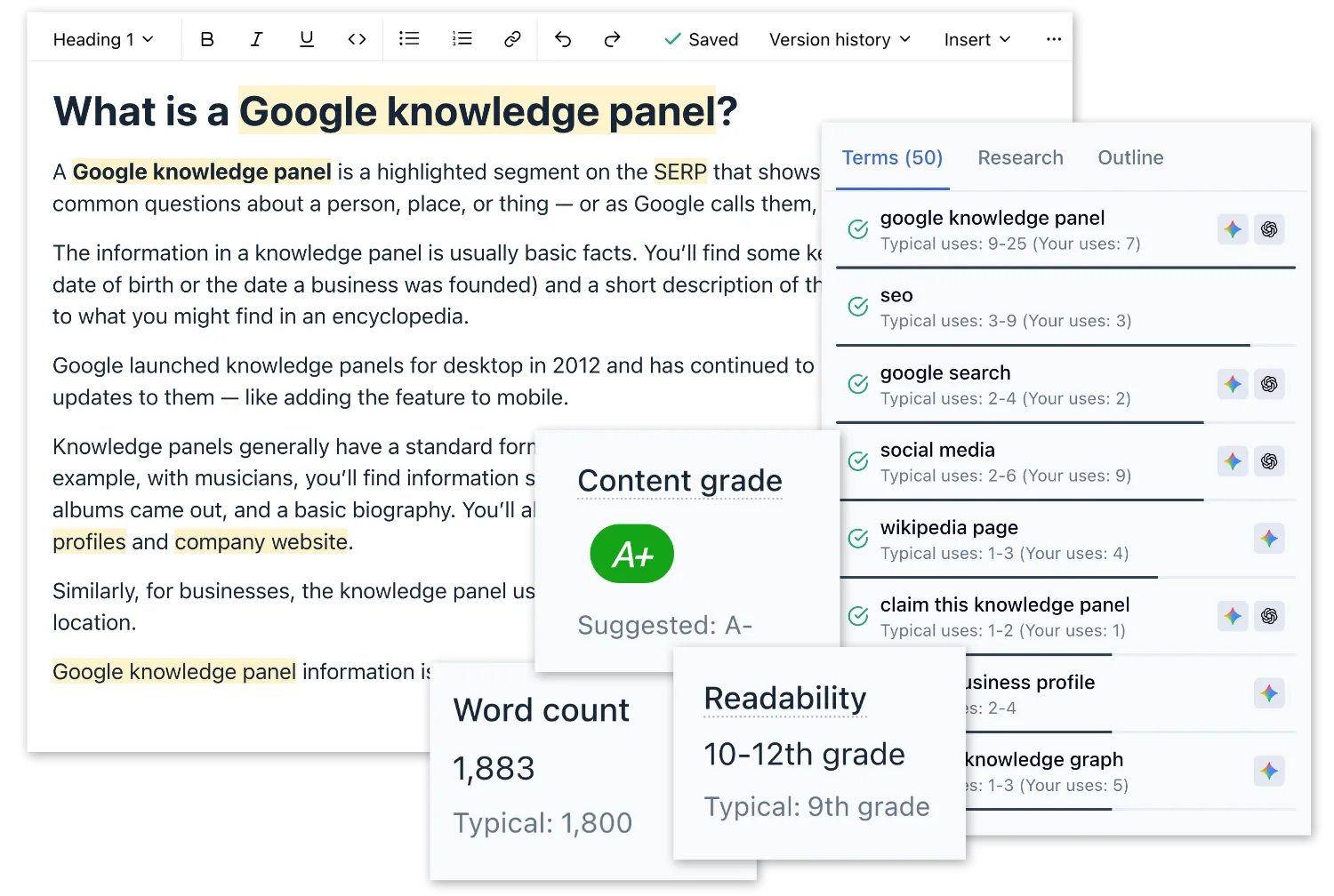
- You’re optimizing existing content at scale and want a reliable grading/term workflow that fits a mature editorial process.
- Your organization can absorb the cost and will actually use the tool weekly (not “when we have time”).
My stance: if your workflow is still developing, you’ll usually get more ROI from a tool that tightens briefing and reduces friction (Frase). If your workflow is already mature and you’re pushing for consistent editorial excellence at scale, Clearscope’s premium approach can make sense.
The real difference isn’t “accuracy.” It’s how the tool gets used.
Most comparisons get stuck debating which tool is “more precise.” In practice, the more important question is: what behavior does the tool encourage inside your team?
Here’s the expectation shift that helps buyers make a cleaner decision:
- Frase tends to be used as a content workflow layer: research → brief → outline → draft → optimize.
- Clearscope tends to be used as a premium optimization and editorial QA layer: make a draft better, more complete, more aligned with what readers (and SERPs) expect.
Frase workflow: strongest at research, briefing, and “coverage QA”
Frase is at its best when your team needs to standardize the front half of content production: understanding the SERP, building a brief that isn’t shallow, and making sure drafts cover what they should—without turning every piece into a compliance document.
Where Frase typically saves real time
- SERP-driven outlining: faster path from keyword to a usable structure.
- Brief creation for multiple writers: more consistent expectations without rewriting briefs from scratch.
- Refresh workflows: easier to spot missing sections and update opportunities.
- Optimization as a checklist: helpful “did we cover this?” guidance without forcing a single editorial style.
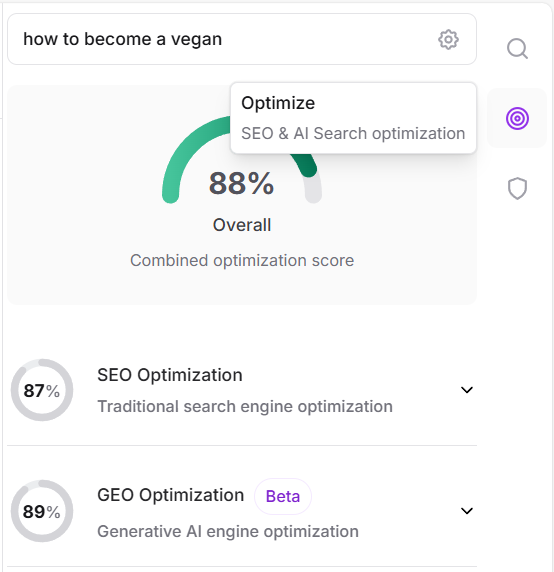
Here’s the candid caution: Frase can tempt teams to move quickly from “SERP coverage” to “publish,” especially if you lean heavily on AI drafting. If you don’t have an editorial bar (facts, examples, genuine expertise), you can ship content that looks complete but doesn’t feel trustworthy.
Clearscope workflow: strongest when editorial precision and consistency are the point
Clearscope tends to be the tool teams choose when content quality is already a priority and they want a premium system to keep that quality consistent across many pieces and many writers.
Where Clearscope typically earns its keep
- Editorial QA at scale: a repeatable way to align writers and editors around what “complete” looks like.
- Optimization for competitive topics: tighter guidance can help teams close gaps on high-stakes pages.
- Refreshing older content: grading and term guidance can make updates more systematic across a content library.
- Reducing inconsistency across writers: especially when you have many contributors or rotating freelancers.
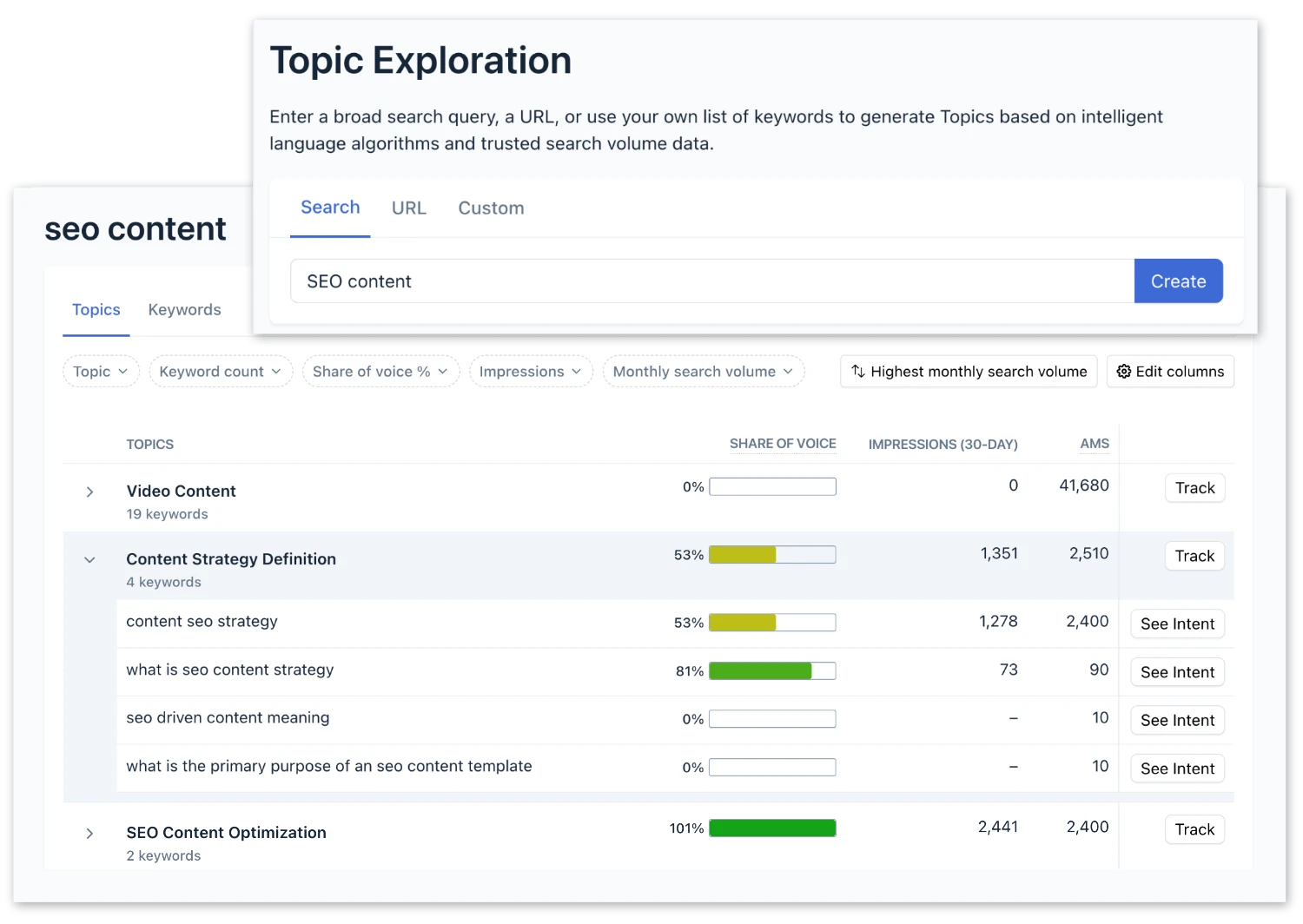
A softer human verdict: Clearscope is easiest to justify when you already have a process that can use it well. If your bottleneck is unclear briefs or inconsistent structure, paying for “precision” first can be putting the expensive layer on the wrong part of the workflow.
Content optimization approach: “coverage guidance” vs “editorial standardization”
Both tools help you cover a topic more completely. The difference is the posture:
- Frase: often works best as coverage guidance—a structured reminder of what SERPs tend to include, plus ways to identify gaps.
- Clearscope: often works best as editorial standardization—a premium scoring/terms workflow that helps teams align drafts with a consistent bar.
This is where teams can get into trouble. If “grade” becomes the goal, both tools can be misused. The difference is that Clearscope is more often deployed inside mature editorial teams that already have guardrails.
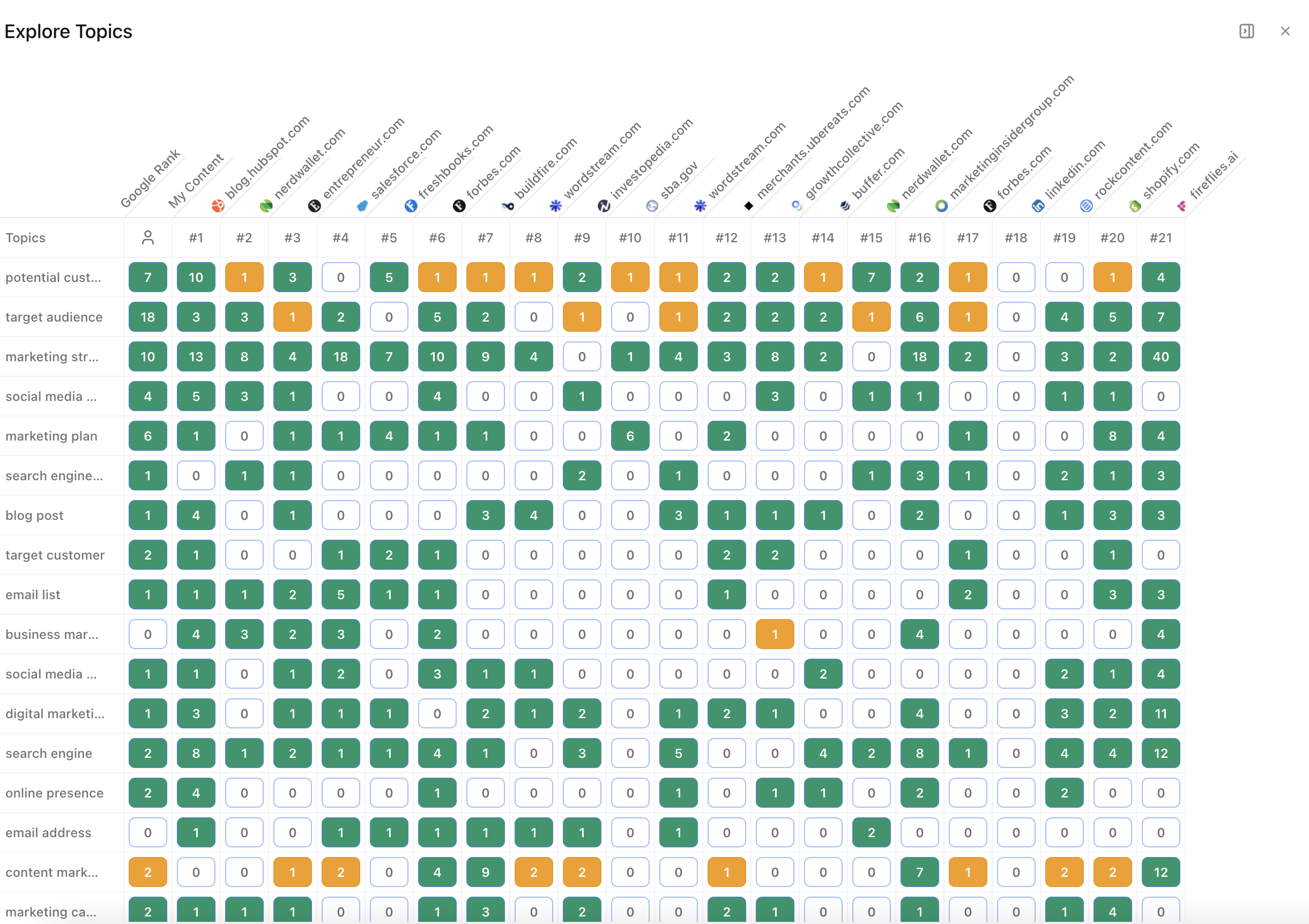
Pricing and value: the decision is less about cost and more about workflow maturity
It’s tempting to treat this as a simple budget question: “Frase is cheaper, Clearscope is premium.” That’s sometimes true in practice—but value depends on whether your team can actually extract the premium benefit.
When Frase is the smart value choice
- You need speed in research and briefing more than you need premium editorial standardization.
- You’re building a repeatable workflow and want to reduce the “blank page” tax across writers.
- You want one tool to cover briefing and optimization without adding another expensive subscription layer.
When Clearscope is justified (and not just a status buy)
- You already have a strong editorial process, and the limiting factor is consistency and QA at scale.
- Your content is business-critical (high stakes pages, competitive SERPs) where incremental improvements matter.
- You’re actively maintaining a content library and need systematic upgrading, not occasional optimization.
Here’s the uncomfortable truth: premium tools don’t fix messy workflows—they expose them. If your team doesn’t agree on what “good” looks like, a grade won’t solve that disagreement. It will just give everyone something new to argue about.
What about AI visibility and “GEO” style concerns?
Both platforms are clearly aware that search is changing. But for most teams, the practical question is still: are we writing content that answers the query clearly, includes the necessary context, and earns trust?
If you’re already measuring AI visibility and you have the bandwidth to act on those insights, it can be a meaningful layer. If you’re not, it can become noise.
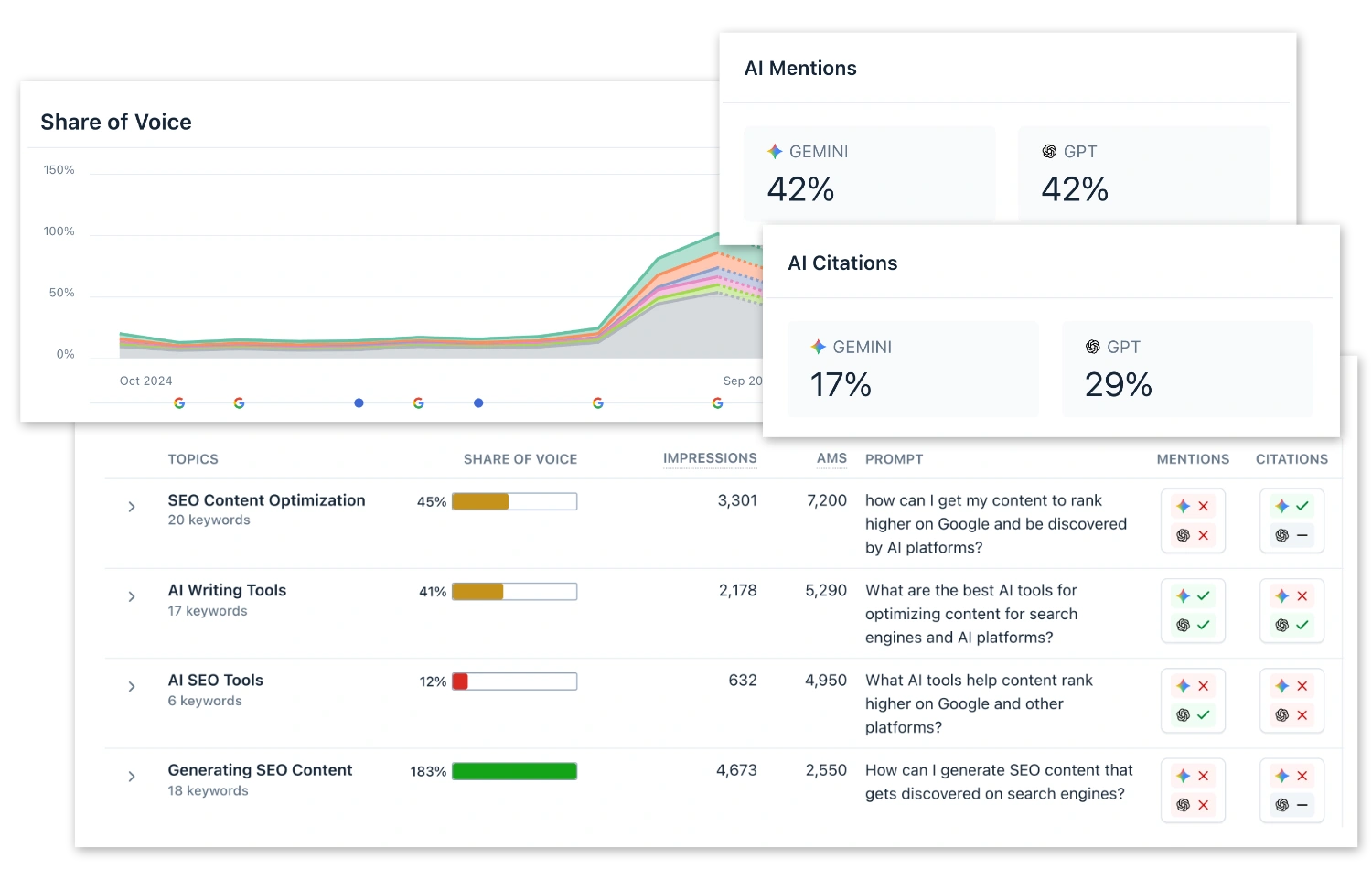
If you’re stuck, use this decision checklist (10 minutes, not 10 tabs)
- Do you have a briefing problem or an editing/QA problem? Briefing leans Frase; editorial standardization leans Clearscope.
- How many writers touch your content each month? The more writers, the more standardization matters.
- What will the tool replace? If it replaces nothing, you’re likely buying overlap.
- How often will you use it? Weekly use justifies subscriptions; occasional use rarely does.
- Do you have an editorial bar that isn’t just a score? If not, fix that first.
That last point is where most teams quietly stumble. A tool can help you cover a topic. It can’t give you judgment, taste, or standards. You still need humans for that.
Where to go next (depending on what you’re deciding)
- If you want broader context on Frase—strengths, limitations, and who should skip it—start with this Frase review for SEO content teams.
- If you’re not sure either tool fits cleanly, use a fit-based shortlist: best Frase alternatives by workflow.
- If you’re still comparing categories (not brands), this broader list can help: best SEO content optimization tools in 2026.
Final recommendation
Pick Frase if you want a practical tool that tightens research, briefing, and repeatable coverage QA—especially for lean teams that need to ship consistently without building a large optimization stack.
Pick Clearscope if you already have a mature editorial process and you’re paying for a premium optimization layer to standardize quality across writers and high-stakes pages.
And the softer verdict I’ll leave you with: the “better” tool is the one that makes your team calmer. If the tool increases stress, arguments, or score-chasing, it’s not helping—even if the grade looks great.
Next step
If you’re leaning toward Frase, the most sensible move is to match the plan to your publishing rhythm and team size—so you don’t overbuy or underbuy.