 admin
admin Affiliate disclosure: This roundup may contain affiliate links. If you buy through them, I may earn a commission at no extra cost to you. I only recommend tools that fit the workflow described here.
If you’re doing AI-first SEO as a solo operator, you don’t need “all the tools.”
You need one content editor/optimizer to ship pages that are extractable (answer-first), entity-clean, and structured; plus one research/SEO suite to find opportunities and keep you honest with data. Everything else is optional.
Below is a practical selection based on workflow (not hype), including 3 ready-to-copy stacks depending on budget and scale.
Table of content
Quick Picks: Best Tool by Job
| Job | Best pick | Why it wins (solo) | Best for |
|---|---|---|---|
| Write + optimize one page fast | Surfer | Great “editor + guidance” flow when you just want to ship | Bloggers, affiliate sites, solo ops |
| Briefs + answer-first outlines | Frase | Strong research-to-brief workflow for informational clusters | Clusters, guides, Q&A content |
| Entity/topic depth planning | MarketMuse | Helpful when you want “what to cover next” at the topic level | Building topical hubs |
| Semantic/NLP optimization on a budget | NeuronWriter | Often the value pick for solo sites that need semantic coverage | Budget-friendly optimization |
| High-end content scoring | Clearscope | Clean experience and strong optimization guidance (premium) | Teams, agencies, higher budgets |
| Backlinks + competitive research | Ahrefs | Strong for competitor analysis and link intelligence | SEO operators, link-driven strategies |
| Keyword + SERP + site SEO operations | Semrush | Big toolbox for research + tracking + audits | All-in-one workflow |
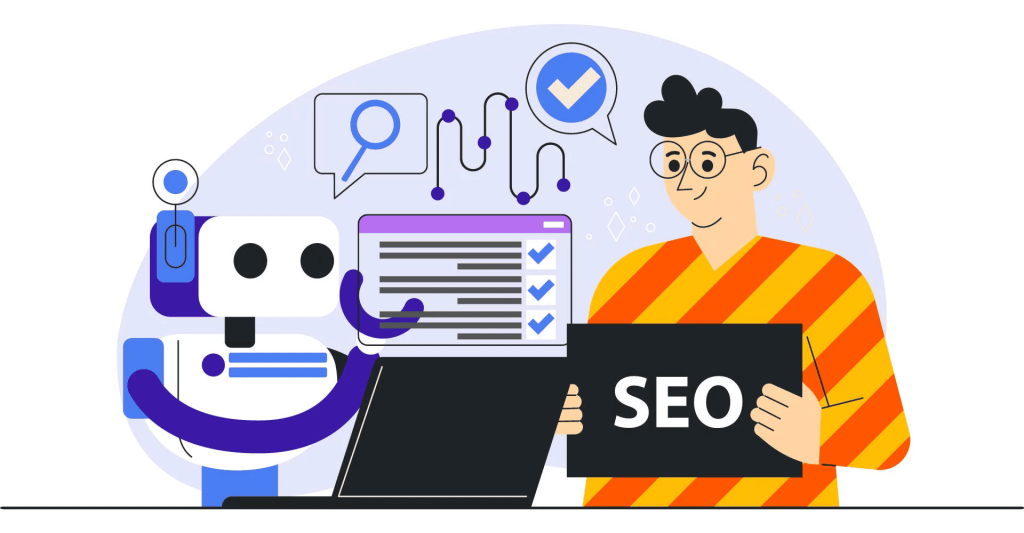
Affiliate marketers can’t afford to guess on SEO in 2025.Google updates are brutal—and the wrong move can wipe out your traffic overnight.This guide breaks down the best AI SEO tools that helped me recover rankings, fix on-page issues, and future-proof my affiliate sites.I’m not talking about magic tricks or shady link hacks—just real tools that audit, optimize, and protect your content like a second brain.
If you’re still doing SEO by hand, you’re falling behind. Let AI give you the edge.
Doing SEO Manually in 2026? That’s a Risk You Can’t Afford
If you’re still doing SEO with guesswork or hoping for the best, you’re at risk. I’ve watched entire affiliate sites tank overnight from Google updates, while my competitors using AI SEO tools kept growing. In 2026, smart optimization is not optional—it’s survival.
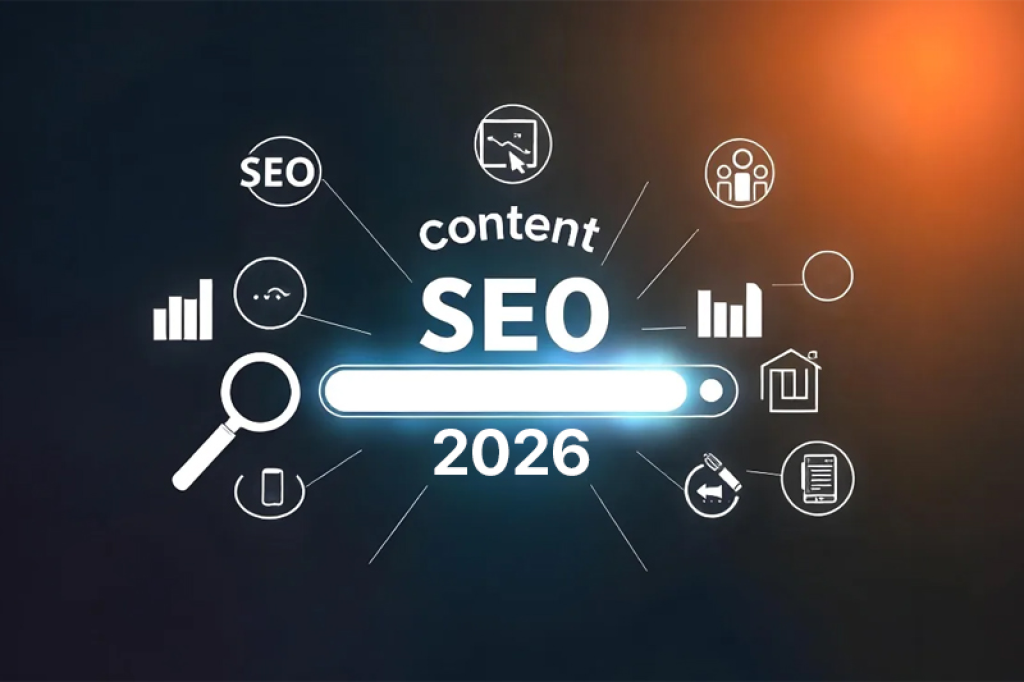
In this guide, I’ll break down the AI-powered SEO tools that saved my affiliate business (sometimes literally overnight), and how you can use them to rank, protect, and grow your sites—without black-hat tricks or endless manual work.
Let AI do the heavy lifting: from keyword research to content optimization and real-time SERP analysis.
Why Every Affiliate Needs AI for SEO
I used to think SEO was all about keyword stuffing and getting lucky with backlinks. Then Google’s Helpful Content updates hit—and almost overnight, my rankings disappeared while competitors soared. What was I missing? AI.
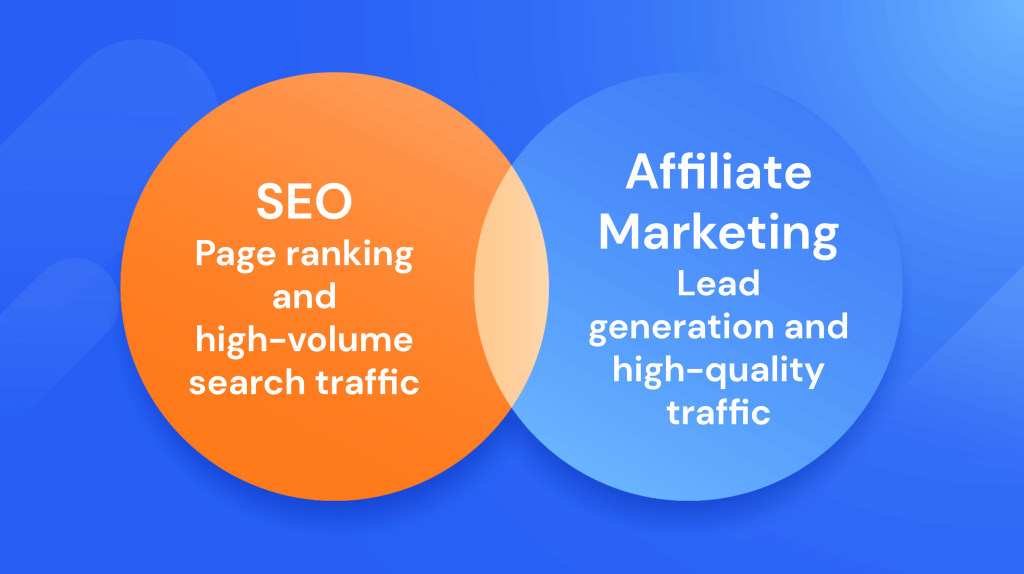
- Data-driven insights, not just gut feeling: AI SEO tools analyze thousands of SERP results in minutes, spotting trends and gaps you’d never find manually.
- Stay ahead of Google updates: With AI, you’re constantly optimizing for what’s working now—not last year’s tactics.
- Automated content audits: Instantly spot missing topics, weak spots, and outdated info in your affiliate content.
- Confession: After losing two sites to penalties, I now let AI “audit” every page before hitting publish. It’s my best insurance policy.
“AI SEO isn’t magic. But if you’re still doing SEO by hand, you’re not just slower—you’re flying blind.”
How I’m Choosing Tools (Solo, Practical Criteria)
I’m not ranking tools by “who has the most features.” I’m ranking by what helps a solo operator publish pages that AI search can understand and reuse, while still driving clicks and conversions.
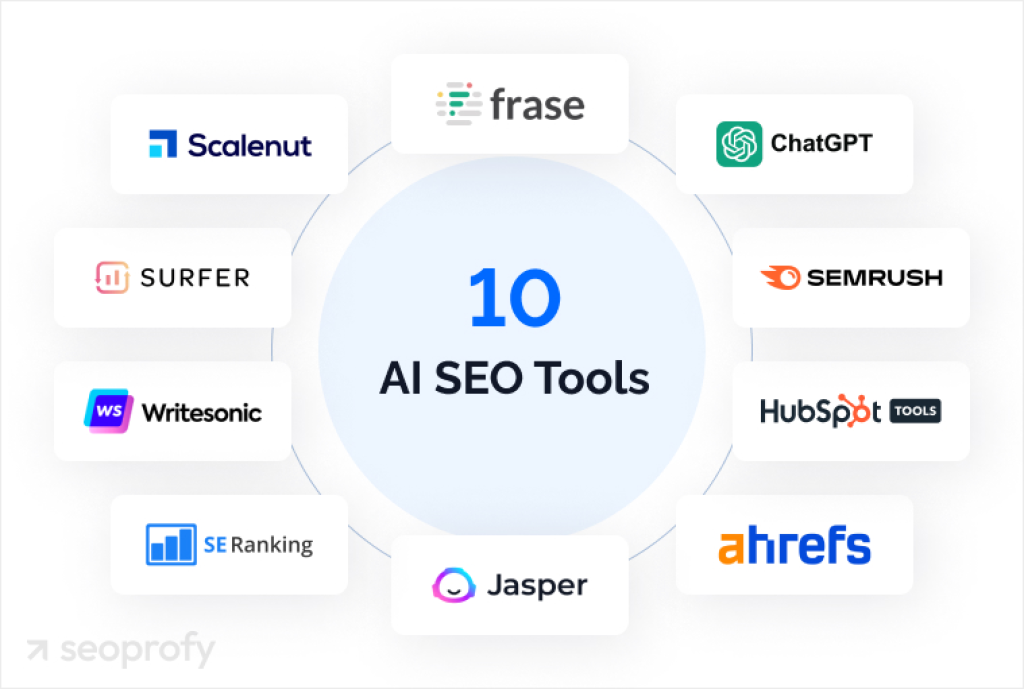
My non-negotiables for AI-first SEO
- Answer-first support: helps you front-load the answer and keep pages extractable. (See: Answer-First.)
- Entity clarity: encourages consistent coverage of core concepts (not just keyword stuffing). (See: Entity SEO.)
- Structure-friendly: makes it easy to add tables/checklists/FAQs (citation-ready blocks).
- Workflow speed: reduces time from “topic picked” → “published” without lowering quality.
- Measurable loop: plugs into a KPI routine so you can iterate based on real queries. (See: KPIs.)
What I’m not doing
- Buying 3 tools that do the exact same job (I’d rather publish more clusters).
- Optimizing for “perfect scores” over clarity and usefulness.
- Overcomplicating with 20 dashboards I won’t check weekly.
The 3 Stacks (Pick One and Move On)
This is the part that actually matters. Pick a stack that matches your current stage. You can always upgrade later. In practice, shipping consistent clusters beats “perfect tooling.”
Stack #1: Lean Solo Stack (Budget + Speed)
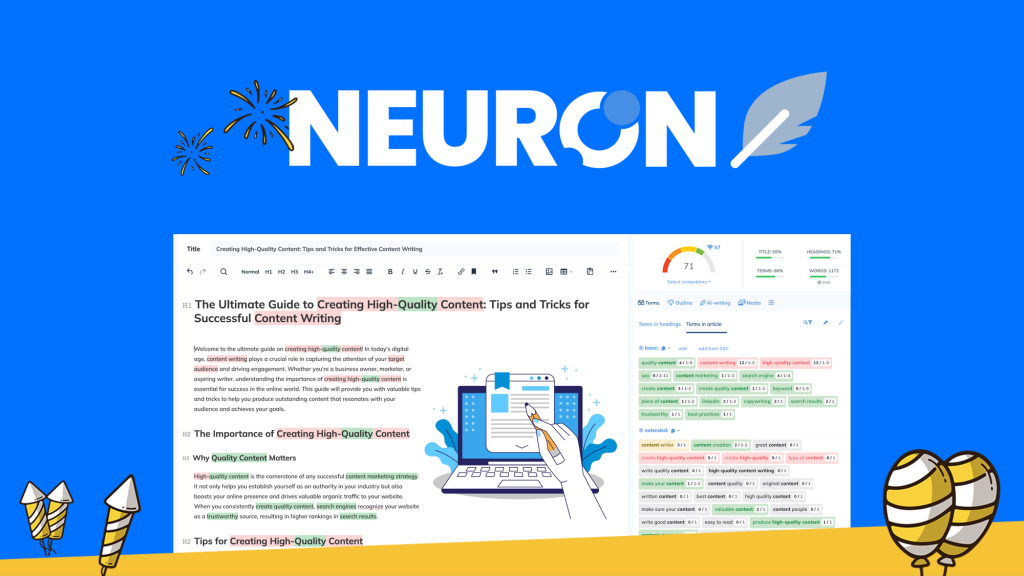
Goal: publish fast, build topical coverage, and iterate from Search Console without burning cash.
- NeuronWriter (content optimization on a budget)
- Semrush or Ahrefs (pick one suite; don’t double-buy early)
- Google Search Console + GA4 (measurement loop)
When this stack wins: new domains, solo affiliate sites, early-stage hubs, limited budget.
When to upgrade: when you’re publishing weekly and your bottleneck becomes briefs/outlines or higher editorial quality.
Stack #2: Growth Stack (Best Balance for AI-First SEO)
Goal: build a hub fast with consistent quality and fewer rewrites.
- Surfer (content editor/optimizer to ship pages with confidence)
- Frase (briefs + research + question capture for clusters)
- One suite: Semrush or Ahrefs
- GSC + GA4 (weekly iteration)
When this stack wins: you want a repeatable workflow: research → brief → write → optimize → internal link → measure.
Stack #3: Scale Stack (Topical Authority + Editorial Depth)
Goal: build durable topical authority and cover the “what should we publish next” question systematically.
- MarketMuse (topic planning + content inventory guidance)
- Clearscope or Surfer (premium optimization/editor layer)
- One suite: Ahrefs or Semrush
- GSC + GA4 (performance loop)
When this stack wins: bigger content programs, multiple hubs, higher competition, agency-like output (even if you’re still “solo” but operating like a system).
Solo reality check: if you’re not publishing consistently yet, Stack #2 is usually the sweet spot. Stack #3 is powerful, but it’s easy to “plan forever” and ship less.
Comparison Table: What Each Tool Is Actually Best At
| Tool | Best for | Strength | Weakness | Use it if… |
|---|---|---|---|---|
| Surfer | Content editor + optimization | Fast publish workflow | Can tempt you to “score chase” | You want a reliable editor-driven process |
| Frase | Briefs, SERP-inspired outlines | Great for question-based clusters | Still needs your judgment for quality | You publish lots of informational content |
| Clearscope | Premium content optimization | Clean experience, strong guidance | Higher cost | You want premium editorial consistency |
| NeuronWriter | Semantic/NLP optimization | Often best value | UI/workflow may feel less polished | You want semantic coverage on a budget |
| MarketMuse | Topic planning + authority building | Helps you prioritize what to write next | Can be “too strategic” if you don’t execute | You’re building serious topical hubs |
| Ahrefs | Competitors + backlinks + research | Strong SEO intelligence | Not a “content editor” replacement | You want link + competitor clarity |
| Semrush | All-in-one SEO operations | Big toolbox for keywords + audits | Can feel heavy if you only need one thing | You want one suite to run SEO ops |
My Solo Workflow (How These Tools Fit Together)
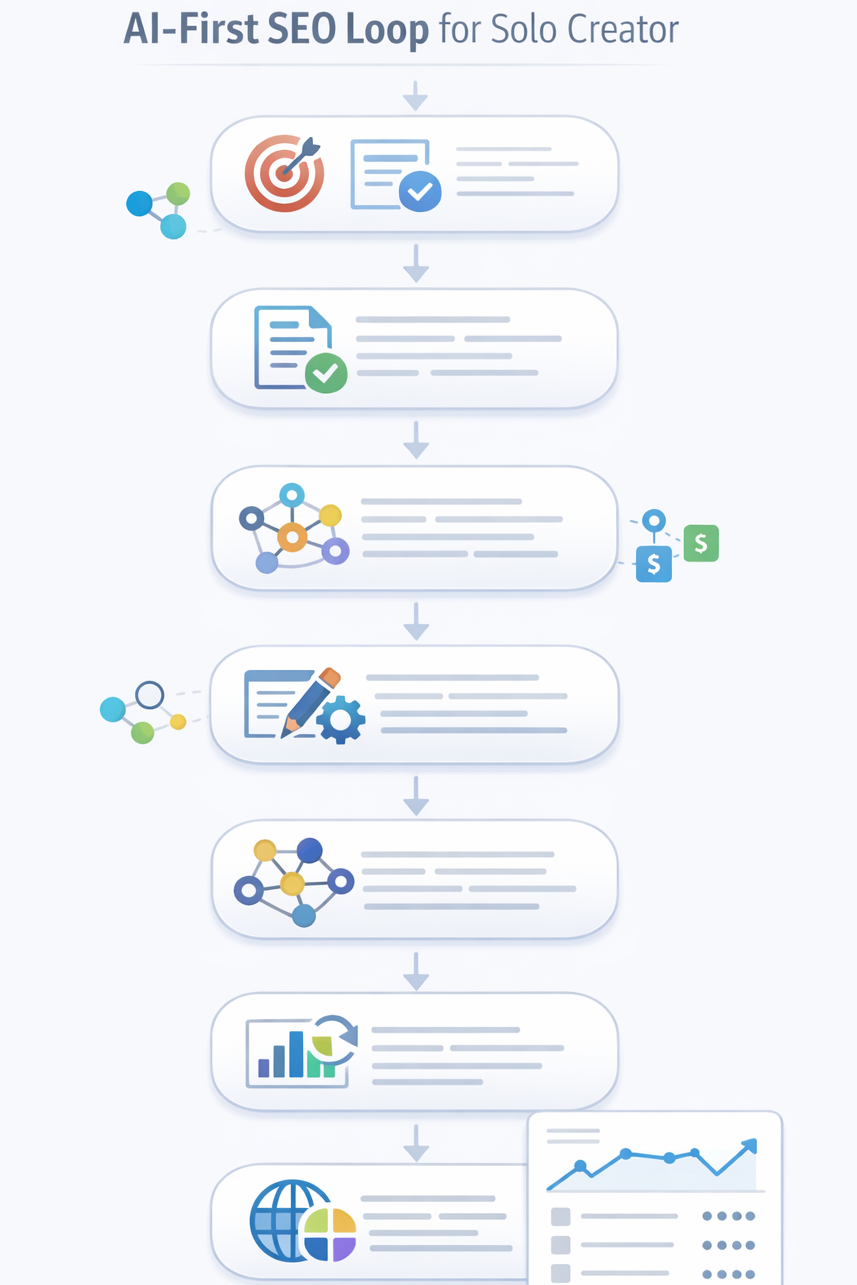
This is the actual AI-first SEO loop I’d run as a solo operator. It maps to your cluster system:
- Pick the page intent: definition, how-to, comparison, or “best tools”.
- Draft answer-first skeleton: use the Answer-First Template to create a TL;DR + headings.
- Build entity list for the page: use the Entity Checklist to define 10–25 entities and 3–6 core entities.
- Write + optimize in one editor: Surfer / Frase / Clearscope / NeuronWriter (pick one primary editor).
- Internal link with purpose: hub ↔ cluster ↔ money. (See: Internal Linking Blueprint.)
- Measure weekly: queries → update H2/FAQ → add tables/checklists. (See: KPIs.)
- GEO upgrades: add citation-ready blocks and constraints so AI can reuse safely. (See: GEO.)
The Tools (Solo, Practical Reviews)
1) Surfer: SEO Content Optimization Platform
Surfer
Best for: a “publish reliably” content workflow when you want structure + optimization guidance in one place.
Where it fits: the final writing/optimization stage—turning your outline into a page that’s tight, structured, and easy to scan.
- Solo use case: You’re shipping 2–6 articles/week and want consistent on-page execution.
- GEO tip: Don’t chase a score. Instead, add one definition block + one table + one checklist per page to make extraction easy.
- When NOT to use: If you’ll obsess over metrics and publish less.
2) Frase – Fast SEO Content – Write Better Online
Frase – Fast SEO Content
Where it fits: early stage—research → structure → “what questions must I answer?”
- Solo use case: You’re building an informational hub and want to ship clusters that match real intent.
- AI-first advantage: Helps you create sections that become “mini answers” (perfect for answer-first writing).
- When NOT to use: If you already have a strict outline system and just need a writing editor.
3) Clearscope – Get Discovered on Google, ChatGPT, and What’s Next
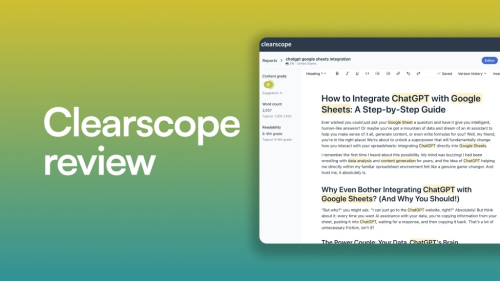
Clearscope
Where it fits: high-stakes pages—pillars, competitive “best tools” pages, and flagship comparisons.
- Solo use case: You publish fewer pages but want each one to be “clean, structured, and hard to beat.”
- GEO tip: Combine a strong intro answer block with a strict “best for / not for” section to reduce ambiguity.
- When NOT to use: If budget is tight and you’re still proving your publishing cadence.
4) NeuronWriter
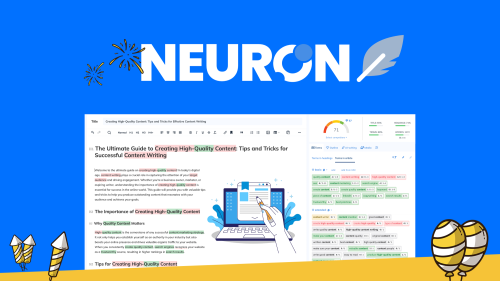
NeuronWriter
Where it fits: consistent cluster publishing—helping you cover the entity vocabulary that supports topical authority.
- Solo use case: You want to publish many clusters and keep them semantically complete.
- AI-first advantage: Helps you avoid thin coverage by nudging you toward related concepts (entities) that matter.
- When NOT to use: If you want a single “everything tool” with a big ops dashboard.
5) MarketMuse – AI Content Planning and Optimization Software
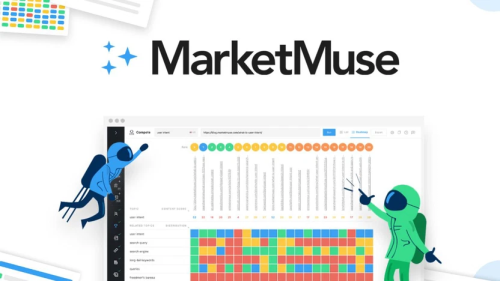
MarketMuse
Where it fits: strategy layer—topic mapping, gaps, and cluster planning.
- Solo use case: You have one hub working and want to expand it intelligently (without guessing).
- Operator warning: MarketMuse can feel addictive (planning is easy). Set a rule: plan 1 hour, then write.
- When NOT to use: If you haven’t shipped your first 10 cluster pages yet.
6) Ahrefs—AI Marketing Platform Powered by Big Data

Ahrefs
Where it fits: opportunity discovery + competitive benchmarking.
- Solo use case: You want to identify which clusters to publish next based on competitor gaps.
- AI-first approach: Use it to find topics competitors cover poorly, then beat them with answer-first + tables + FAQs.
- When NOT to use: If you need a writing editor more than competitive research.
7) Semrush: Data-Driven Marketing Tools to Grow Your Business
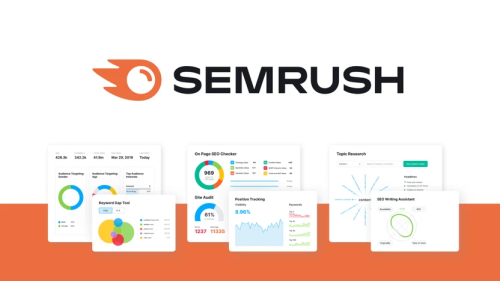
Semrush
Where it fits: “control room” for a solo site that wants one suite to cover many tasks.
- Solo use case: You want one subscription that handles research, tracking, and a lot of day-to-day SEO ops.
- AI-first approach: Combine suite insights with your hub model (hub ↔ clusters ↔ money), then iterate using GSC queries.
- When NOT to use: If you only need one narrow feature and hate big dashboards.
If You Only Buy ONE Tool (Solo Decision)
If I’m forced to pick one paid tool for AI-first SEO as a solo operator, I choose based on my current bottleneck:
- If the bottleneck is writing + on-page execution: pick Surfer (fast publish loop).
- If the bottleneck is outlines + answering questions: pick Frase (research-to-brief speed).
- If the bottleneck is SEO ops and research: pick Semrush (or Ahrefs if you’re more link/competitor-driven).
- If the bottleneck is budget but you still need semantic completeness: pick NeuronWriter.
Hard truth: tooling won’t save a weak publishing cadence. A modest stack + consistent clusters usually wins.
7-Day Implementation Checklist (Solo Operator)
This is the fastest “do it for real” checklist I’d run after setting up the tools.
- Day 1: Choose your stack and lock it for 30 days (no tool shopping).
- Day 2: Create a hub folder and publish/refresh your pillar (link all clusters).
- Day 3: Draft 3 new cluster outlines using the Answer-First Template.
- Day 4: Build entity lists (10–25 entities/page) using the Entity Checklist.
- Day 5: Write + optimize in your chosen editor; add at least one table and one checklist.
- Day 6: Add internal links using hub ↔ cluster ↔ money rules (see Internal Linking).
- Day 7: Set a weekly KPI routine (GSC queries → new H2/FAQs → iterate) using KPIs.
GEO upgrade (ongoing): Add constraints (“works best when…”) and citation-ready blocks so AI can reuse safely (see GEO).
How to Use AI SEO Tools for Affiliate Content
Having the right tool isn’t enough—you need a process that fits your affiliate workflow. Here’s how I use AI SEO tools to optimize every money page:
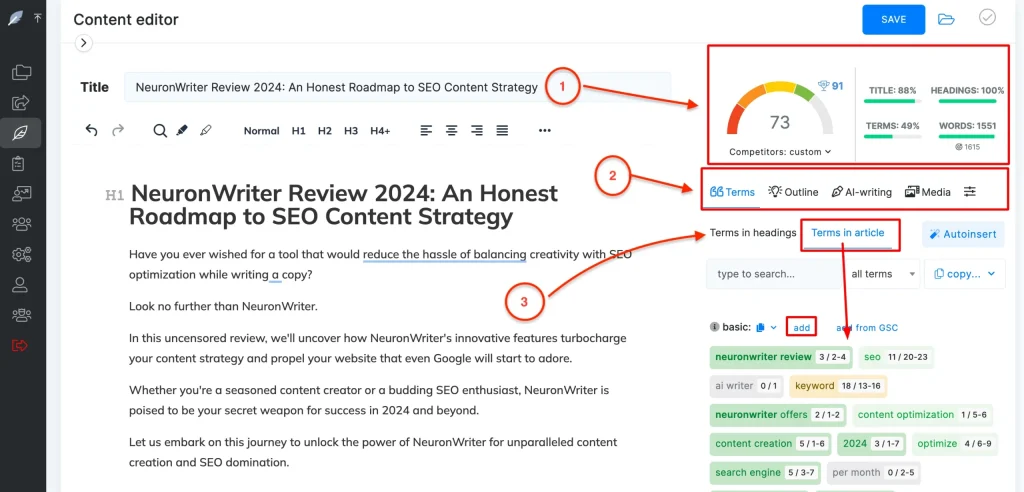
- Keyword & SERP research: Start with Frase or NeuronWriter to analyze the SERP, see what’s ranking, and discover intent. Look for recurring topics, questions, and gaps.
- Outline & topic mapping: Use AI-generated briefs to structure your article. This makes sure you cover every point Google expects—and what buyers are searching for.
- On-page optimization: Paste your draft into Surfer SEO or POP. Tweak headings, add missing keywords, and follow the AI’s live suggestions.
- Entity & FAQ enrichment: Add entities, product specs, and unique FAQs recommended by the tool. This boosts topical authority and helps you win featured snippets.
- Audit before publishing: Run a final content audit with your AI tool. It’ll catch over-optimization, thin sections, and outdated info before Google does.
Pro tip: Save your AI briefs and SERP snapshots—you can reuse them for future updates or spin-off posts.
Steven’s Confession: SEO Mistakes, Penalties & How AI Saved My Sites
I’ll be honest—before I embraced AI tools, I fell for nearly every affiliate SEO trap: keyword stuffing, spinning thin reviews, ignoring user intent. The result? Two of my best sites were slapped with Google penalties and disappeared from page one overnight.
- Lesson 1: Manual guesswork is dangerous. AI SEO tools help you avoid over-optimization, missed entities, and blind spots that trigger penalties.
- Lesson 2: Don’t ignore search intent. Let AI analyze the SERPs for you. If everyone on page one is answering buyer questions, you should too.
- Lesson 3: Update, don’t forget. Schedule regular content audits with your AI tool. It’s your safety net against algorithm updates.
Quick tip: If you want a clear, beginner-friendly walkthrough, check out the Ahrefs video below on SEO fundamentals. It’s a solid way to reinforce the basics before you jump into AI-first SEO tactics.
“After losing my traffic, I made AI my ‘SEO co-pilot.’ Now, I won’t publish a single affiliate review without running it through Frase or Surfer first.”
FAQs
Do I need both Surfer and Frase?
Not at the start. If you’re solo, it’s usually better to pick one primary editor/brief workflow and publish consistently. If you’re already publishing weekly and your bottleneck is “research → outline,” Frase becomes a strong add-on. If your bottleneck is “clean on-page execution,” Surfer is the stronger core.
Should I use both Semrush and Ahrefs?
As a solo operator, usually no. Pick the one that matches your style: Semrush for all-in-one operations and broader workflows, Ahrefs if you’re heavily competitor/backlink-driven. You can always switch later once you know what you actually use weekly.
What’s the best stack for a brand-new domain?
Start lean: one optimizer/editor (NeuronWriter or Surfer), one suite (Semrush or Ahrefs), plus GSC/GA4. Then publish clusters and build internal links. New domains win by topical coherence and execution cadence, not by owning every tool.
Will these tools help with AI Overviews or AI citations?
They help indirectly by producing structured, extractable content (definitions, tables, checklists, FAQs) and by improving topical consistency. The biggest GEO wins usually come from how you write and structure, not from “turning on a setting.”
How many tools do I actually need to see results?
One content tool + one SEO suite is enough. The rest is optional. If the tools slow you down or overwhelm you, you’re paying to publish less—which is the opposite of what you want.
What should I publish next after this roundup?
Two money pages that convert well and link back to your clusters: (1) a flagship comparison (Tool A vs Tool B vs Tool C) and (2) a “best for X” page that targets a specific persona or use case. Then keep building clusters based on real GSC queries.
Conclusion: The Solo Rule (Don’t Overbuild the Stack)
If you take one thing from this roundup, take this: AI-first SEO rewards clarity + structure + topical consistency. Tools help, but only if they make you ship more (not plan more).
My solo default: Growth Stack (#2) until you prove your cadence. Then upgrade pieces as your bottleneck changes.
Next internal steps: Internal linking blueprint → write your first comparison money page → run the weekly KPI loop.
Recommended: If you want to go deeper, start with the AI Search SEO Pillar, then copy the Answer-First Writing Template into your drafts. After that, use the Entity SEO Checklist to tighten definitions, and follow the Internal Linking Blueprint to connect clusters to money pages without feeling spammy. Finally, track progress with AI SEO KPIs (GSC + GA4)—and if you want the bigger picture, read GEO Explained.