 admin
admin 
If you’re trying to build a Frase content brief in 2026, the goal isn’t “create an outline fast.” The goal is to hand a writer (or your future self) a document that makes the first draft obvious: what the page is for, what it must cover, and what it should avoid.
Most briefs fail in a boring way. They’re either too thin (“here’s a keyword, good luck”) or too bloated (“here are 60 topics, include all of them”). Frase can speed up the research layer—but the brief only becomes good when you add human decisions on top.

One observed reality: teams are publishing under more pressure, with fewer calm hours to do deep research. That’s exactly why briefing matters. A strong brief reduces rewrites and keeps content from drifting into “we covered everything, but said nothing.”
What a “good” SEO brief actually includes
Before we talk Frase features, lock the brief components that make writing easier and editing faster:
- Target keyword + search intent: what the searcher expects and what the page type should be.
- Target reader: who this is for, and what they’re trying to accomplish.
- Promise / outcome: what the reader will be able to do or understand after reading.
- Angle: what makes your page worth reading beyond “we covered the same subheads.”
- Section-by-section intent: what each section must accomplish (explain, compare, decide, prevent mistakes).
- Must-answer questions: especially the repeated questions that show up in SERPs.
- Proof + examples needed: what requires citations, screenshots, data, or real-world constraints.
- Constraints: what you won’t claim, what to avoid, and what would be misleading.
My stance: a brief is a decision document. If it doesn’t capture decisions (intent, angle, proof), it’s just an outline wearing a suit.
When to use Frase for brief creation (and when not to)
Frase is most useful for briefs when you want to compress SERP research into something structured you can act on.
Use Frase when:
- You need to understand what ranking pages cover, quickly.
- You want to build an outline informed by SERP patterns (not guesses).
- You’re briefing multiple writers and want consistent expectations.
- You’re refreshing older content and need a systematic gap-finding workflow.
Skip Frase (or use it lightly) when:
- Your topic is extremely specialized and SERP patterns are weak signals compared to subject-matter expertise.
- The SERP is messy (forums, UGC, mixed intent) and “common topics” won’t equal “good structure.”
- You don’t have time to add human judgment—because tool output alone makes briefs shallow.
If you’re brand-new and want the broader workflow (keyword → brief → draft → optimize), start here: follow a practical beginner Frase workflow.
The practical workflow: SERP research → outline → writer-ready Frase SEO brief
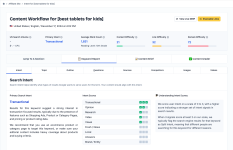
Step 1: Confirm the SERP intent before you outline
Don’t build a “great brief” for the wrong page type. Spend two minutes confirming what’s ranking: guides, listicles, product pages, tools, forums. Your brief should match that reality—or intentionally choose a different angle with a clear reason.
Step 2: Use Frase SERP research to find the baseline coverage
This is where Frase saves time: it helps you see headings, themes, and questions across ranking pages so you’re not outlining from scratch.
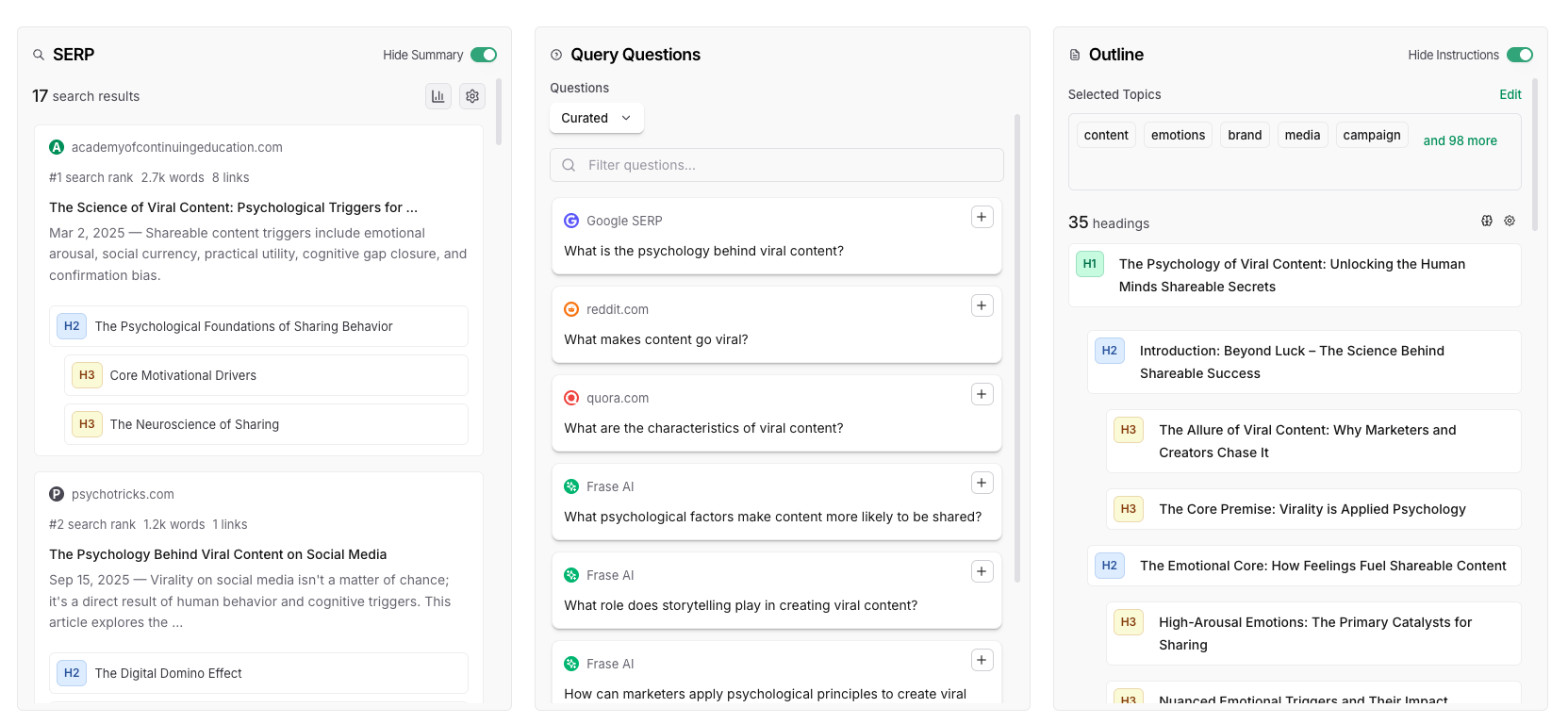
Here’s the narrative turn a lot of people need: SERP research isn’t about copying competitors. It’s about understanding the minimum expectations so you can spend your energy on what differentiates your page.
Step 3: Pull questions (and decide which ones are actually worth answering)
Questions are the fastest way to make a brief writer-friendly. But you still need judgment: some questions are redundant, some are off-intent, and some belong in an FAQ rather than the main body.

Step 4: Generate the brief, then prune aggressively
Frase can generate a draft brief quickly. Your job is to remove everything that doesn’t serve the intent and your angle. A shorter, sharper brief beats a long brief no one follows.
Step 5: Add the human layer (this is where briefs stop being shallow)
Here are the specific additions that turn a Frase-generated brief into a writer-ready SEO brief:
- Angle sentence: “This page will focus on X, and avoid Y, because the reader needs Z.”
- Example requirements: what examples must be included (and what would be too generic).
- Decision criteria: “Choose A if…, choose B if…” for commercial or comparison intent.
- Trust signals: what claims must be sourced, what needs screenshots, what needs real numbers.
- Audience level: beginner vs advanced—what to define, what to assume.
Here’s the candid caution: if you skip this step, Frase makes it easy to produce briefs that look “complete” but feel like SERP summaries. That’s how you end up with content that ranks briefly, then fades because it doesn’t earn loyalty.
A simple Frase content brief template you can reuse
Copy this structure into your doc and fill it in. Keep it tight.
Brief header
- Primary keyword: …
- Search intent: informational / commercial / transactional
- Target reader: …
- Page goal: …
- Angle: …
- Must-include: 5–10 bullets max
- Avoid: 3–5 bullets
Outline with section intent
- H2: … — why this section exists
- Key points: …
- Proof/examples needed: …
FAQ candidates
- Question 1
- Question 2
- Question 3
QA checklist
- Matches SERP page type and intent
- Explains key terms at the right level
- Includes specific examples and constraints
- Avoids vague claims and repetitive filler
- Has a clear takeaway and next step

How to avoid shallow briefs (the 5 traps)
Trap 1: Treating “topics” as mandatory
Not every suggested topic belongs in your piece. Choose what serves intent and your angle.
Trap 2: No section intent
Headings without “why this exists” lead to fluff and repetition.
Trap 3: No proof requirements
If the brief doesn’t specify what needs sourcing or examples, you’ll get generic writing.
Trap 4: Copying competitor structure
SERP structure is the baseline, not the finish line.
Trap 5: Confusing optimization with usefulness
Optimization can improve coverage. It cannot guarantee trust or clarity.

Where human judgment is still required (even with Frase)
Frase can tell you what tends to appear in ranking content. It can’t decide:
- What your page should argue (or what stance it should take).
- What the reader should do next (especially for commercial intent).
- What’s actually true when topics require verification.
- What examples are credible for your audience and niche.
A softer human verdict: if your team already has good judgment, Frase makes it easier to express that judgment consistently. If your team doesn’t, Frase won’t magically supply it.
Frequently Asked Questions
What’s the difference between a Frase brief and a normal outline?
A normal outline is structure. A Frase-driven brief can include SERP-derived questions, topic gaps, and supporting research inputs—then your editorial decisions on angle, examples, and constraints.
How long should a content brief be?
As short as possible, but no shorter. If a writer can produce a strong first draft without asking ten clarification questions, it’s long enough.
Can Frase replace a content strategist?
Not really. It can accelerate research and standardize brief elements, but strategy is still human: deciding what matters, what’s true, and what will differentiate the page.
Next step
If you want to validate this workflow quickly, build one brief for a keyword you actually plan to publish this month, then judge it by one standard: did it reduce rewrites and clarify what to write?
If you’re also evaluating whether Frase is a fit (or whether AI visibility tracking matters for you yet), you can review the broader context in see whether Frase fits your workflow and, if relevant, assess whether AI visibility tracking is relevant for you.
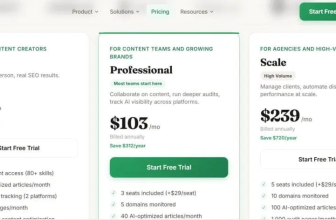
When you’re ready to check trial and plan details, keep it simple: check the current Frase plan options.