
 admin
admin 
If you’re searching for Frase alternatives in 2026, you’re probably not “shopping for software” in the abstract. You’re trying to solve a specific bottleneck: research takes too long, briefs feel inconsistent, optimization is messy, or your team is tired of chasing scores that don’t translate into better pages.
That’s the right lens. Tools like Frase only make sense when they reduce friction repeatedly. If a tool adds steps, overlaps with what you already pay for, or pushes your writing toward checklist content, it’s not an “upgrade.” It’s overhead.
My stance going into this list: there is no universal “best.” The best alternative is the tool that fits your workflow and actually gets used after the trial month.
Why people look beyond Frase
Most buyers don’t leave Frase because it’s “bad.” They leave because the fit isn’t quite right. Here are the most common reasons:
- You want a different optimization experience: some teams prefer a more prescriptive editor; others want lighter guidance that doesn’t encourage score-chasing.
- You need higher-end editorial precision: especially for brands with strict content standards and consistent topic coverage requirements.
- You want deeper strategy tooling: not just page-level briefs and optimization, but broader content planning and prioritization.
- You mostly want fast drafts: Frase can help with drafting, but it’s not a pure drafting-first product.
- You’re paying for overlap: Frase can become redundant if you already have an established stack that covers briefs, optimization, and workflow management.
- Your niche SERPs are weird: in fragmented SERPs, “common topics” can be a weaker signal, and tools can feel less reliable.
One observed reality: a lot of teams buy “content optimization” tools hoping for rankings. Then they realize the real payoff is operational—better briefs, faster edits, more consistent coverage, fewer rewrites.
Quick shortlist: the best alternatives to Frase by use case
If you just want the fastest path to a shortlist, start here:
- If you want a strong optimization-focused workflow: Surfer SEO
- If you want premium content optimization for editorial teams: Clearscope
- If you want deeper strategy and planning depth (and can handle complexity): MarketMuse
- If you want drafting-first speed as the priority: Writesonic
- If you want a lighter, budget-friendly optimization tool: NeuronWriter
- If you want brief creation and content workflow support: Content Harmony
- If you want an “all-in-one” SEO suite with a writing/optimization layer: Semrush (SEO Writing Assistant + suite workflow)
Now let’s slow down and make the trade-offs clear—because “best tool” doesn’t help if it’s the wrong category for your bottleneck.
7 tools like Frase (and when they’re a better fit)
1) Surfer SEO (best for optimization-first teams)
Pick Surfer if: your workflow is built around writing inside a more prescriptive content editor and you want strong on-page guidance while drafting and editing.
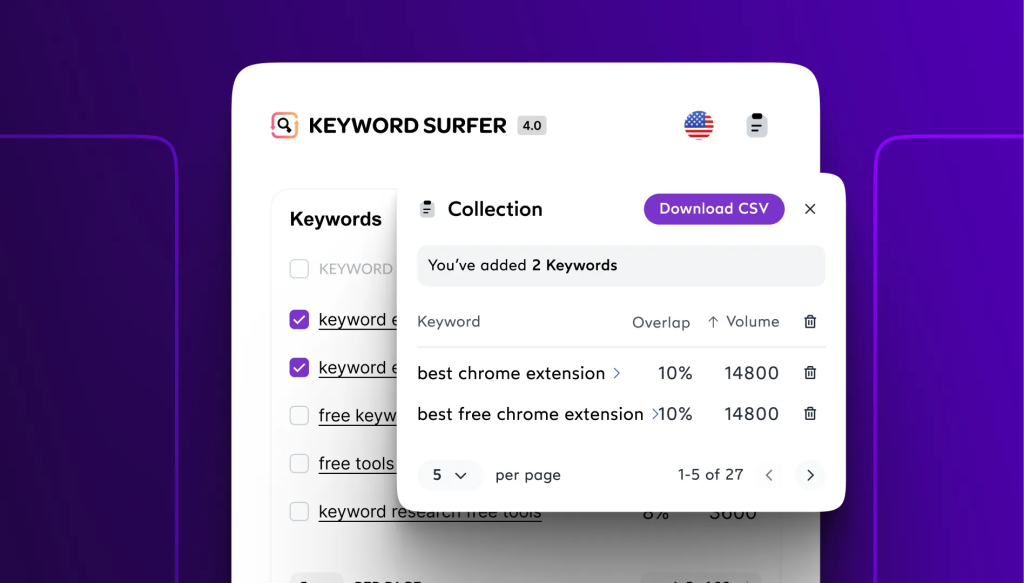
Why it can beat Frase: Surfer tends to appeal to teams who want optimization to be the main event—especially when you’re producing a high volume of search-driven pages and want consistent, editor-driven QA.
Trade-offs: prescriptive tools can encourage “writing to the meter” if your editorial standards aren’t strong. The tool is a compass, not the destination.
If this is your main comparison, use the decision-first breakdown: Frase vs Surfer SEO for real content workflows.
2) Clearscope (best for teams paying for editorial precision)
Pick Clearscope if: your team needs consistency at scale and you’re willing to pay more for a premium optimization experience that suits brand-level content operations.
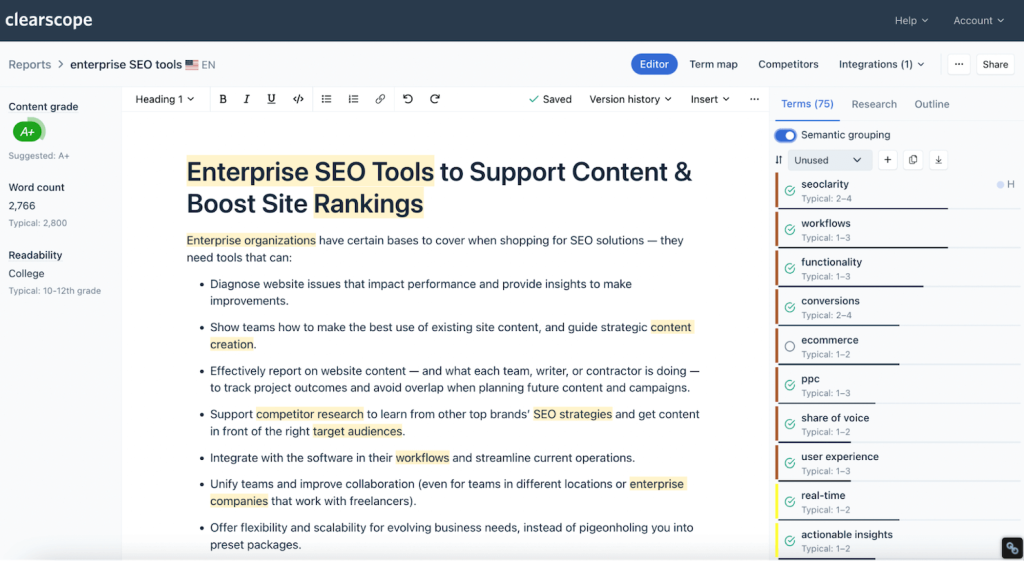
Why it can beat Frase: for some editorial teams, the “precision” and consistency of the optimization workflow matters more than having an all-in-one brief + editor tool. Clearscope is often chosen when content quality and standardization is non-negotiable.
Trade-offs: the budget is higher, so you want a mature process to extract value. Paying more doesn’t help if your bottleneck is actually strategy clarity or editing discipline.
For the value vs specialization angle, see: Frase vs Clearscope: better value or better precision?
3) MarketMuse (best for deeper strategy and mature content ops)
Pick MarketMuse if: you’re not just optimizing individual pages—you’re thinking in topic clusters, content gaps, prioritization, and long-term coverage depth, and you have the team maturity to use a more “strategic” tool well.

Why it can beat Frase: MarketMuse is often considered when you want more than SERP mirroring—you want systematic planning and deeper strategic support.
Trade-offs: it can be overkill for small teams that mainly need faster briefs and cleaner on-page optimization. Complexity is a cost.
If you’re a small team deciding whether this is overkill, read: Frase vs MarketMuse: which makes more sense for small teams?
4) Writesonic (best for drafting-first speed)
Pick Writesonic if: your biggest bottleneck is simply getting first drafts produced quickly (ads, landing pages, blog drafts), and you’re willing to invest editorial time to shape and verify the output.
Why it can beat Frase: drafting-first tools are built to produce text quickly in different formats. If your main need is speed, a drafting-first product often feels more direct than a research/brief/optimization platform.
Trade-offs: speed can create a hidden cost: editing, fact-checking, and de-duplication. If you don’t have a strong editorial pass, drafting-first can quietly produce “fine-sounding” content that doesn’t earn trust.
For the role-based comparison, see: Frase vs Writesonic: better SEO workflow or faster drafting?
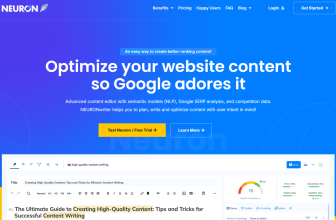
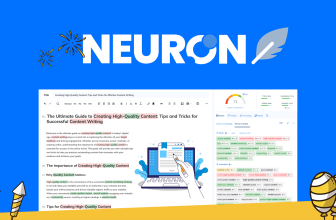
5) NeuronWriter (best budget-friendly alternative for optimization)
Pick NeuronWriter if: you want a lighter-weight, more budget-friendly content optimization tool and you don’t need a full workflow platform.
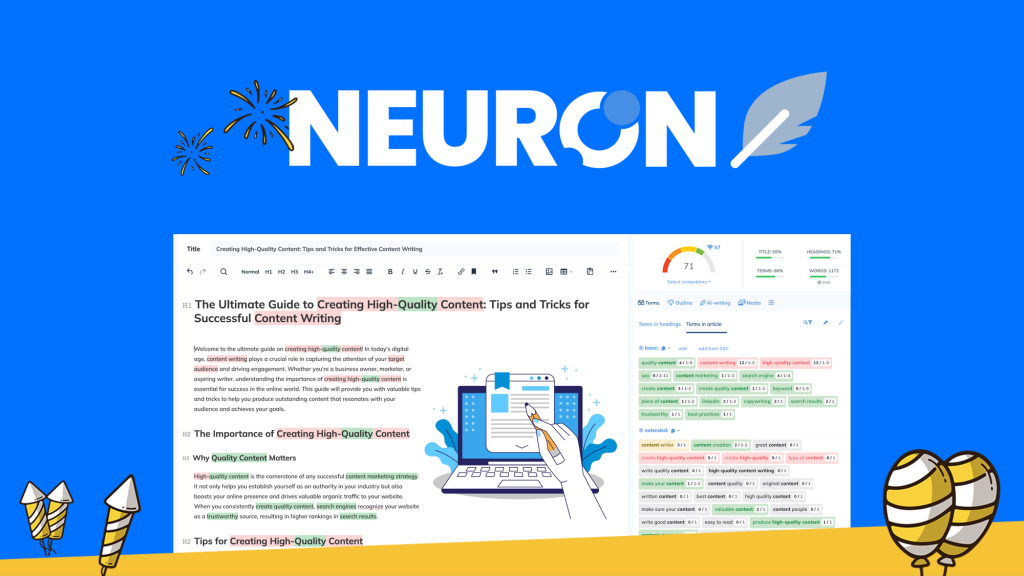
Why it can beat Frase: price-to-value can be strong for solo creators who mainly want optimization guidance and are comfortable doing SERP research and briefing elsewhere.
Trade-offs: budget tools can vary in depth, guidance quality, and how well the workflow matches your team. If you’re running a multi-writer operation, “cheap” can become expensive if it increases rewrites.
6) Content Harmony (best for brief creation and structured content workflows)
Pick Content Harmony if: briefs are your main product (freelancer/agency) or your main bottleneck (in-house), and you want a tool that leans hard into briefing and workflow support.
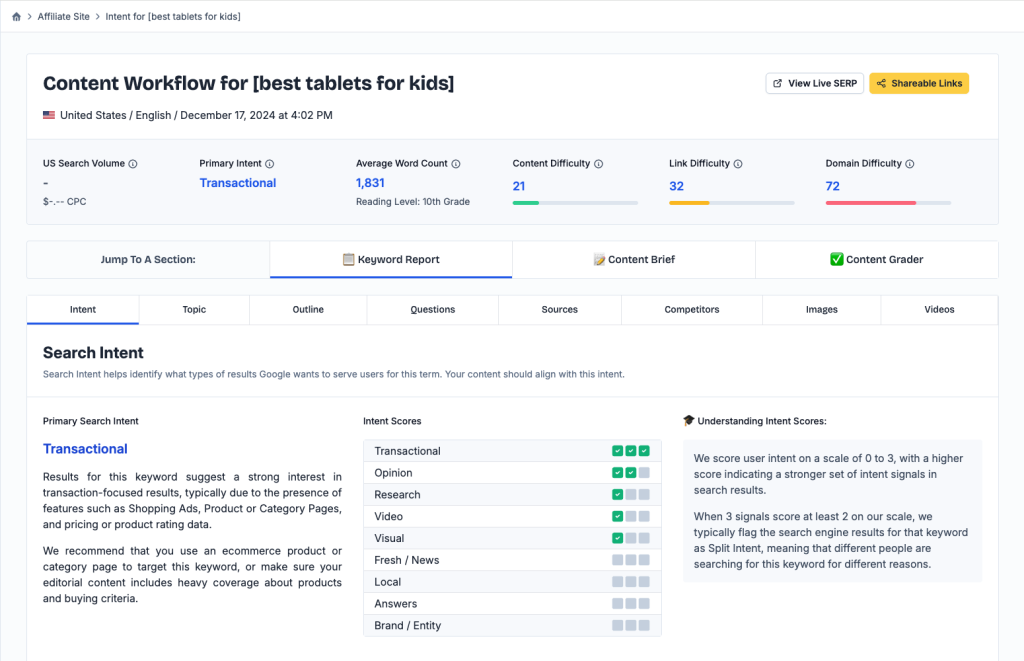
Why it can beat Frase: if the real value for you is producing clear, writer-ready briefs at scale, a brief-centric platform can feel more purpose-built.
Trade-offs: you may still want a separate optimization tool depending on your QA and editing needs.
7) Semrush (best if you want a broader SEO suite with writing support)
Pick Semrush if: you already rely on a full SEO suite for keyword research, competitor tracking, site audits, and reporting—and you want writing/optimization features to live inside the same ecosystem.
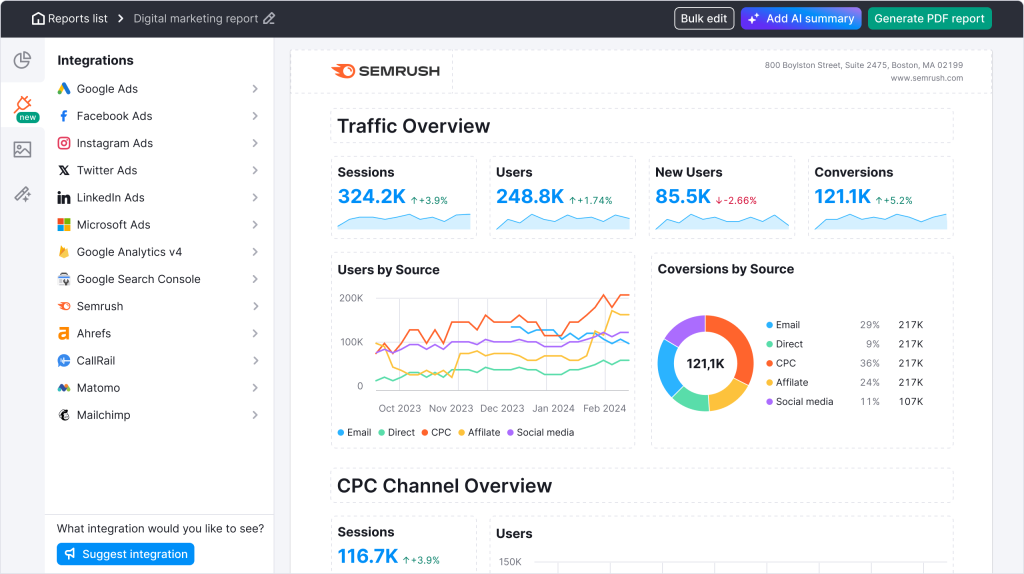
Why it can beat Frase: consolidation. Some teams don’t want another standalone tool if the suite they already pay for can cover enough of the workflow.
Trade-offs: suite tools can be “good enough” across many features, but not always best-in-class for the writing/briefing experience.
The decision that actually matters: what job are you hiring the tool to do?
A lot of comparisons fail because they treat these tools as interchangeable. They’re not. Here’s a cleaner way to choose:
| Your main bottleneck | Tool category to prioritize | Examples |
|---|---|---|
| Research + briefing takes too long | Briefing / workflow platform | Frase, Content Harmony |
| Editing + optimization QA is inconsistent | Optimization-first editor | Surfer SEO, Clearscope |
| Topic strategy + content planning is the gap | Strategy / planning depth | MarketMuse |
| I just need first drafts fast | Drafting-first AI tool | Writesonic |
| I want fewer tools overall | SEO suite with writing support | Semrush |
The expectation shift is simple: you’re not choosing “the best tool.” You’re choosing the tool that removes your bottleneck without creating a new one.
When you should still choose Frase
This is the part most alternatives pages dodge. Let’s not.
You should still choose Frase if your workflow looks like this:
- You publish consistently and want a repeatable process from SERP research to brief to optimized draft.
- You want one platform that covers briefing + optimization without assembling a stack of separate tools.
- You care about structure, completeness, and reducing “blank page” time more than chasing a perfect optimization score.
- You refresh older content and want a systematic way to identify gaps and update opportunities.
If you want the full context on strengths, limits, and value logic, see the flagship evaluation: Frase review: is it worth it for SEO content teams?
How to compare alternatives without losing a week
If you’re shortlisting, don’t trial seven tools. Trial two (maybe three) with a tight test plan:
- Pick one real keyword you plan to publish this month.
- Build a brief + outline and evaluate clarity (not just volume of suggestions).
- Draft one section and see how the editor experience affects speed and quality.
- Run an update on an older page if refreshes are part of your strategy.
- Decide what the tool replaces (or accept it’s additive cost).
Here’s the candid caution: if you don’t decide what tool the new tool replaces, you’re not “optimizing”—you’re just accumulating subscriptions.
Frequently Asked Questions
What’s the closest alternative to Frase?
“Closest” depends on what you mean. If you mean an SEO writing/optimization editor, Surfer is often the most direct comparison. If you mean premium editorial optimization, Clearscope is the usual benchmark. If you mean deeper strategy, MarketMuse is the other end of the spectrum.
Do I need both a drafting tool and an optimization tool?
Sometimes—but only if you have the editorial capacity to manage the output quality. Pairing can work when drafting speed is your bottleneck and optimization/QA is separate. If your bottleneck is editing bandwidth, adding more drafts can make life worse.
Are “tools like Frase” necessary for SEO in 2026?
No. They’re accelerators. If you have a strong editorial process and you publish at volume, they can be worth it. If you publish occasionally, the best “tool” is often a clearer brief and a tighter editing checklist.
Next step
If your shortlist is down to “Frase or Surfer,” don’t guess based on feature lists. Compare the workflow and choose the one your team will actually use.